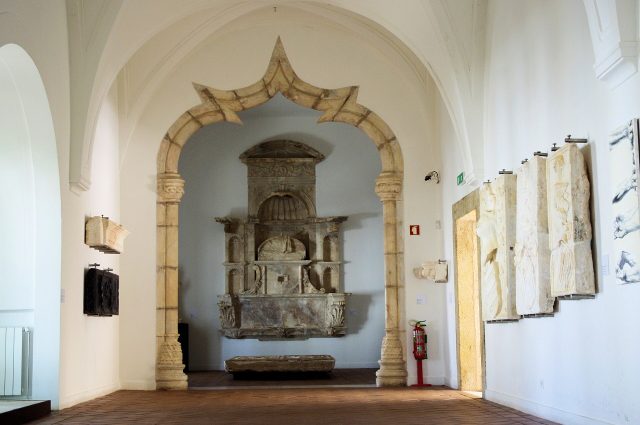
Évora University is one of those rare places where history lingers in the air, where the weight of centuries feels almost tangible. Founded in the mid-16th century, it was Portugal’s second university after Coimbra, established at a time when the country stood at the forefront of global exploration and cultural flourishing. The institution quickly became a hub for scholars, scientists, and artists whose ideas would shape the intellectual landscape of Europe. Its walls, worn smooth by time, still echo with the debates and discoveries of those who once walked its halls.
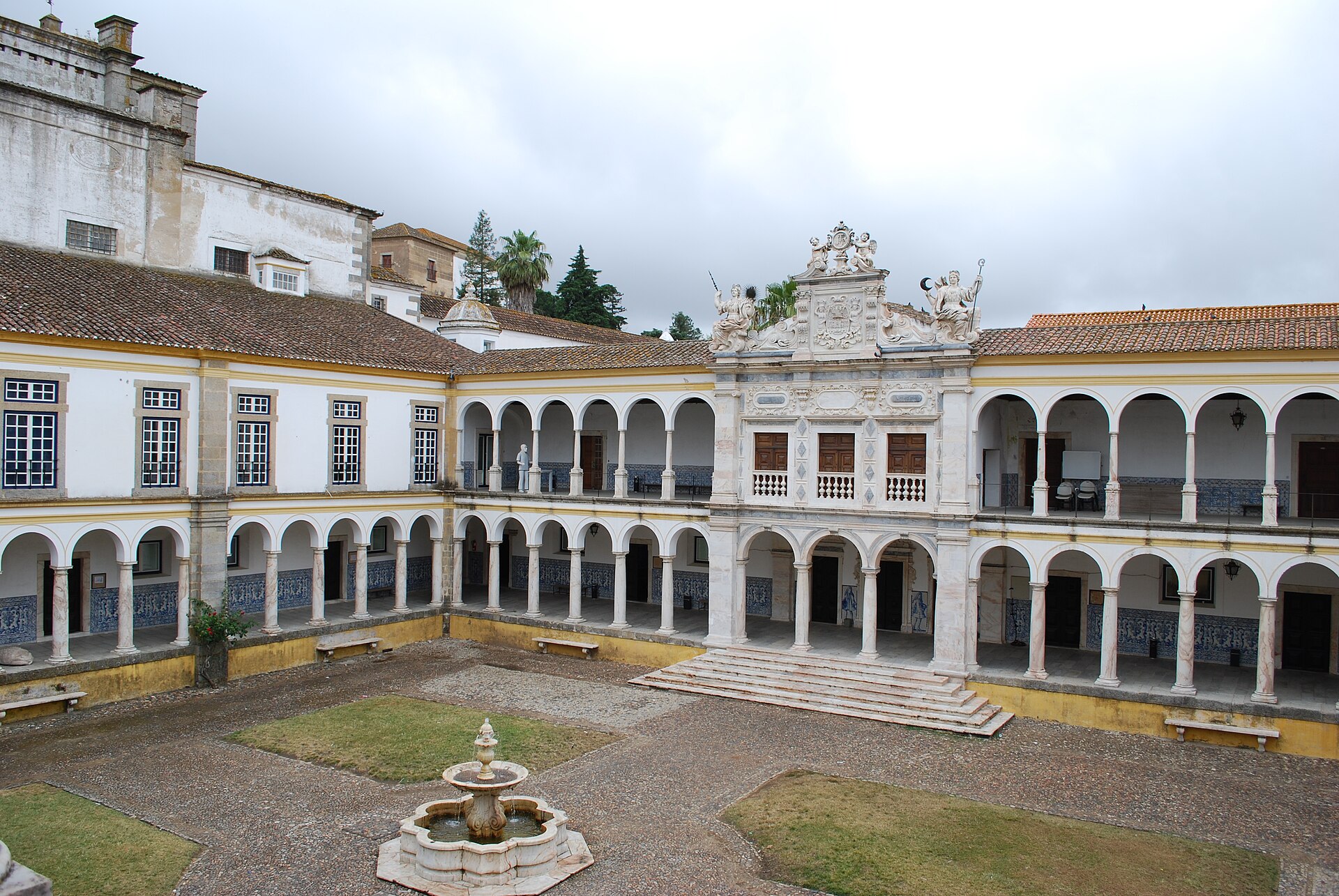
The architecture of the university tells its own story, a blend of styles that reflect the shifting priorities of the eras it has witnessed. The main building, designed in the mannerist style, carries the restrained elegance of the Counter-Reformation, when the Church sought to assert its influence through education. Its clean lines and understated ornamentation contrast with the more ornate baroque elements found elsewhere in Évora, yet the overall effect is one of quiet dignity. The inner courtyard, with its arched walkways and central fountain, evokes the monastic traditions that once shaped academic life in Portugal. The classrooms, many of which remain largely unchanged, offer a glimpse into the past—wooden benches, high ceilings, and the faint scent of aged paper all contribute to an atmosphere that feels suspended in time.
Among the university’s most striking features is its library, a vast room with towering bookshelves that house rare manuscripts and early printed works from the 16th to 18th centuries. The collection is a testament to the institution’s long-standing role as a guardian of knowledge, though much of it remains accessible only to researchers. Nearby, the former refectory, now repurposed as a lecture hall, still bears the marks of its original function—long tables, a pulpit-like dais, and the occasional faded mural hinting at its monastic origins. These spaces are not just relics; they are living parts of the university’s daily life, where students and professors move through the same corridors as their predecessors did centuries ago.
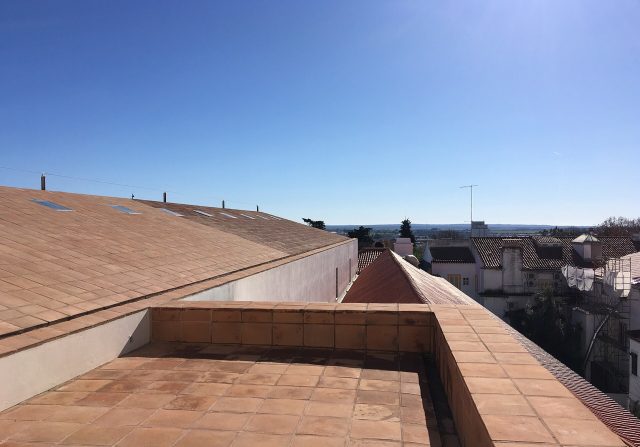
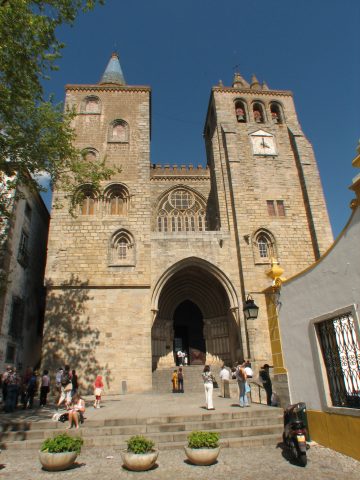
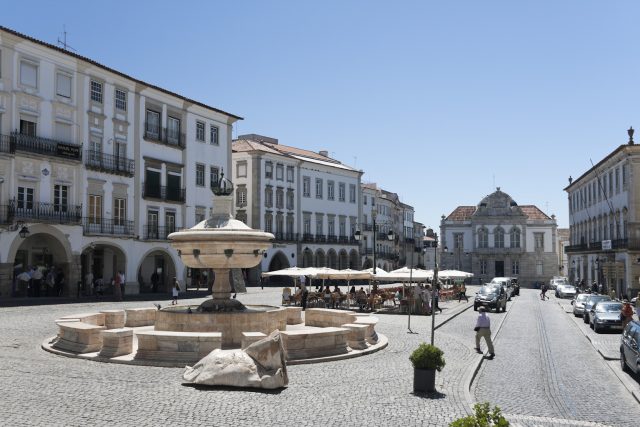
Évora itself is a city that seems designed to complement the university’s scholarly atmosphere. A UNESCO World Heritage site, it is a place where layers of history are visible at every turn—Roman ruins stand beside medieval churches, while whitewashed houses with terracotta roofs line narrow streets that have remained largely unchanged for centuries. The university is woven into this fabric, its buildings blending seamlessly with the city’s architectural rhythm. The relationship between the two is symbiotic; Évora’s intellectual life has long been shaped by the presence of the university, while the institution draws much of its character from the city’s rich past.
Over the centuries, the university has weathered periods of both prosperity and decline. In the 17th century, it was home to João Baptista Lobo, a mathematician and astronomer whose work contributed to Portugal’s scientific reputation. By the 18th century, the institution had become a stronghold of Jesuit education, only to face closure in 1759 when the order was expelled from the country. It remained dormant for nearly two centuries before being revived in the 20th century, a decision that restored Évora’s status as an academic center. Today, the university is once again a vital part of the city’s cultural life, hosting conferences, exhibitions, and public lectures that attract visitors from around the world.
One of the most compelling aspects of the university is its ability to bridge the past and present. While modern facilities have been added over the years, they have been designed with sensitivity to the historic surroundings. The newer buildings, though contemporary in function, do not clash with the older structures but rather extend the narrative of the place. Even the university’s role has evolved—it is no longer just a seat of learning but also a venue for public engagement, where the boundaries between academia and the wider community blur. During open days or cultural festivals, the normally quiet courtyards come alive with activity, offering outsiders a chance to experience the university’s unique atmosphere.
A visit to Évora University is, in many ways, a journey through time. The frescoes in one of the lecture halls depict ancient philosophers and scholars, their painted gazes seeming to follow visitors as they move through the room. Nearby, a collection of antique astronomical instruments serves as a reminder of the university’s early scientific pursuits. These artifacts are not merely displayed for show; they are part of an ongoing dialogue between the past and the present, between the ideas that shaped the institution and those that continue to emerge from it.
What makes the university truly special, however, is not just its history or its architecture, but the way it remains a living, breathing part of Évora. The students who study here, the professors who teach, and the visitors who wander its halls all become temporary custodians of its legacy. The city and the university are inseparable—one would not be the same without the other. Together, they offer a perspective on Portugal that goes beyond its reputation as a land of sun and sea, revealing a country deeply rooted in intellectual curiosity and cultural depth. For those who take the time to explore it, Évora University is more than a monument; it is a place where the past is not just remembered but actively experienced.