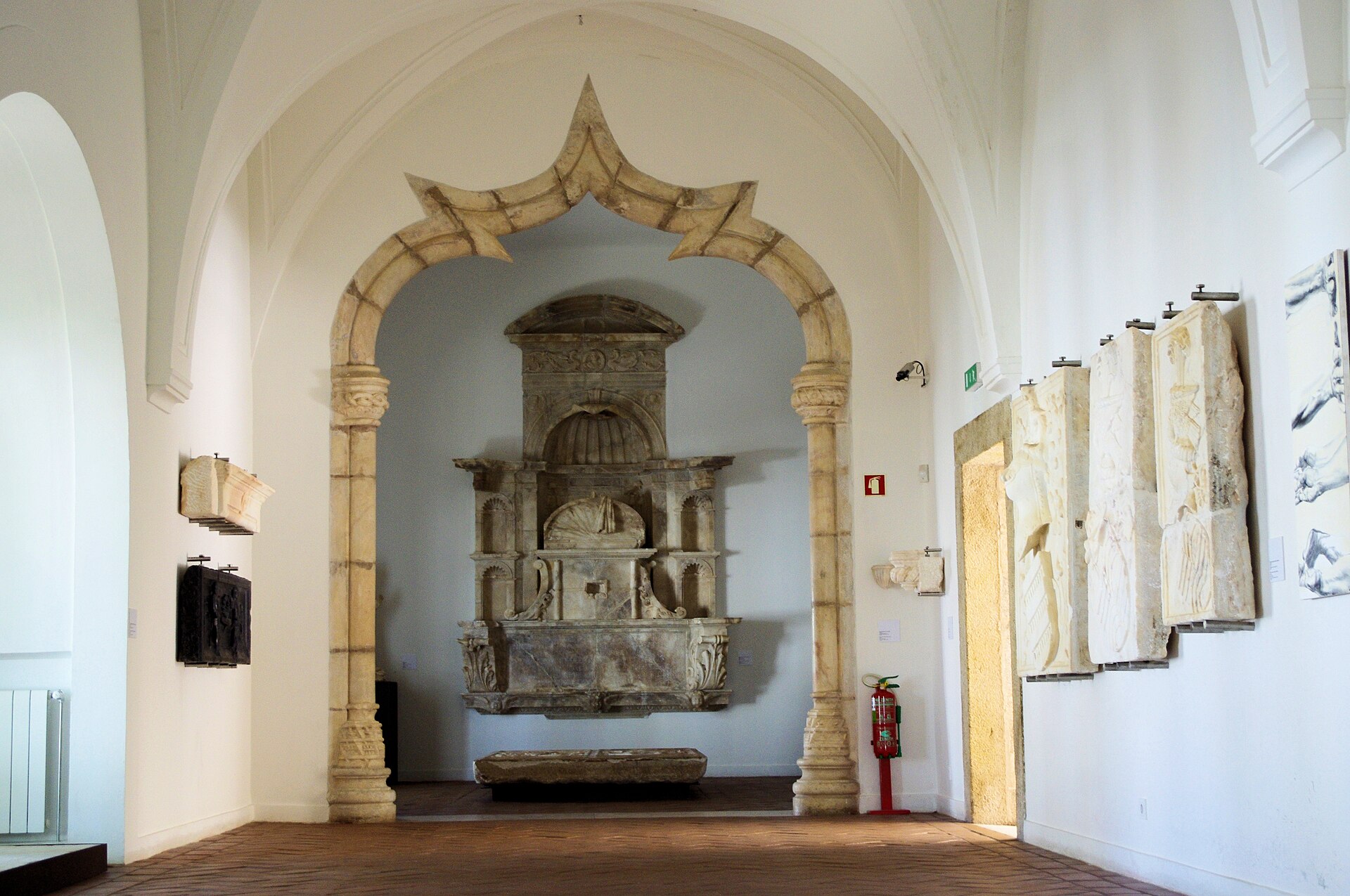
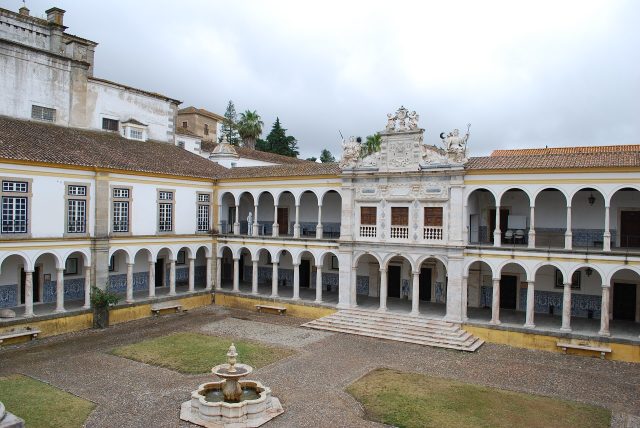
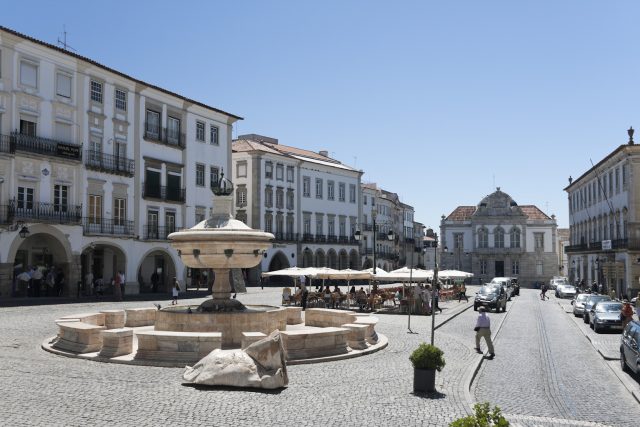
Évora Museum is the kind of place where history doesn’t just sit behind glass—it seeps through the walls. Housed in what was once the bishop’s palace, the building itself is a quiet witness to centuries of change. Construction began in the 1500s, and over time, its architecture absorbed the influences of different eras: the intricate stonework of the Manueline style, the balanced proportions of the Renaissance, and the ornate flourishes of the Baroque. Thick walls, vaulted ceilings, and heavy wooden doors give the rooms a sense of timelessness. Walking through them, it’s easy to imagine the generations who once moved through these same halls, their voices echoing under the same arches.
The museum’s collection spans millennia, but its heart lies in the stories of Évora and the Alentejo region. Roman mosaics, uncovered in local excavations, hint at the city’s ancient past, while medieval religious artifacts speak to its later role as a center of faith. One of the most striking displays is a set of 16th-century Flemish tapestries, their threads woven into intricate scenes of mythology and battle. Each piece feels like a frozen moment, rich in detail and craftsmanship, as if the weavers wanted to preserve something fleeting.
The archaeology hall offers a more intimate look at the past. Here, everyday objects—pottery, coins, jewelry—sit alongside sacred items and even fragments of ancient animals. The most compelling section focuses on the region’s megalithic monuments, a reminder that Évora’s surroundings are dotted with some of Europe’s most impressive dolmens and menhirs. The museum doesn’t just display these artifacts; it weaves them into a narrative, showing how the land has been shaped by human hands over thousands of years.
Art lovers will find plenty to admire in the painting and sculpture galleries. The works range from medieval religious panels to 19th-century canvases, with many by local artists who captured Évora’s changing face. On these walls, the city appears as a fortress of faith, a quiet provincial town, or a place caught between tradition and modernity. The sculptures, too, tell their own stories—some grand and imposing, others delicate, like the small wooden figures of saints and Madonnas, carved with a warmth that makes them feel almost alive.
What makes the museum special, though, is the way it preserves the spirit of the place. The building itself is part of the experience: faded frescoes still cling to the walls, remnants of the palace’s former grandeur, while an inner courtyard holds an orange grove said to date back to the 1600s. The trees, heavy with fruit, offer shade just as they did centuries ago, their scent lingering in the air. It’s these small details—the worn stone underfoot, the play of light through old windows—that make the past feel tangible.
Beyond its own walls, the museum extends its reach to other historic sites in Évora. One of the most notable is the Temple of Diana, a remarkably well-preserved Roman ruin that stands just a short walk away. Its columns rise above the city like silent sentinels, a direct link to Évora’s ancient roots. The museum often organizes visits to these places, offering a broader perspective on how the city has evolved over time.
Évora has always been a crossroads of cultures, and the museum reflects that diversity. It’s not just a repository of objects but a place where different eras and influences overlap. A visit here isn’t rushed; it’s a slow unraveling of layers, each room revealing something new. And if you’re lucky, in the quiet of the galleries, you might catch the faintest whisper of the past—a reminder that history isn’t just something we study, but something we walk through.