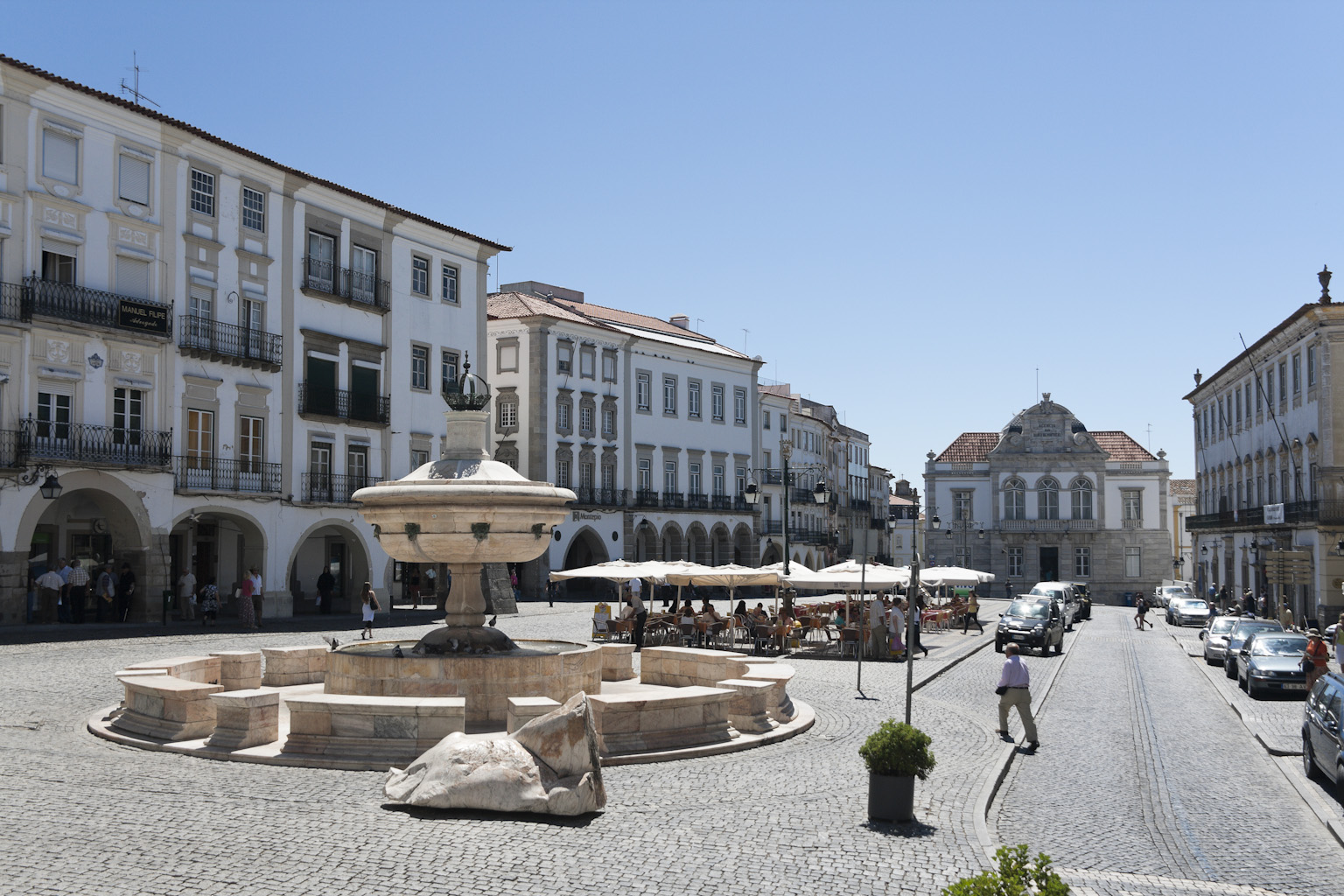
Gerald Square in Évora is one of those rare places where history isn’t just preserved in stone—it breathes, shifts, and feels alive with the rhythm of the city. Tucked into the heart of the old town, it’s the kind of spot you stumble upon after wandering through Évora’s narrow, winding streets. The square isn’t grand in size, but its modest dimensions give it an intimate, almost familial warmth, as if the city gathered its most cherished pieces here to keep them close.
The name pays homage to Gerald the Fearless, a 12th-century Portuguese knight who played a pivotal role in reclaiming Évora from Moorish rule. Yet the square itself took shape much later. In the Middle Ages, it was a bustling marketplace, and by the Renaissance, it had become the city’s social hub—a place where locals traded goods, shared news, and lingered over conversations. Today, it still serves that purpose, especially in the evenings when the terraces of cafés and restaurants fill with people, their laughter and chatter blending into the soft glow of streetlights.
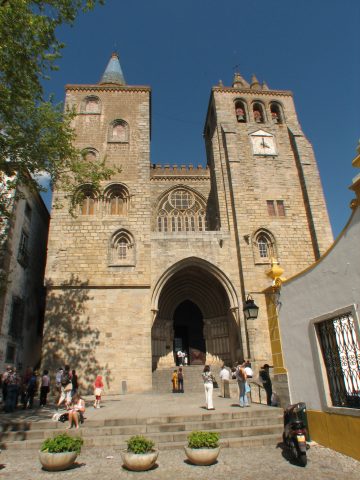
The architecture here reads like a timeline of Portuguese design. The most striking structure is the 16th-century town hall, its façade adorned with the city’s coat of arms and statues of saints. Inside, the building retains its old-world charm with wooden ceilings and intricately carved doors. Nearby stands the Church of Saint Anthony, a small but elegant 17th-century building with a whitewashed exterior and a bell tower that seems to hover above the square. Though less famous than Évora’s other churches, its quiet grace draws the eye.
At the center of the square sits a 19th-century fountain, modest in size but rich in detail. Carved from marble, it features figures representing Portugal’s rivers, and though it once provided water for households, today it’s more of a meeting point—a place where people arrange to gather under its arches. Around it, a small garden offers benches shaded by trees, perfect for watching the square’s daily life unfold.
Évora wears its history proudly, and Gerald Square is where that pride feels most tangible. Unlike the crowded tourist hotspots of bigger cities, this is a place for locals first—where friends meet, children play, and festivals take over the cobblestones. In December, a Christmas tree stands tall in the center, while summer brings open-air concerts and performances, turning the square into a stage for the whole city.
The square’s character shifts with the hours. Mornings are quiet, with students heading to the nearby university and workers hurrying past. By midday, the sun warms the pavement, cafés open their doors, and the first visitors settle onto terraces. But it’s in the evening that the square truly comes alive—lanterns cast a golden light, music spills from bars, and the scent of grilled sardines and fresh bread fills the air.
Look closely, and you’ll see that Gerald Square isn’t just a collection of buildings—it’s a living thing. Medieval walls stand beside 18th-century houses, while modern café signs blend seamlessly into the historic backdrop. Even the cobblestones tell a story, laid in Portugal’s signature patterned style, guiding the eye toward hidden corners and quiet nooks.
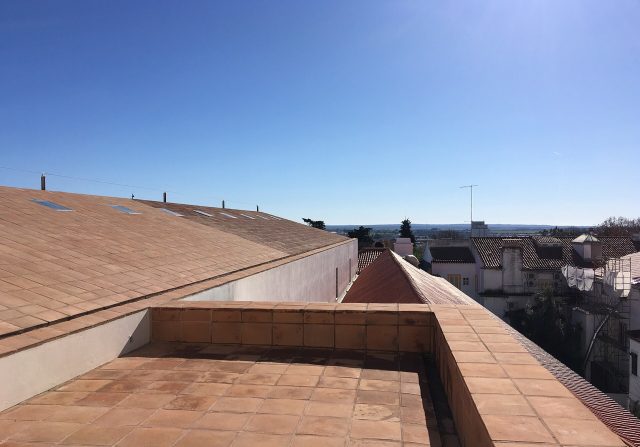
For many visitors, the square is the natural starting point for exploring Évora. From here, you can step into the town hall, climb to a viewpoint for a sweeping view of the city, or simply wander the surrounding streets, where every doorway seems to hold a secret. But even if you do nothing more than sit at a café with a coffee, you’ll feel the essence of Évora—a city that balances grandeur with warmth, where the past isn’t locked away but lived every day.
Gerald Square isn’t a museum. It’s a place where history isn’t frozen in time but flows through the present, inviting you to be part of it. Here, you don’t just learn about Évora’s past—you experience why it still matters. The city doesn’t need to dazzle with spectacle; its magic lies in moments like these, quiet but enduring, like the slow current of a river that has run through centuries.