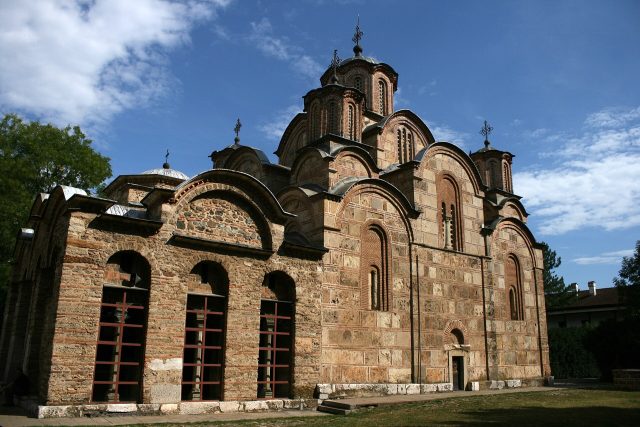
Ulpiana is one of those rare places where time seems to stand still, offering a quiet glimpse into an era when these lands were part of the vast Roman Empire. Tucked near the modern town of Gračanica in Kosovo, it was once a thriving city at the crossroads of Balkan trade routes. Today, little remains of its former grandeur—just scattered ruins—but even these fragments carry echoes of the lives, culture, and architecture that once defined this place.
Founded in the 2nd century AD under Emperor Marcus Ulpius Trajan, the city was named in his honor, reflecting its strategic importance. Ulpiana quickly grew into a bustling hub where merchants, artisans, and soldiers converged. Roman engineering left its mark here with well-planned streets, temples, baths, and residential quarters built to the empire’s high standards. Archaeological finds suggest it wasn’t just another provincial outpost but a key cultural and economic center in the region.
At the heart of Ulpiana lay its forum, the public square where daily life unfolded—deals were struck, laws debated, and festivals celebrated. Surrounding it were administrative buildings, temples, and colonnaded walkways, their foundations still visible today. Though only fragments of mosaics and stonework remain, they hint at the city’s former scale and elegance. What makes Ulpiana particularly fascinating is how Roman architects adapted their designs to the local landscape, blending imported styles with native materials.
No Roman city was complete without its baths, and Ulpiana’s were no exception. These weren’t just places for bathing but social hubs where people gathered to gossip, negotiate, or simply unwind. The ruins reveal the sophistication of Roman engineering: intricate heating systems, tiled floors, and aqueducts that supplied water. The hypocaust—a network of underground channels that circulated hot air—was a marvel of its time, keeping the baths warm even in winter.
Ulpiana flourished until late antiquity, when the decline of the Roman Empire and waves of invasions reshaped the Balkans. Earthquakes and shifting trade routes further eroded its significance, and by the Middle Ages, the city had faded into obscurity. It wasn’t until the 20th century that archaeologists began uncovering its secrets, revealing streets, homes, and workshops that had lain buried for centuries. Many of the artifacts found here now reside in Kosovo’s museums, offering tangible connections to the past.
Today, Ulpiana is an open-air archaeological site, a place where visitors can wander among the ruins and imagine the city as it once was. There are no crowds, no modern reconstructions—just the quiet presence of history. The stones, softened by time and overgrown with grass, seem to hold the memories of those who once walked these streets. Spring and autumn are especially atmospheric, when the light is gentle and the landscape adds a touch of melancholy beauty to the ancient remains.
For history enthusiasts, Ulpiana is a treasure. It offers a rare chance to see how Roman culture merged with local traditions, how architecture evolved over centuries, and how ordinary people—traders, craftsmen, farmers—lived their daily lives. Their stories aren’t written in grand narratives but in the small details: coins, pottery, jewelry, the remnants of homes and workshops. These everyday objects make the past feel tangible, almost within reach.
What makes Ulpiana special is its authenticity. There are no flashy exhibits or reconstructed facades, just the raw, unfiltered traces of history. It’s a place that invites reflection, where the absence of modern distractions allows the past to speak for itself. For those who travel not just to see but to understand, Ulpiana offers something far more valuable than spectacle—it offers a connection to the people who shaped this land long before us.