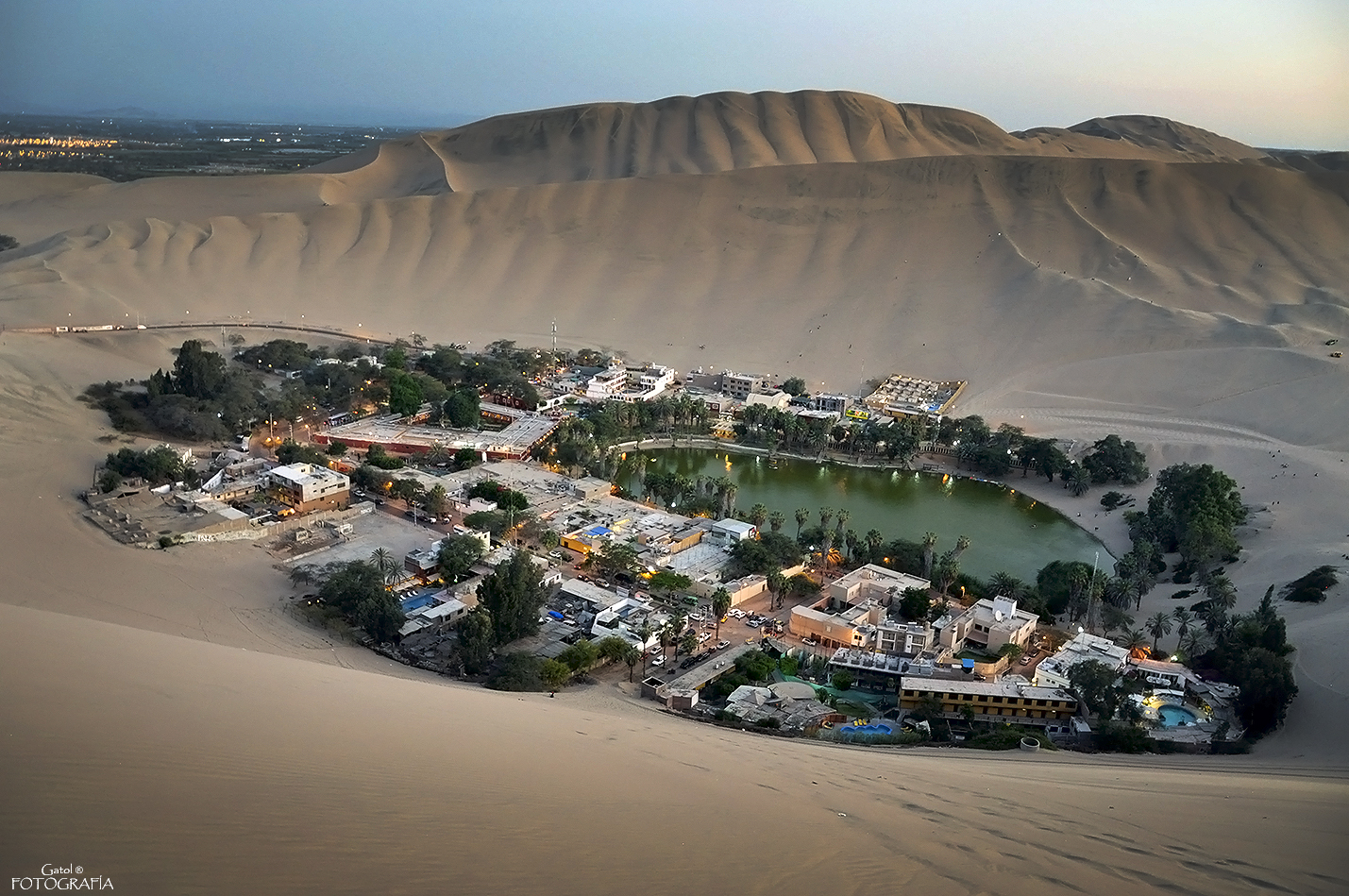
Huacachina feels like a place that shouldn’t exist—an unexpected splash of life in the middle of Peru’s arid desert. This small oasis, just a short distance from the city of Ica, is a cluster of palm trees and rustling reeds gathered around a shallow lagoon, all of it ringed by towering sand dunes that glow gold in the sunlight. There are no grand monuments here, no bustling markets or crowded plazas, just the quiet rhythm of wind over sand and the occasional laughter of visitors wading into the water. It’s the kind of place where time slows down, where the only urgency is deciding whether to nap under a palm or climb the nearest dune before sunset.
The story of Huacachina begins in the early 1900s, when it became a retreat for Peru’s wealthy elite. Back then, the lagoon was believed to have healing properties, a rumor that persists even now, though no one has ever proven it. By the 1920s, small hotels and restaurants had sprung up along the shore, catering to visitors who came to escape the heat and soak in the water. Some of the old buildings still stand, their whitewashed walls and red-tiled roofs a little worn by time but still charming. The most notable is the grand old hotel near the water’s edge, once a gathering spot for well-to-do travelers, now a quiet reminder of the oasis’s past as a fashionable getaway.
The architecture here is simple, almost unassuming, but it fits perfectly with the landscape. The buildings are low and spread out, their design borrowed from colonial-era styles—thick walls to keep out the heat, wooden balconies overlooking the water, and courtyards shaded by bougainvillea. There’s no grand design or monumental scale, just a handful of structures that feel like they’ve always been here, as if they grew out of the sand itself. Walking along the paths that circle the lagoon, you can see how the light changes throughout the day, turning the water from deep blue in the morning to a shimmering silver by afternoon.
The desert around Huacachina is a world of its own. The dunes rise like waves, some of them tall enough to block out the horizon, their slopes shifting with every gust of wind. During the day, the sand is hot underfoot, but by evening, it cools quickly, and the air takes on a crisp edge. The best way to experience it is to climb one of the higher dunes and just sit for a while, watching the shadows stretch longer as the sun sinks. For those who want more action, sandboarding is a popular pastime—riding down the steep faces of the dunes on a board, sometimes gracefully, sometimes not. There are also dune buggy tours, which race across the desert at breakneck speeds, kicking up clouds of dust and leaving behind a trail of adrenaline.
Huacachina isn’t a place you come to for history or culture in the traditional sense. There are no ancient ruins or grand museums, no famous battles or legendary figures tied to its name. Instead, it’s a place that exists almost outside of time, a pocket of stillness where the main attraction is the land itself. That said, it has become a symbol of Peru’s lesser-known beauty, a counterpoint to the more famous destinations like Machu Picchu or Cusco. Here, the crowds are smaller, the pace slower, and the experience more intimate. It’s the kind of place where you might strike up a conversation with a local vendor selling fresh fruit or find yourself sharing a bench with a group of Peruvian families enjoying a weekend picnic.
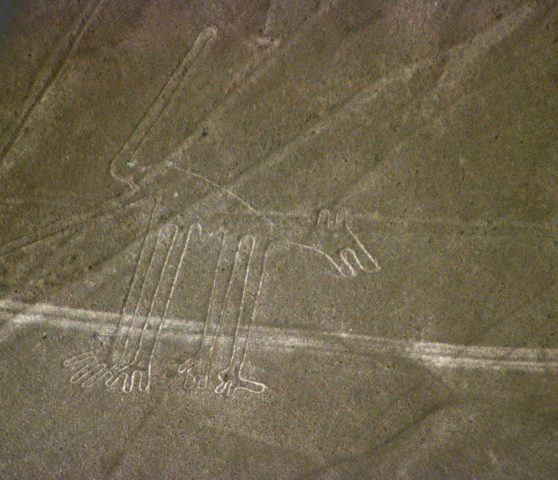
In recent years, Huacachina has found its way onto the itineraries of travelers exploring southern Peru, often paired with visits to Ica’s vineyards or the nearby Nazca Lines. But even as tourism has grown, the oasis has managed to retain its quiet charm. There’s no pressure to do anything in particular—no must-see sights or guided tours that demand your attention. You can spend an hour wandering the paths, a day climbing dunes, or an evening sitting by the water with a drink, watching the stars appear one by one. The lagoon itself is small, more of a pond than a lake, but it’s the heart of the place, the reason the oasis exists at all.
For those who want to stay overnight, there are a few small hotels and hostels scattered around the lagoon. The rooms are simple, often with balconies overlooking the water or the dunes, and the atmosphere is relaxed. Staying the night means you get to see Huacachina at its most peaceful—early in the morning, when the air is cool and the light is soft, or late at night, when the only sounds are the rustling of palm leaves and the distant hum of a passing car. Some visitors wake before dawn to climb a dune and watch the sunrise, when the desert is bathed in pale pink and the shadows are long and deep.
What makes Huacachina special isn’t any single thing—it’s the combination of elements that shouldn’t work together but somehow do. The water in the middle of the desert, the greenery surrounded by endless sand, the way the place feels both lively and serene at the same time. There’s a sense of impermanence here, as if the oasis could vanish with the next strong wind, and that only adds to its magic. It’s not a place that tries to impress you with grand gestures or polished experiences. Instead, it offers something quieter: a chance to step away from the noise of everyday life and simply be in a landscape that feels both ancient and timeless.
Most people leave Huacachina with the same thought—that it shouldn’t exist, but it does. That in a country known for its towering mountains and dense jungles, there’s also this small, improbable oasis where the desert meets the water, where the sand is soft underfoot and the air smells of earth and salt. It’s not a place you come to for answers or revelations, but for the simple pleasure of being somewhere that feels a little like the edge of the world. And maybe that’s enough.