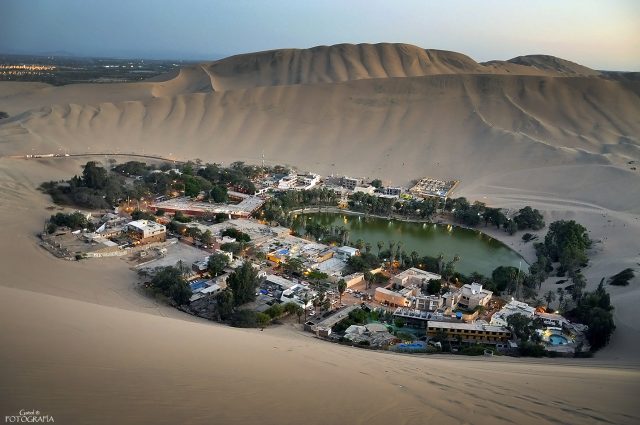
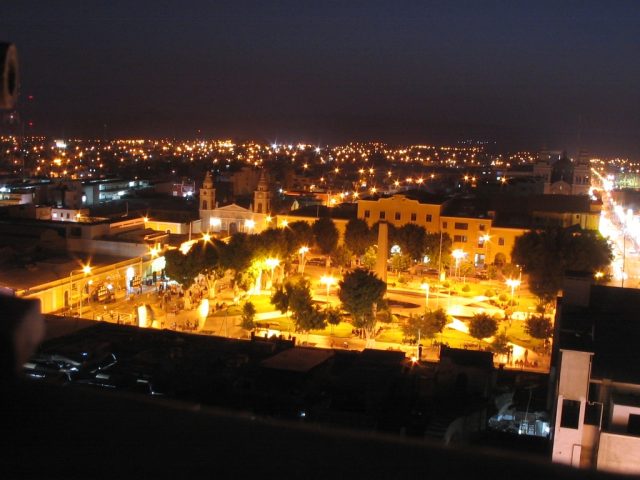
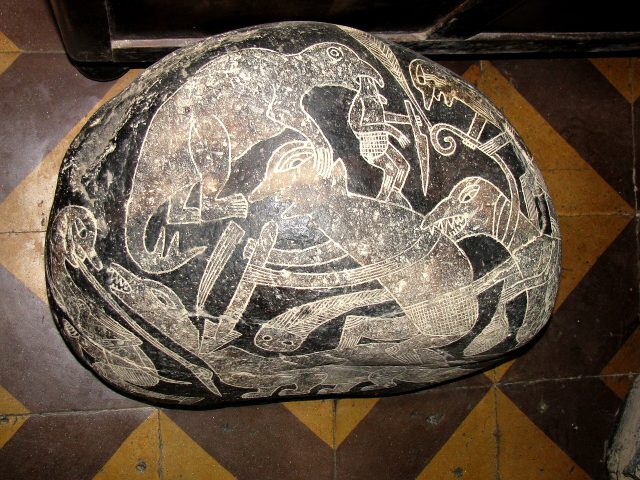
The Regional Museum of Ica is one of those rare places where Peru’s history feels alive—not as words on a page, but as objects once held by people who lived centuries or even millennia ago. Ica itself is a quiet city tucked between the Andes and the Pacific coast, far from the well-trodden paths of Cusco or Machu Picchu. Yet it’s here, in this desert valley, that you can step into the world of civilizations that thrived long before the Inca or the Spanish arrived. The museum’s collection may not be as vast as those in Lima, but that’s part of its charm. There are no crowds, no rushed glances—just the quiet hum of history in rooms with high ceilings and cool, still air.
The museum’s strength lies in its focus on the Ica region itself. Every artifact here was unearthed nearby, meaning each piece tells a story rooted in this land. Among the most striking exhibits are the Paracas mummies, wrapped in layers of intricately woven textiles. These fabrics, still vibrant after thousands of years, showcase a level of craftsmanship that feels almost otherworldly. The designs depict mythical creatures, deities, and scenes from daily life, offering a glimpse into a culture that flourished here before the Common Era. The Paracas people remain one of Peru’s great mysteries, and their art—whether in textiles, pottery, or tools—hints at a society both sophisticated and deeply spiritual.
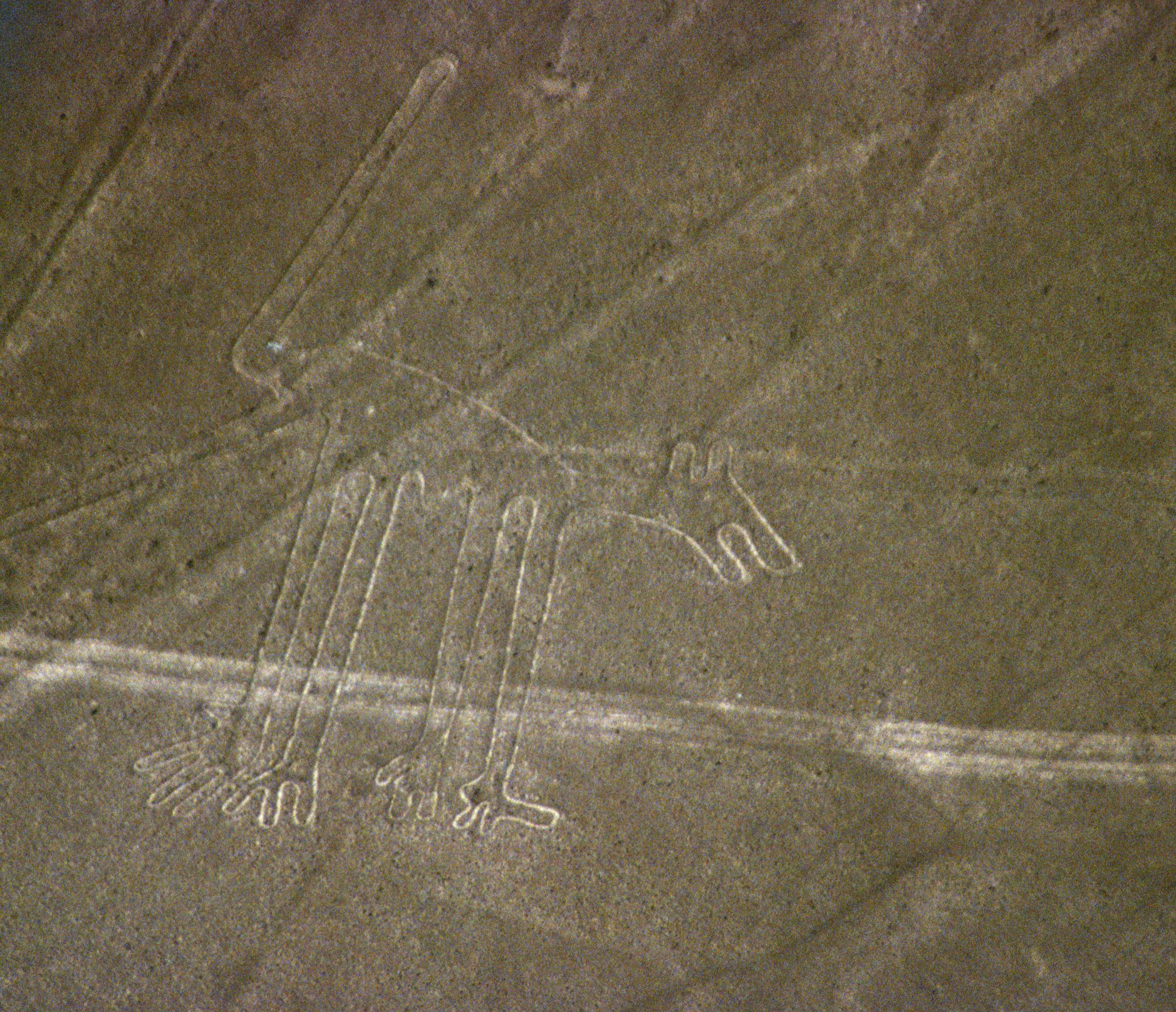
The Nazca culture, famous for its massive desert geoglyphs, also has a presence in the museum. While the Nazca Lines themselves lie a few hours away, the artifacts here were found in local settlements. The pottery is particularly striking, adorned with bold, dynamic patterns and mythological figures. Some pieces depict sea creatures, a curious choice for a desert-dwelling people—until you remember how vital the ocean was to their way of life. Alongside the ceramics, you’ll find weaving tools, weapons, and even mummified remains, all shedding light on Nazca burial practices and their beliefs about the afterlife.
The museum doesn’t stop at pre-Columbian history. There’s a section dedicated to the colonial era, when Ica became a key Spanish stronghold in southern Peru. Here, you’ll see everyday objects from the time—religious artifacts, household items, and documents that reveal how the city evolved under Spanish rule. One of the most fascinating displays is a collection of maps and engravings showing Ica’s transformation in the centuries after the conquest. The city was a crucial stop on the route from Lima to the highlands, and its colonial architecture still bears traces of that era. The museum also highlights the region’s long tradition of wine and pisco production, industries introduced by the Spanish in the 16th century and still thriving today.
A particularly compelling section is devoted to the Ica culture, a later pre-Columbian civilization that coexisted with the Inca. The Ica were master artisans, and their pottery stands out for its elegance and precision. The vessels are thin-walled and delicately painted with geometric patterns, while figurines of people and animals show a remarkable attention to detail. Many of these pieces were found in tombs, underscoring the importance of burial rituals in Ica society. Nearby, you’ll find musical instruments, gold and silver jewelry, and other objects that speak to a highly developed culture with complex social structures.
The museum itself is housed in a historic building that’s worth admiring on its own. This 18th-century colonial mansion features thick walls, wooden beams, and a central courtyard—classic elements of coastal Peruvian architecture. The high ceilings and large windows with wrought-iron grilles create a sense of openness, while the cool interior offers respite from the desert heat. Once a private residence, the building now exudes a quiet reverence for the past. There’s no rush here; you can wander the halls for hours, reading the straightforward descriptions and letting the artifacts speak for themselves.
What makes the Regional Museum of Ica special is its ability to show Peru beyond the usual narratives of Inca grandeur and Spanish conquest. It’s a place for those who want to understand the layers of history that came before—cultures that shaped this land in ways both subtle and profound. There are no blockbuster exhibits here, no famous names, but that’s precisely why a visit feels so intimate. Ica is a city where the past lingers, whether in the desert’s mysterious lines or in the hushed galleries of this museum. Each object, no matter how small, carries the weight of lives lived long ago, waiting to be discovered by those willing to look.