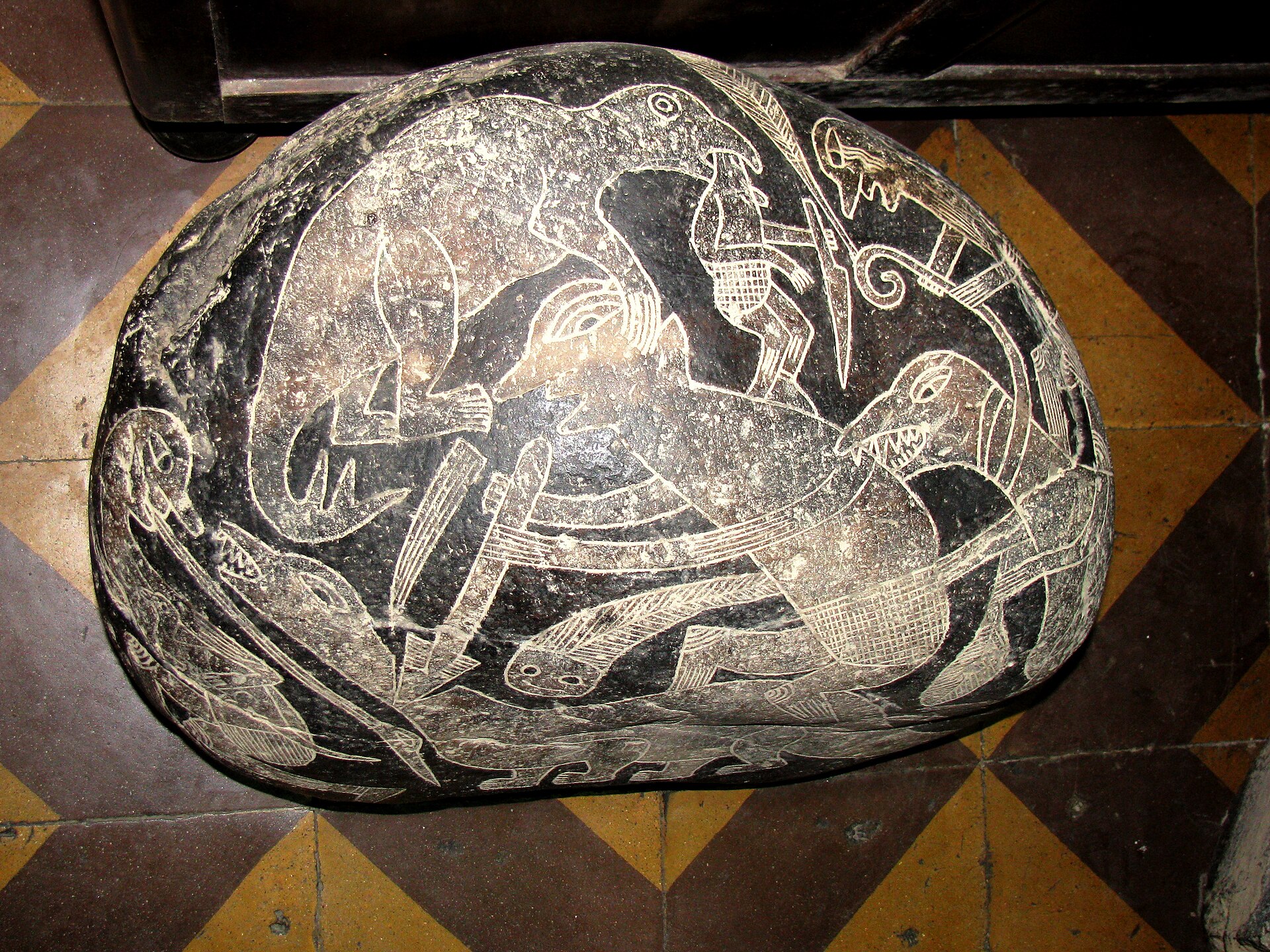
The Ica Stones Museum is one of those places that quietly challenges everything you thought you knew about history. Tucked away in the small Peruvian city of Ica, it houses a collection of engraved stones that seem to defy conventional timelines. The carvings depict scenes that feel strangely out of place—dinosaurs interacting with humans, intricate surgical procedures, astronomical observations, and even maps of long-lost continents. These images don’t just raise questions; they demand entirely new ones. That’s why the museum draws everyone from curious travelers to serious researchers, all searching for something that might not have an answer.
The story of these stones began in the mid-20th century when locals started uncovering them in the desert around Ica, particularly near the Rio Grande valley. The first person to bring them to wider attention was Dr. Javier Cabrera, a physician and collector who spent decades studying the artifacts. According to Cabrera, the stones were created by an ancient civilization with knowledge far beyond what modern science has rediscovered. Mainstream archaeology, however, remains skeptical, dismissing many of the stones as forgeries or elaborate hoaxes. Even if some of the pieces are questionable, the very idea of their existence lingers in the mind, refusing to be easily dismissed.
The museum’s collection includes thousands of stones, ranging from small palm-sized pieces to massive boulders weighing hundreds of pounds. The engravings are remarkably detailed—humans battling dinosaurs, using telescopes, even piloting primitive gliders. Some of the most striking images depict medical procedures that resemble modern heart surgeries or cesarean sections. If these carvings are to be believed, the people who made them possessed knowledge we associate with the last few centuries. Of course, interpreting these scenes is subjective, and visitors are left to draw their own conclusions.
The museum itself is housed in a modest, single-story building that feels more like a private home than a scientific institution. Inside, the atmosphere is one of quiet mystery. The stones are arranged on shelves, displayed in glass cases, or simply stacked in corners, as if they’ve just been unearthed. There are no interactive exhibits or audio guides—just the raw, unfiltered presence of the artifacts. The lighting is dim, the air carries the scent of dust and old things, and the lack of modern distractions makes it easier to focus on the stones themselves. You can pick them up, turn them over, and trace the lines with your fingers, trying to make sense of what you’re seeing.
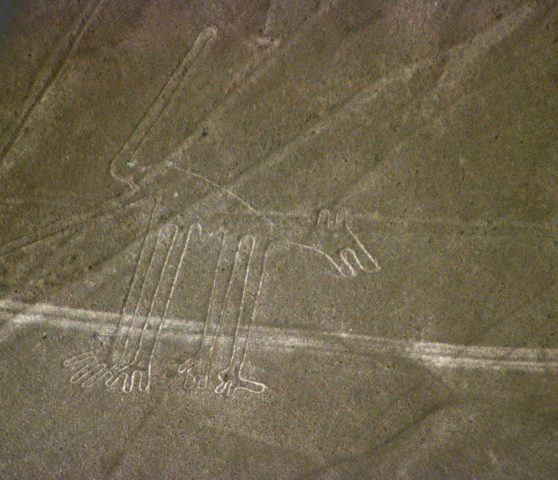
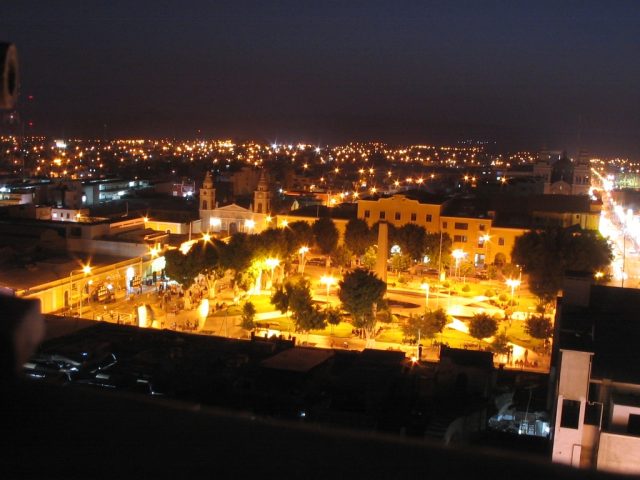
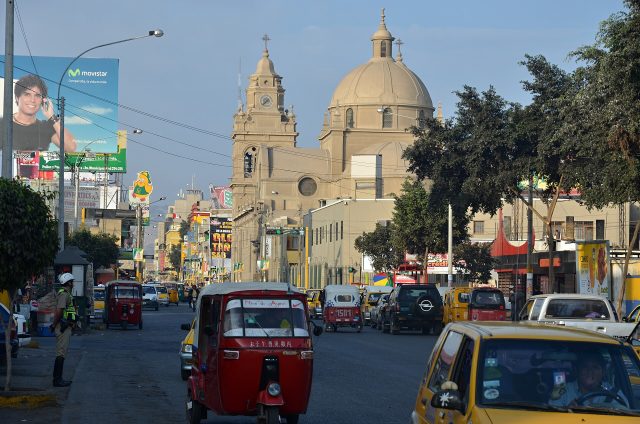
Ica, the city where the museum is located, is a quiet provincial hub in southern Peru, surrounded by desert and vineyards. The climate is hot and dry, and life moves at a slower pace than in Lima or Cusco. The region is best known for pisco, the national Peruvian spirit made from grapes grown in the local valleys. Nearby, the famous Huacachina dunes attract visitors for dune buggy rides and sandboarding, while the Nazca Lines—another of Peru’s great mysteries—lie just a short distance away. In this context, the Ica Stones Museum feels like another piece of an unsolved puzzle, one that doesn’t quite fit with the rest.
Skeptics argue that the stones are clever fakes, created either to attract tourists or to fool wealthy collectors. Some of the carvings do seem too fantastical, and the techniques used to create them appear suspiciously simple. Yet there are those who believe in their authenticity, pointing out that many stones were found in geological layers thousands of years old. The precision of the engravings also raises questions—replicating them without modern tools would be nearly impossible. The debate over their legitimacy remains unresolved, and perhaps that uncertainty is what makes the museum so compelling.
Visiting the Ica Stones Museum isn’t just a tour; it’s an exercise in speculation. There are no definitive answers here, only possibilities. Maybe ancient civilizations did possess knowledge we’ve since lost. Maybe these stones are nothing more than the product of human imagination. Either way, they force you to reconsider how little we truly know about the past. For some, the museum will be just another stop on a travel itinerary. For others, it might spark a deeper curiosity, a desire to dig further into history’s unanswered questions.
The museum doesn’t claim to be one of Peru’s must-see attractions, and that’s part of its charm. There are no crowds jostling for photos, no guides reciting rehearsed scripts. Instead, there’s silence, space to think, and the chance to stand face-to-face with a mystery. In a world where information is instantly accessible and every corner seems mapped, the Ica Stones Museum offers something rare—a reminder that some things remain unexplained. Whether or not you agree with Dr. Cabrera’s theories, the opportunity to touch something so enigmatic makes this place feel genuinely special.