San Francisco Church in Ica is one of those rare places that feels suspended in time, a quiet witness to centuries of change. Built in the 17th century, it stands on the city’s main square, its weathered walls bearing the marks of history—from Spanish conquest to the earthquakes that have repeatedly shaken the region. More than just a religious site, it’s a living piece of Ica’s past, where European architectural traditions blend with local craftsmanship in a way that feels both deliberate and inevitable.
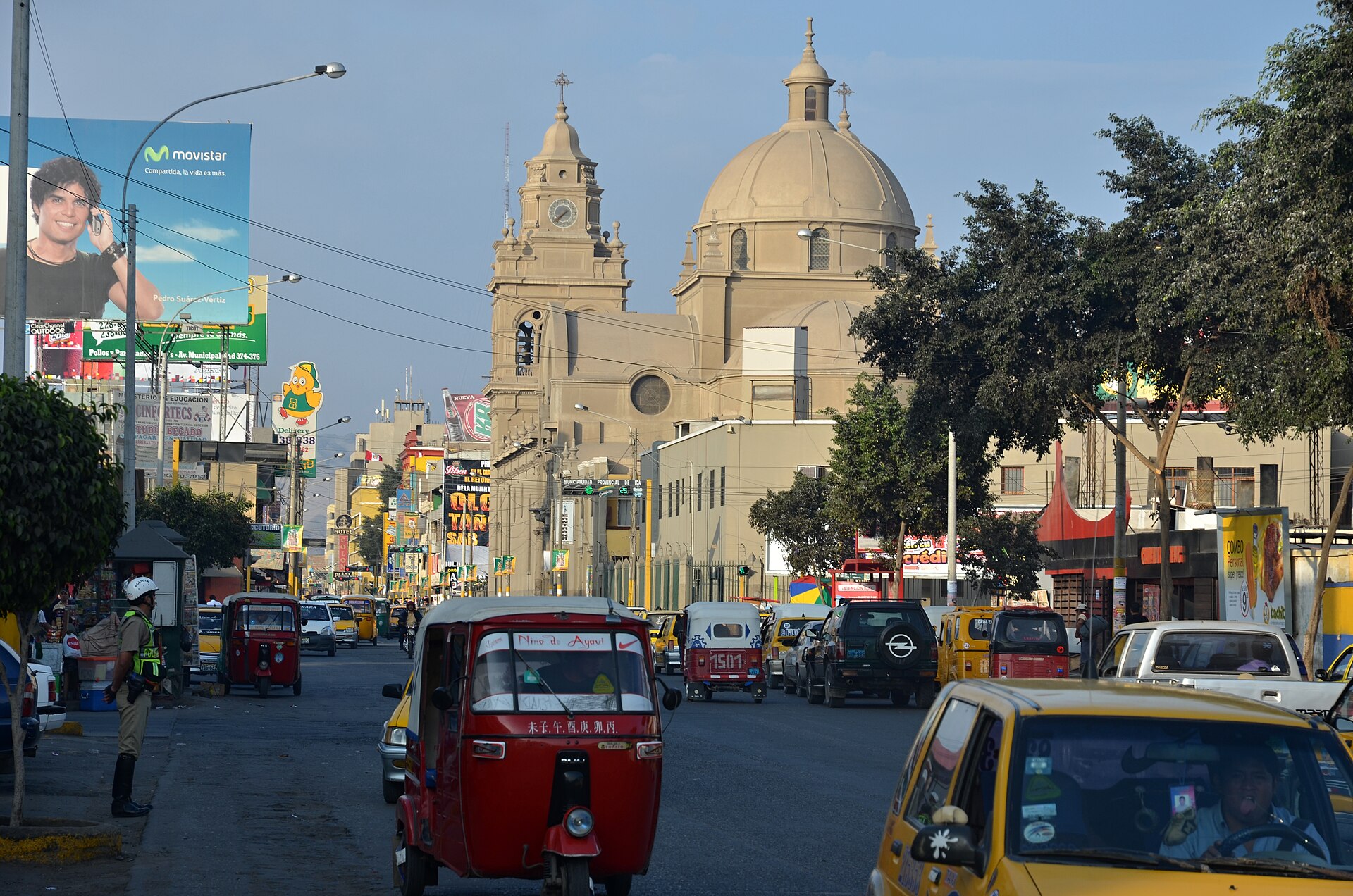
The church’s exterior is deceptively simple, its baroque facade stripped of the vibrant colors it once wore, leaving behind a muted elegance. The carvings, though faded by the desert sun, still hint at the grandeur of its early days. The bell tower, one of the few in Ica to survive the region’s frequent tremors, rises above the square like a steadfast sentinel. Inside, the contrast is striking: soaring vaulted ceilings and sturdy columns create a sense of space, while the darkened wooden beams overhead tell a story of endurance—of heat, rain, and the slow passage of time.
The altar is the heart of the church, a masterpiece of *retablo* craftsmanship—elaborate wooden carvings gilded in gold, a tradition brought by Spanish colonizers but refined by local artisans. Though less famous than the altars of Lima or Cusco, it holds its own, with intricate figures of saints and angels whose expressions seem to shift in the flickering candlelight. At its center stands Saint Francis of Assisi, the church’s patron, surrounded by a celestial court rendered with a mix of European technique and Peruvian sensibility.
This church has seen Ica through its most pivotal moments. In colonial times, it was more than a place of worship—it was a stage for public life. Royal decrees were announced from its steps, the city’s elite gathered within its walls, and during uprisings, it offered refuge. When Peru fought for independence in the 19th century, its halls echoed with the voices of both royalists and revolutionaries. Even in the 20th century, as earthquakes reduced parts of the city to rubble, the church remained largely untouched, as if defying the very forces that sought to erase it.
Today, San Francisco Church is still an active place of worship. On Sundays, the pews fill with parishioners, their voices rising in hymns that have been sung here for generations. On weekdays, the silence is broken only by the occasional visitor or the soft rustle of prayer books. The interior is uncluttered—wooden benches, a handful of religious paintings, the warm glow of candles before the altar. There’s no ostentation here, just a quiet dignity that makes the past feel tangible.
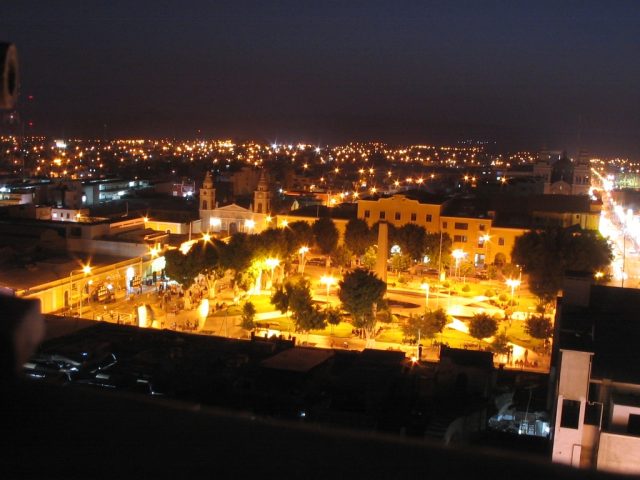
Beyond its doors, Plaza de Armas hums with daily life. In the mornings, vendors sell fresh produce; in the afternoons, families stroll beneath the trees; and by evening, locals gather to chat or simply unwind. The church is a constant in this scene, its bell tower a familiar landmark against the sky. It doesn’t demand attention, but its presence is felt—a reminder that Ica’s story is woven into the larger tapestry of Peru.
For those who appreciate architecture, San Francisco Church might not have the grandeur of Lima’s cathedrals or the dramatic stonework of Arequipa’s churches. But that’s precisely its charm. There’s no pretense here, just authenticity. Every beam, every worn step carries the weight of history—of the hands that built it, the people who prayed beneath its roof, and the earthquakes it has outlasted. It’s not a place for a quick snapshot; it’s a place to pause and reflect.
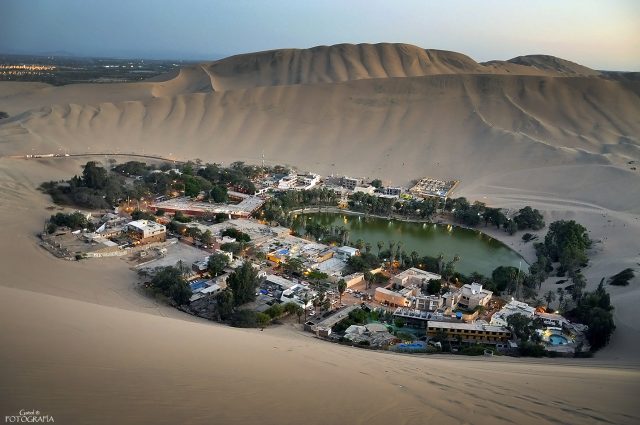
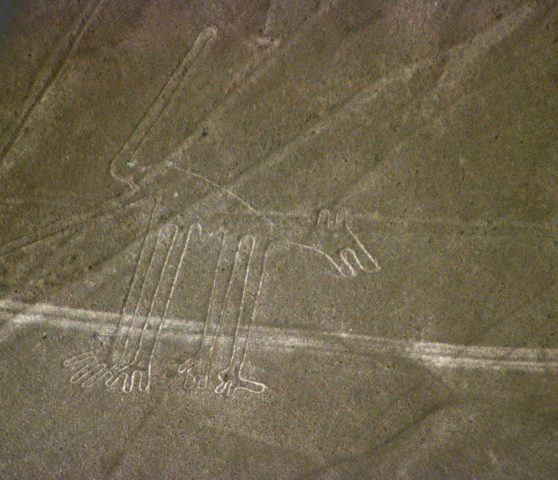
Ica is known for its vineyards, the vast Nazca Lines, and the stark beauty of its deserts. But the church offers something different—a quieter kind of beauty, one that doesn’t announce itself. In a world where everything seems designed to grab attention, places like this are rare. They don’t shout; they endure. And perhaps that’s why they’re worth seeking out.