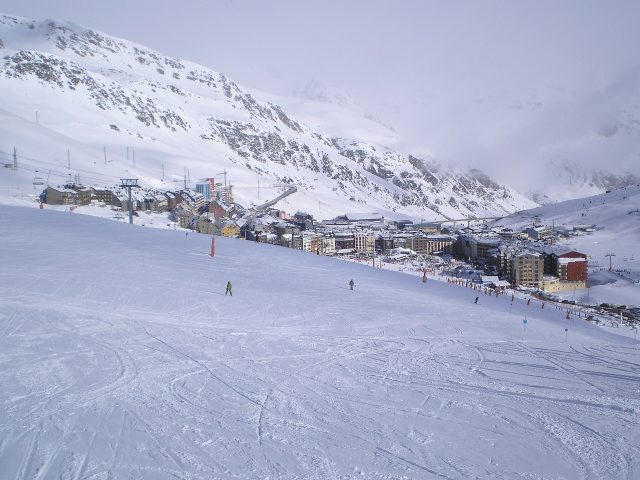
Soldeu is one of those places that exists in two realities at once. To most visitors, it’s the gateway to Grandvalira, the largest ski resort in the Pyrenees, a place of sleek gondolas, groomed slopes, and après-ski buzz. But step away from the lifts and the modern hotels, and you’ll find a village that has quietly endured for centuries, long before ski passes and snow cannons became part of its identity. Perched at around 1,800 meters, Soldeu was once a remote settlement where farmers and shepherds lived in rhythm with the mountains—cut off from the world for months when winter snow made the roads impassable. Today, it’s a curious blend of old and new, where the scent of pine and woodsmoke lingers in the air, and the first stars appear over the rooftops long before the valley below grows dark.
The tourist office in Soldeu isn’t just a place to pick up a trail map or buy a ski pass—it’s where the village reveals itself. Tucked near the heart of the settlement, just off the main street, it’s a quiet space that smells of fresh paper and the faint bitterness of machine coffee. The staff here know the resort like the back of their hands, not just the names of the lifts or the best groomed runs, but the hidden paths, the local haunts, and the small details that make Soldeu more than just a winter playground. They can tell you where to find the best *escudella*—a hearty mountain stew—or which trail leads to the clearest alpine lake. It’s the kind of place where a conversation can turn into an impromptu history lesson, where someone might mention the old smugglers’ routes that once crisscrossed these mountains or the fact that the village church has stood in the same spot since the 12th century.
Soldeu’s architecture is a quiet record of its transformation. The oldest houses, built from local stone with wooden balconies, sit alongside glass-fronted hotels and chalets that wouldn’t look out of place in a ski resort brochure. Some courtyards still have the low stone barns where cattle were once kept, a reminder that not so long ago, this was a place where people lived off the land. The Church of Sant Andreu, with its simple Romanesque facade and squat bell tower, is one of the few buildings that has survived almost unchanged since medieval times. Inside, the walls are no longer adorned with religious frescoes but with works by local artists, a nod to the village’s evolving identity. It’s a small detail, but one that hints at how Soldeu has adapted without entirely letting go of its past.
Of course, the real draw here is the mountains. Grandvalira, the vast ski domain that Soldeu is part of, stretches across multiple valleys, offering more than 200 kilometers of pistes. In winter, it’s a magnet for skiers and snowboarders from across Europe, while in summer, the slopes become a playground for hikers and mountain bikers. But you don’t have to be an adrenaline seeker to appreciate the landscape. The village itself is surrounded by trails that wind through forests and meadows, some leading to viewpoints where the Pyrenees unfold in every direction. There’s a particular kind of silence up here, broken only by the wind in the trees or the distant clatter of cowbells from herds grazing on the higher pastures. Even the food reflects the terrain—dishes like *trinxat*, a crispy potato and cabbage hash, or trout fresh from the mountain streams, taste like they’ve been cooked with the same ingredients for generations.
The atmosphere in Soldeu shifts with the seasons. Winter brings energy—laughter in multiple languages, the hiss of skis on snow, the hum of snowmobiles. By evening, the bars and restaurants fill with people unwinding after a day on the slopes, their faces flushed from the cold. Summer is quieter, the air warmer, the pace slower. The only sounds are the rustle of leaves, the occasional chime of a cowbell, and the murmur of hikers returning from the trails. Autumn is when the village feels most like itself, the mountains turning gold and russet, the air sharp and clear. It’s a time when Soldeu is almost empty, a rare chance to see it as it might have been decades ago, before the first ski lifts were built.
The tourist office is a good place to start if you want to dig deeper. They can point you toward the old smugglers’ paths that once connected Andorra to France and Spain, or tell you where to spot chamois and marmots in the surrounding forests. They might also warn you about the winters when the snow falls so heavily that the village is cut off for days, just as it was in the past. It’s easy to forget, amid the modern comforts of the resort, that this is still a place where nature dictates the rhythm of life. Even the festivals here hark back to older traditions—like the feast of Sant Andreu, when the streets fill with music, food stalls, and locals dressed in traditional clothing.
Soldeu is a place where the past and present coexist without much friction. The village still celebrates its agricultural roots, even as it caters to thousands of visitors each year. There’s a small museum that offers a glimpse into what life was like here a century ago, when families relied on livestock and subsistence farming. Yet just a short walk away, you’ll find spas, boutique shops, and restaurants serving everything from fondue to sushi. It’s this contrast that makes Soldeu interesting—not just another ski resort, but a village that has grown into its new role without losing its soul.
If you visit outside of peak season, you’ll see a different side of Soldeu. In the depths of winter, when the lifts are closed and the tourists have gone, the village can feel almost deserted. Many of the restaurants shut down, the streets are quiet, and the only movement comes from the occasional local running errands. But there’s a strange beauty in this stillness. You can wander the empty lanes, peer into the old stone houses, or sit on a bench and watch the snow settle on the peaks. In summer, when the snow has melted, Soldeu becomes a base for hikers and cyclists, a place where people come to explore the Pyrenees without the distractions of the ski season.
The tourist office, in its own way, embodies this duality. It’s a symbol of how Soldeu has changed—from a remote mountain village to a hub of international tourism—while still holding onto what makes it unique. The people who work there have seen the transformation firsthand, and they’ll tell you that despite the crowds and the development, the essence of the place remains. It’s still a village where you can feel the weight of history in the old stone walls, where the air is thin and clean, and where the mountains are never far from view. Whether you’ve come for the skiing, the hiking, or just the quiet, Soldeu has a way of surprising you. It’s not just a stop on a map—it’s a place that lingers in your memory long after you’ve left.