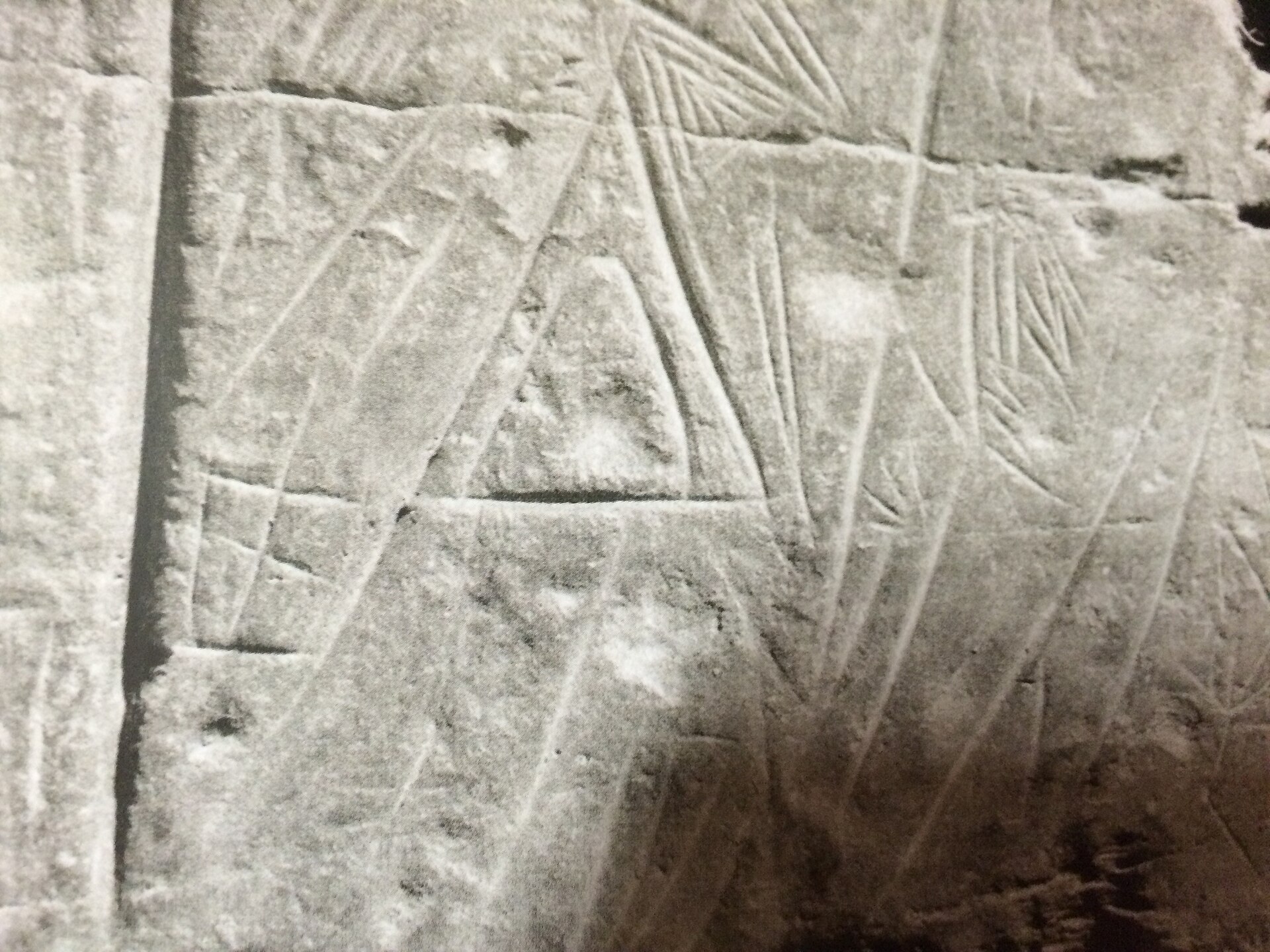
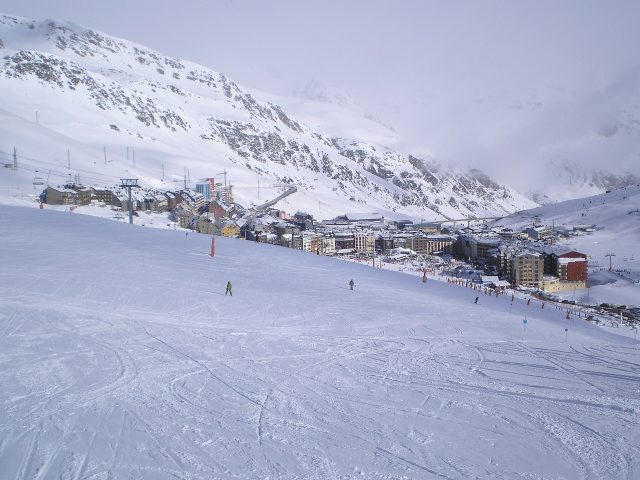
Perched above the village of Soldeu in Andorra’s Grandvalira region, Roc de les Bruixes is one of those rare places where the line between legend and landscape blurs. The name translates to Witches’ Rock, and the moment you hear it, the mind drifts to stories of women who once gathered here, their knowledge of herbs and healing both revered and feared in equal measure. The rock itself is unassuming—a jagged outcrop rising from the earth like a finger pointing toward the sky—but its presence carries weight. It’s not just a viewpoint; it’s a quiet witness to centuries of local belief, where the natural world and human imagination have long intertwined.
The walk up to Roc de les Bruixes is short but rewarding, a half-hour climb that begins near the road and winds through shifting scenery. The first stretch cuts through dense pine forests, their scent thick in the air, before opening onto sunlit slopes where the trees thin and the ground grows rocky. By the time you reach the top, the valley unfolds beneath you, a vast expanse of mountains stretching toward the Spanish Pyrenees. On clear days, the view feels endless, the peaks sharp against the horizon. In winter, the snow softens the edges of the landscape, while autumn turns the surrounding forests into a patchwork of gold and crimson. The path isn’t difficult, but it’s worth wearing sturdy shoes—loose stones and uneven ground make for a careful ascent.
At the summit, the rock forms a small, uneven platform, just enough space to stand and take in the panorama. There are no railings, no signs, nothing to mark it as a formal tourist spot—just the wind, the sky, and the occasional glint of something left behind. Visitors often leave small offerings here: coins pressed into crevices, ribbons tied to branches, or cairns of stacked stones. It’s an old tradition, one that predates the ski resorts and duty-free shops that now define much of Andorra. Whether these tokens were once left by women seeking protection or simply by travelers hoping to leave a trace of themselves, the custom persists, as if the rock itself demands some acknowledgment of its presence.
The legends surrounding Roc de les Bruixes are rooted in Andorra’s broader history, a place where isolation bred its own kind of folklore. In the Middle Ages, when the country was little more than a scattering of villages clinging to the mountains, women who knew the properties of plants—midwives, healers, those who could ease pain or predict the weather—were often viewed with suspicion. The Church’s influence was strong, and any knowledge outside its doctrine could be dangerous. It’s likely that the women who met here were not witches in the modern sense, but ordinary people whose skills made them outsiders. The rock, then, was a refuge, a place where they could gather beyond the watchful eyes of their neighbors.
Today, Andorra is better known for its ski slopes and tax-free shopping, but places like Roc de les Bruixes serve as a reminder of what came before. The country has always been a crossroads, a sliver of land caught between Spain and France, where languages, cultures, and beliefs have collided for centuries. The rock stands as a silent testament to that past, a fragment of a time when the mountains were not just a backdrop for tourism but a living, breathing part of daily life. There are no plaques here, no guided tours—just the quiet hum of the wind and the occasional rustle of a bird in the trees.
What makes Roc de les Bruixes special is its lack of pretense. Unlike the crowded viewpoints in more famous destinations, this one feels untouched, as if the modern world hasn’t quite reached it yet. The best times to visit are when the crowds are elsewhere—early morning, when mist still clings to the valley, or late afternoon, when the setting sun turns the peaks to gold. Each season paints the landscape differently: winter drapes the rock in snow, spring brings wildflowers to the slopes, summer fills the air with the resinous scent of pine, and autumn sets the forests ablaze with color. There’s no need to rush. The view doesn’t change quickly, and neither does the sense of stillness that settles over the place.
If you do come here, take a moment to sit on the rock and listen. The wind carries the sound of distant cowbells from the valley below, and the clouds drift lazily overhead, casting shifting shadows on the mountains. It’s easy to see why this place has inspired stories for generations. There’s something about it—an intangible quality that lingers long after you’ve left. Maybe it’s the isolation, or the way the rock seems to watch over the land like a sentinel. Or maybe it’s simply the knowledge that, centuries ago, others stood in this same spot, looking out at the same view, their lives shaped by the same mountains. Roc de les Bruixes isn’t just a viewpoint; it’s a connection to the past, one that feels as real as the stone beneath your feet.