Perched on a bluff overlooking the Gauja River, Turaida Castle feels like a silent guardian of centuries past. Its weathered red-brick walls, softened by creeping ivy and patches of moss, rise above the valley as if defying time itself. Built in the early 13th century by the Livonian Order, the fortress was more than just a military stronghold—it was the heart of a growing settlement, a place where power, faith, and daily life intersected. Though only ruins remain today, the castle still carries the weight of its history, especially from the top of its watchtower, where the winding river and surrounding forests stretch out in every direction.
The castle’s story is woven with legend, most famously that of the Rose of Turaida. In the 17th century, a young woman named Maija, known for her beauty, met a tragic end here, defending herself against an attacker. Her tale has become part of the land’s identity, lending the ruins a melancholic charm. But even without the legend, Turaida’s walls tell their own story—of battles fought, of shifting borders, and of resilience. The fortress changed hands many times, was damaged and rebuilt, yet its presence endured, a testament to the region’s turbulent past.
The architecture of Turaida reflects its purpose: defense over comfort. Thick walls of local dolomite and brick, narrow arrow slits instead of windows, and a layout designed for siege warfare all speak to its medieval origins. Inside, the remnants of living quarters, a chapel, and storage rooms hint at the lives once lived within. The main tower, once a last refuge for defenders, now offers visitors a climb up steep stone steps, rewarded with sweeping views of the Gauja Valley. On clear days, the horizon stretches toward Sigulda and beyond, a quiet reminder of how far the land has been shaped by both nature and human hands.
By the 19th century, the castle lay in ruins, yet it never lost its hold on the imagination. Artists and poets found inspiration in its crumbling walls, capturing its silhouette against the forest backdrop. Restoration efforts in the 20th century preserved what remained, turning Turaida into an open-air museum where history feels tangible. In summer, the grounds come alive with medieval fairs and reenactments, while winter transforms the ruins into something almost otherworldly—snow-dusted and shrouded in mist, as if time itself has paused.
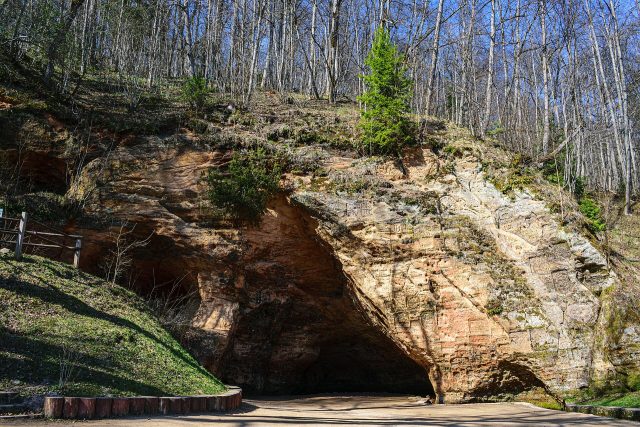
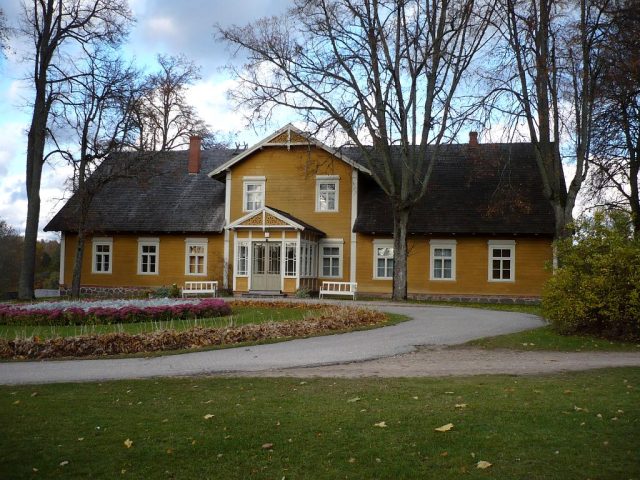
The area around the castle is just as compelling. The Turaida Museum Reserve offers a deeper look into the region’s past, from ancient settlements to more recent history. Nearby stands an 18th-century Lutheran church, its simple elegance a contrast to the fortress’s imposing bulk. The Gauja Valley itself is a draw for nature lovers, with dense forests, sandstone cliffs, and the river’s clear waters offering endless trails for hiking and cycling. Several viewpoints in the area provide breathtaking vistas, especially in autumn when the foliage blazes with color.
Visiting Turaida is as much about the landscape as it is about history. The quiet here is profound, broken only by the rustle of leaves or the call of a bird, making it easy to imagine the lives of those who once walked these grounds. The castle seems to grow from the land itself, its stones as much a part of the valley as the trees and river. Even now, with the hum of modern life not far away, Turaida offers a rare sense of stillness, a place where the past lingers in the air.
For those who want to linger, the surroundings invite exploration. Trails wind through the forest, leading down to the river or up to scenic overlooks. A bench by the castle walls is the perfect spot to watch the light play across the ancient stones, or to simply sit and listen to the wind. In summer, the contrast between the red brick and the lush greenery is striking, while winter wraps the ruins in a hush, as if the world beyond has faded away.
Turaida Castle is more than a relic—it’s a living piece of Latvia’s story. It has seen empires rise and fall, borders shift, and generations come and go, yet it remains, anchored in the land. A visit here isn’t just about seeing history; it’s about feeling it, about understanding the rhythms of life in a place where nature and human endeavor have long been intertwined. Whether you come for an afternoon or stay longer, Turaida leaves an impression that lingers, a quiet reminder of what endures.