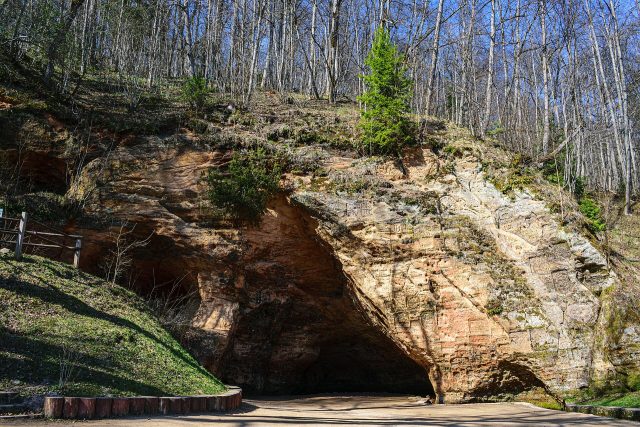
Nestled along the Gauja River in the heart of Latvia’s Sigulda region, the Newmuiža Cave—often called the Viking Cave—is one of those quiet, unassuming places that feels like a secret passed down through generations. Unlike the grand, well-trodden caves of other European destinations, this one doesn’t announce itself with dramatic entrances or tourist crowds. Instead, it waits patiently beneath a sandstone cliff, its mouth half-hidden by the roots of ancient trees and the gentle curve of the riverbank. The cave isn’t large, but its modest size only adds to its charm, making it feel more like a natural shelter than a geological wonder. For centuries, it has been a silent witness to the changing seasons, the rise and fall of the river, and the footsteps of those who sought refuge or simply a moment of solitude within its cool, dim walls.
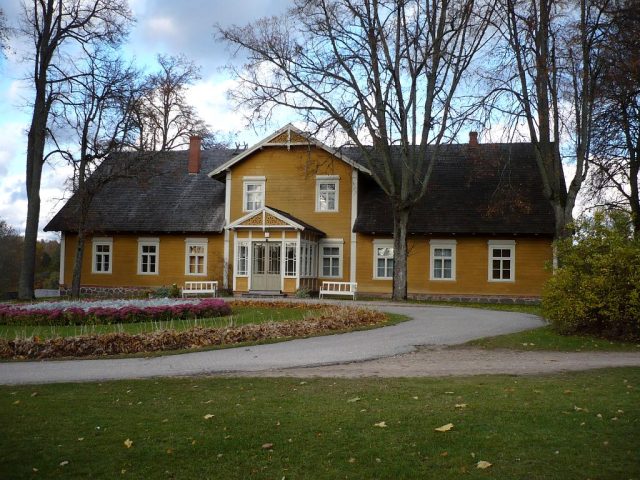
The cave’s name, Newmuiža, ties it to the nearby Newmuiža Manor, a historic estate that once dominated the surrounding landscape. Though the manor itself has faded into time, the cave remains, a small but enduring piece of the area’s past. The Viking nickname, on the other hand, is a bit more mysterious. There’s no definitive evidence that Norse seafarers ever used this cave as a shelter or hideout, but the name has stuck, perhaps because it evokes the kind of rugged, adventurous spirit that the Baltic region has long been associated with. Whether or not Vikings ever set foot here, the cave’s connection to the river—a natural highway for trade and travel in ancient times—makes the idea feel plausible. The Gauja has always been a lifeline for the people of this region, and it’s easy to imagine early travelers pausing here, drawn by the promise of fresh water and a brief respite from the elements.
Geologically, the cave is a product of the same forces that shaped much of the Gauja Valley. The sandstone cliffs that line the river were formed millions of years ago, when this part of Latvia was covered by a vast inland sea. Over time, the water receded, leaving behind layers of sediment that hardened into soft, porous rock. The river, patient and relentless, carved its way through the sandstone, creating the steep banks and hidden hollows that define the landscape today. The Newmuiža Cave is one of these hollows, a small but telling example of how water and time can shape the earth. The cave’s walls are smooth in places, worn down by centuries of wind and rain, while in others, they remain rough and jagged, as if the rock is still in the process of being sculpted.
For locals, the cave has long been a place of quiet significance. In the 19th and early 20th centuries, it was a popular spot for picnics and gatherings, a place where families from nearby farms and villages would come to escape the summer heat or enjoy a leisurely afternoon by the river. There are stories of young couples sneaking away to the cave for a moment of privacy, or of children daring each other to explore its depths. Even today, it’s not uncommon to find a few people sitting at the cave’s entrance, sharing a thermos of tea or simply watching the river flow by. The cave has a way of slowing time down, of making the outside world feel distant and unimportant. In an era where so much of life is hurried and digitized, that kind of stillness is rare and precious.
The cave’s interior is simple but atmospheric. The entrance is wide enough to step through without ducking, though the ceiling lowers quickly once you’re inside. The floor is uneven, covered in a mix of sand, small stones, and the occasional patch of moss. The air is cool and damp, carrying the faint scent of wet earth and river water. In the dim light that filters in from the entrance, the walls take on a warm, golden hue, their texture revealing the layers of sediment that make up the sandstone. There are no stalactites or stalagmites here—this isn’t the kind of cave that dazzles with mineral formations—but there is a quiet beauty in its raw, unpolished state. It feels like a place that has always been here, and always will be, untouched by the passage of time.
For those who visit, the cave is often just one stop on a longer exploration of the Gauja Valley. The area around Sigulda is rich with natural and historical sites, from the dramatic ruins of Turaida Castle to the dense forests and winding trails of the Gauja National Park. The Newmuiža Cave sits at the edge of this landscape, a small but meaningful part of the region’s identity. It’s not the kind of place that demands attention, but rather one that rewards those who take the time to notice it. A short walk from the cave, the river bends sharply, creating a small beach where the water pools into a calm, shallow stretch. On warm days, you might see families wading in the shallows or fishermen casting their lines from the bank. The cave, the river, and the surrounding forest all feel connected, part of a larger, living ecosystem that has existed for centuries.
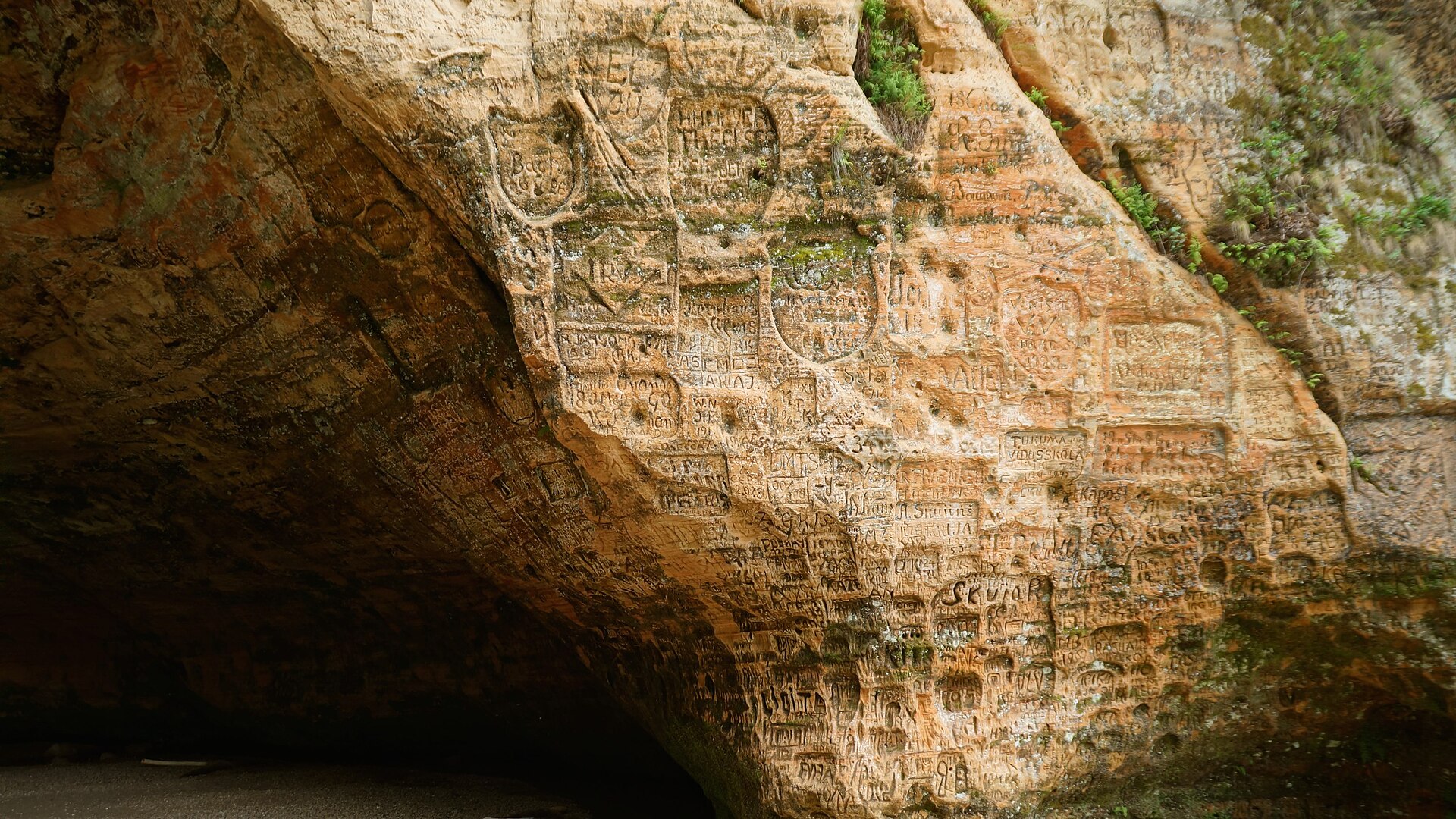
There’s something deeply human about the Newmuiža Cave. It’s not a monument or a tourist attraction in the traditional sense, but a place that has been shaped by the people who have passed through it. The graffiti that marks some of the walls—names, dates, and simple messages carved into the sandstone—serves as a reminder of the countless individuals who have stood in this same spot, each leaving their own small mark on history. Some of the inscriptions are faded, nearly erased by time, while others are still sharp and clear, as if they were made yesterday. It’s a humbling experience to stand among them, to think about the lives that have intersected here, and to wonder about the stories they might tell.
Visiting the cave doesn’t require much planning. There’s no entrance fee, no guided tour, and no gift shop selling souvenirs. You simply walk down a narrow path from the road, follow the sound of the river, and there it is. The lack of fanfare is part of what makes the experience special. It’s a place that exists for its own sake, not for the benefit of visitors. That said, it’s worth taking a moment to appreciate the small details—the way the light plays on the water, the texture of the sandstone under your fingers, the quiet rustle of leaves in the breeze. These are the things that make the cave more than just a geological feature; they make it a place of memory and meaning.
In the end, the Newmuiža Cave is a reminder of how much beauty can be found in the overlooked and the ordinary. It’s not grand or spectacular, but it has a quiet power, a sense of timelessness that lingers long after you’ve left. Whether you come for the history, the geology, or simply the chance to sit by the river and listen to the water, the cave offers something rare: a moment of connection to the land and the people who have shaped it. And perhaps that’s enough.