Slickrock Trail isn’t just another hiking path—it’s one of the most striking landscapes in Arches National Park, a place where the earth seems to have been sculpted specifically for movement and exploration. Located just outside Moab, Utah, this trail draws both visitors and locals who come seeking open space and a raw connection to the desert. There are no winding forest paths or dramatic mountain switchbacks here. Instead, you’ll find a vast expanse of sandstone, smooth and slightly reflective under the sun, giving the trail its name—slickrock.
Unlike traditional trails with clear boundaries and signs, Slickrock feels more like an invitation to wander. The official loop is about three kilometers, but the real beauty lies in its openness. You can follow the natural curves of the rock or strike out in any direction, making the journey your own. The terrain isn’t particularly difficult, but it demands attention. The surface can be deceptively slippery, especially after rain, and even small elevation changes require steady footing. There’s a rhythm to walking here, a way of moving that feels both deliberate and free.
The trail gained fame among mountain bikers in the 1970s, when locals realized its potential. The smooth sandstone, gentle slopes, and lack of dense vegetation create near-perfect conditions for cycling. Today, Slickrock is considered one of the best mountain biking trails in the world, attracting riders from across the country. But it’s a shared space—hikers and cyclists navigate the same terrain, so awareness and courtesy go a long way.
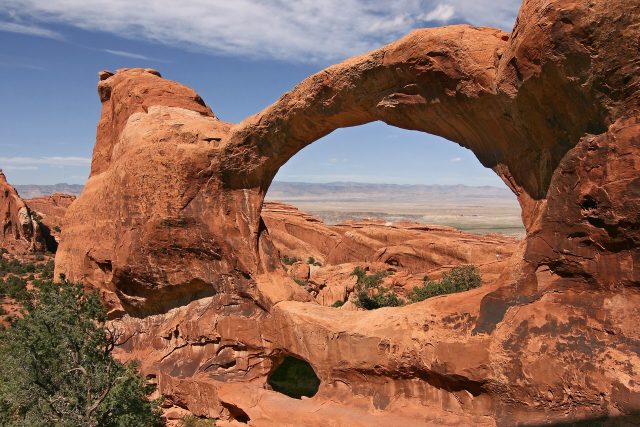
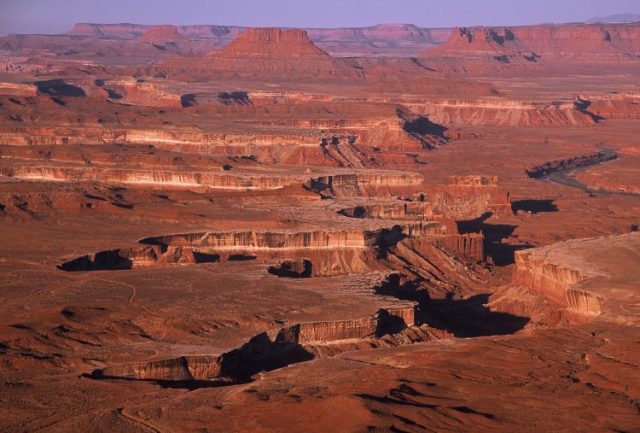
The history of this landscape stretches back millions of years. Long before humans set foot here, an ancient sea covered what is now Utah, leaving behind thick layers of sediment. Over time, water receded, and wind and erosion began shaping the soft sandstone into the formations we see today. Slickrock is just one example of how nature carves beauty without hurry or rules. There are no trees, no dense thickets—just stone and sky, a simplicity that makes the place feel timeless.
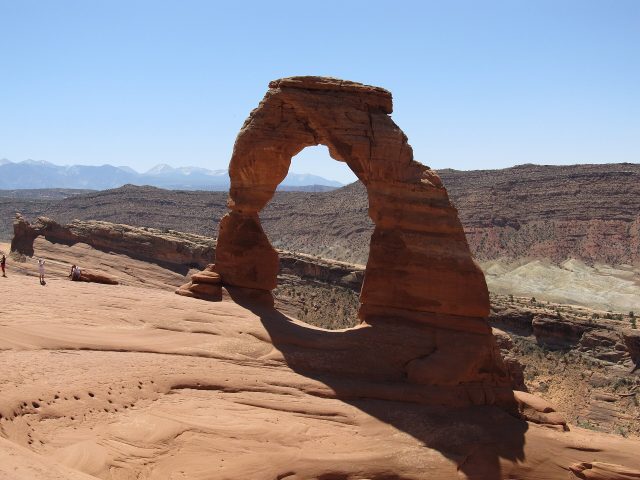
Standing on one of the gentle rises, the view stretches endlessly. The horizon blurs where earth meets sky, and all around, there’s nothing but red rock and the occasional patch of green. On clear days, the air feels impossibly crisp, the colors vivid—the deep red of the sandstone against the blue of the sky, the way shadows from passing clouds slide across the rock. Time seems to slow here, especially at sunset, when the light turns the stone warm and golden.
Despite its stark appearance, Slickrock isn’t lifeless. Juniper and pine cling to cracks in the rock, stubbornly thriving in the harsh conditions. Small lizards dart into crevices, and birds circle high above. In spring, if rain has fallen, tiny wildflowers briefly dot the landscape, adding fleeting bursts of color. But life here is understated, as if nature itself is deferring to the grandeur of the stone and sky.
What makes Slickrock special is the sense of space it offers. There are no crowds, no noise, none of the distractions that come with more famous landmarks. Even during peak season, when Moab fills with visitors, the trail feels open and quiet. It’s the kind of place where you can find solitude without effort, where the vastness of the landscape makes everyday concerns feel small. Many who visit once return again, not because there’s more to see, but because the place lingers in the memory.
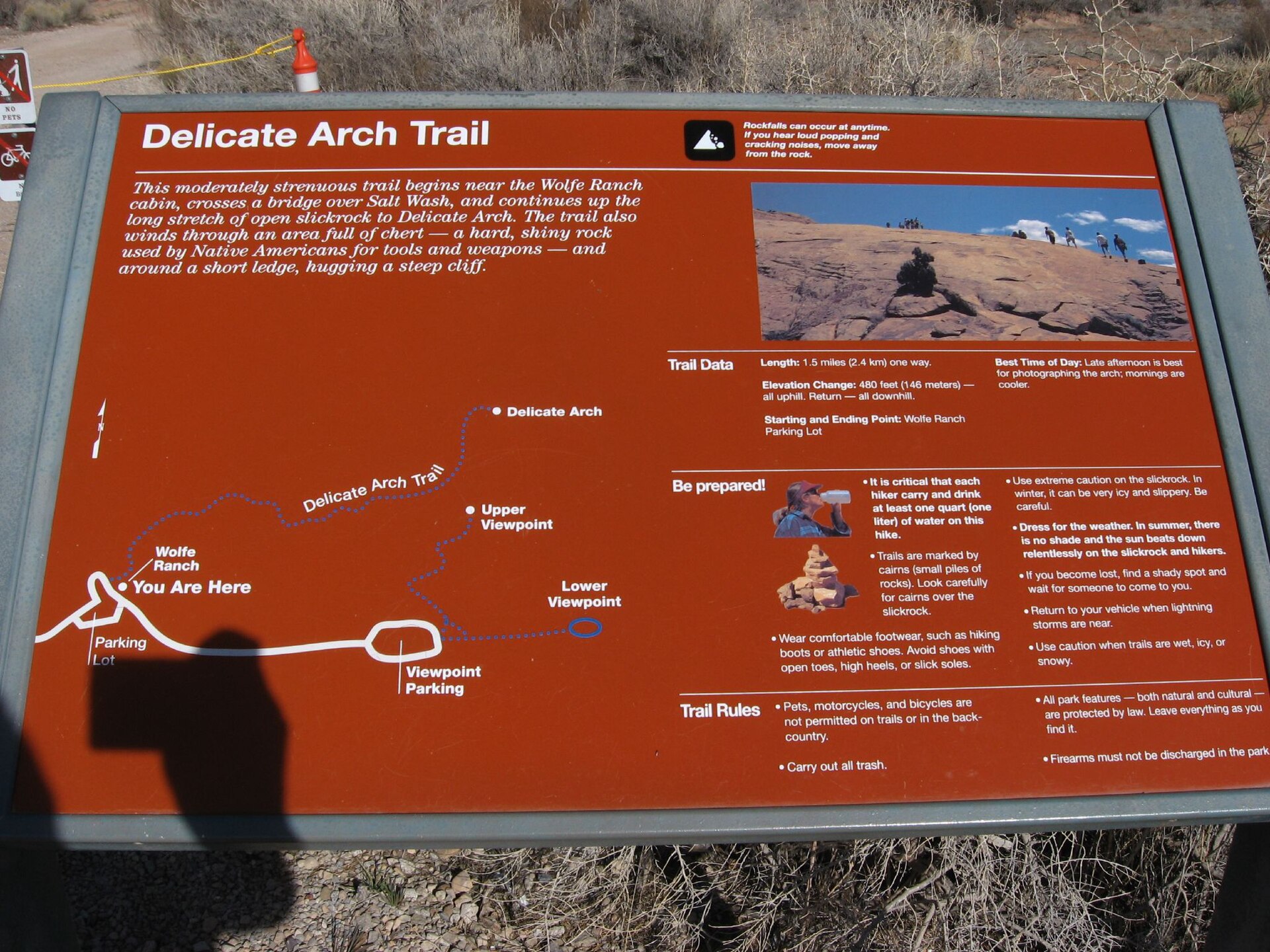
If you plan to go, preparation is key. There’s no water, no shade, no shelter—just sun and stone. Bring plenty of water, a hat, and sunscreen. Sturdy shoes with good grip will help on the slick surfaces, and lightweight, breathable clothing is a must. The best times to visit are spring and fall, when temperatures are mild. Summer can be brutally hot, and winter brings ice, making the trail hazardous. But no matter the season, Slickrock remains a place where the land feels ancient and unchanging, a reminder of the quiet power of the desert.