Arches National Park feels like a place where time moves differently. The desert here isn’t just empty space—it’s a workshop where wind, water, and stone have been shaping the land for millions of years. Over two thousand natural arches rise from the red rock, each one a quiet testament to the slow, relentless work of erosion. Some are delicate, barely holding on; others stand massive and imposing, their curves defying logic. They don’t look real at first glance, more like something carved by human hands, but that’s the illusion. Nature, not artistry, sculpted these forms, and it did so without hurry.
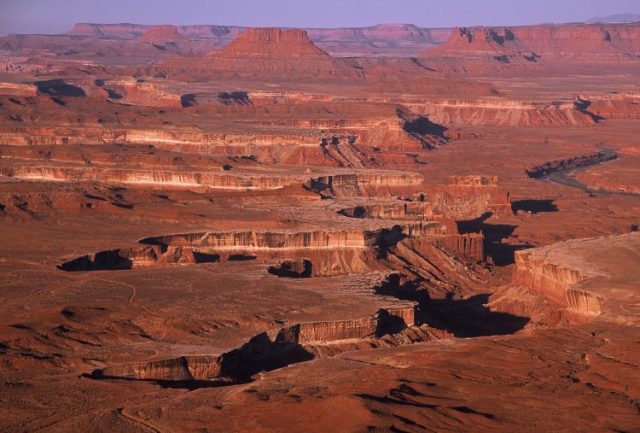
The park covers a vast stretch of southern Utah, where the landscape shifts from sweeping desert flats to towering fins of sandstone and deep, narrow canyons. The colors change with the light—soft pink at dawn, fiery orange by midday, deep crimson as the sun sets. At night, the sky becomes a spectacle of its own. With almost no light pollution, the stars feel close enough to touch, and the Milky Way stretches overhead like a river of light. It’s the kind of place where you can stand in silence and feel the weight of the land’s history pressing in around you.
People have passed through these lands for thousands of years. Long before the park existed, the Fremont and Ancestral Puebloan peoples lived here, leaving behind petroglyphs etched into the rock—figures of bighorn sheep, hunters, and abstract patterns that still puzzle archaeologists. Later, in the 1800s, European settlers and explorers crossed this terrain, calling it hellish for its heat and lack of water. They couldn’t have imagined that one day, this same desert would draw visitors from around the world, not for gold or passage, but for the sheer wonder of its stone arches.
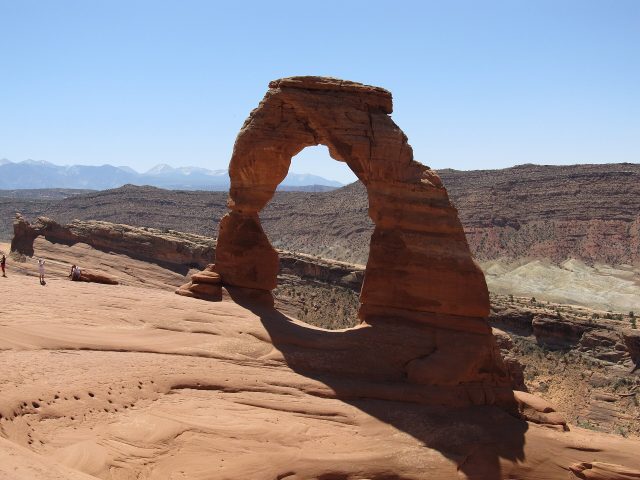
The most famous of these is Delicate Arch, an icon of Utah that appears on license plates and postcards. It stands alone on the edge of a bowl-shaped canyon, its thin span looking almost fragile against the vastness of the desert. The hike to see it is a steady climb over slickrock, the kind of trail that makes you pay attention to every step. But when you round the final bend and the arch comes into view, framed by the La Sal Mountains in the distance, the effort feels small. Many come at sunset, when the light turns the stone golden, and the shadows stretch long across the desert floor. It’s the kind of sight that makes words feel unnecessary.
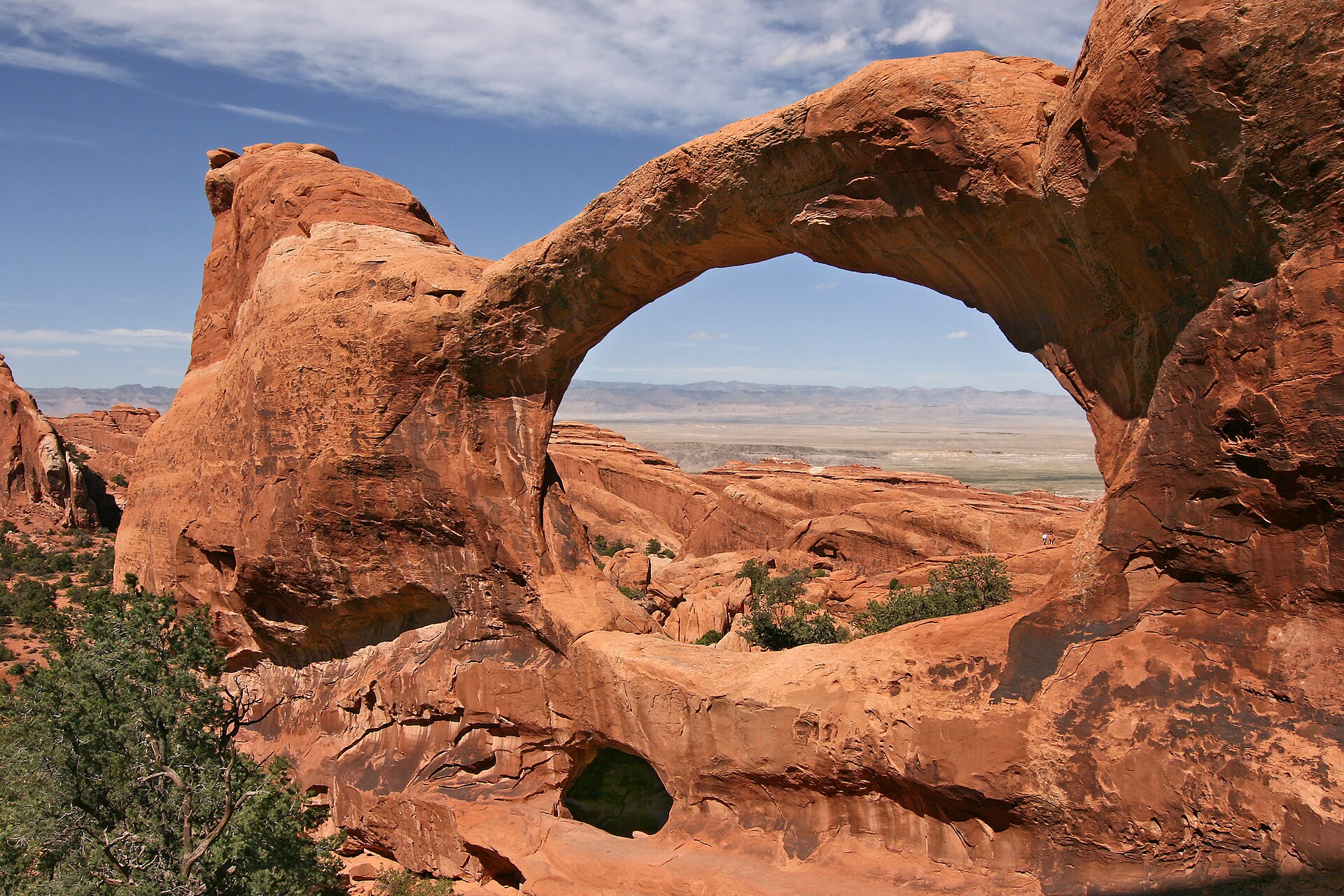
Not all the arches require a long walk. Double Arch, for instance, sits just a short distance from the road, its two massive spans connected at a single point. They loom overhead like the ribs of some ancient creature, their scale making you feel small in the best possible way. Nearby, Landscape Arch stretches nearly the length of a football field, its thin ribbon of stone defying gravity. It’s one of the longest natural arches in the world, and standing beneath it, you can’t help but wonder how much longer it will last. These formations aren’t permanent; they’re still changing, still eroding, still being shaped by the same forces that created them.
Beyond the arches, the park holds other surprises. Fiery Furnace is a maze of narrow canyons and towering rock walls, where the air stays cool even in the heat of the day. It’s easy to lose yourself in its twists and turns, stumbling upon hidden alcoves or sudden views of the desert beyond. Then there’s Balanced Rock, a boulder perched precariously on a slender pedestal, looking like it could topple at any moment. Each of these places has its own character, its own way of making you pause and take in the strangeness and beauty of the desert.
The park offers trails for every level of hiker. Some are short and easy, winding past viewpoints where you can take in the scenery without breaking a sweat. Others are steep and rugged, demanding good boots and plenty of water. But even if you’re not up for a long hike, you can still experience the park from the road. Pull-offs and overlooks provide glimpses of the most famous formations, and the drive itself is part of the experience—the way the landscape unfolds, one stunning vista after another. Just be mindful of the weather. Summer temperatures can soar past a hundred degrees, turning the desert into an oven. Spring and fall are far more forgiving, with cooler air and softer light.
What makes Arches different from other national parks is its sense of quiet. Even in peak season, it’s possible to find a spot where you’re alone with the rock and the sky. There are no crowds pressing in, no lines for viewpoints, no noise beyond the wind. It’s a place for slowing down, for paying attention to the details—the way the light catches the edge of an arch, the texture of the sandstone under your fingers, the silence that settles in when the last car has driven away. People don’t come here for entertainment. They come for the kind of quiet awe that lingers long after you’ve left, the kind that makes you see the world a little differently.