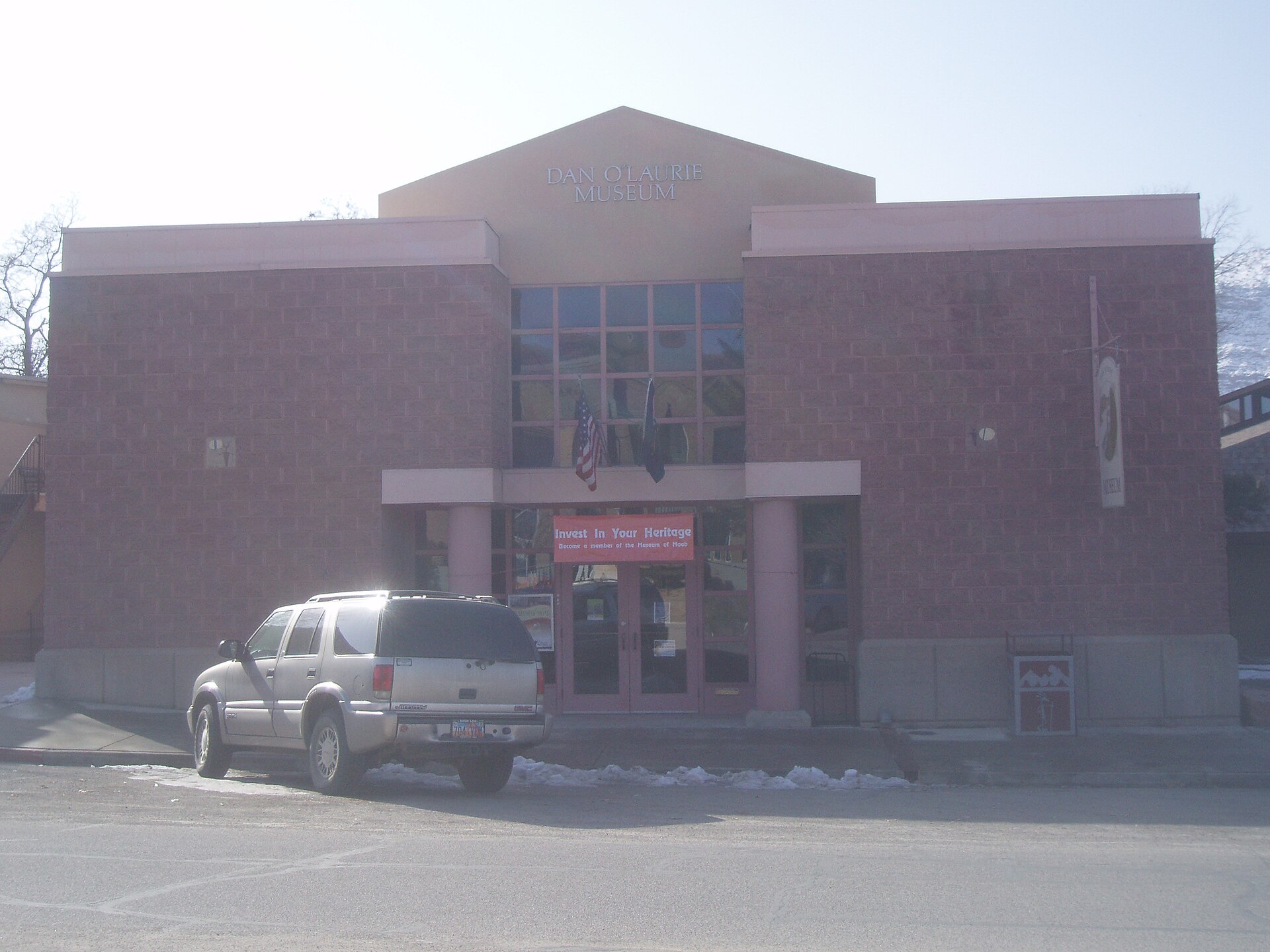
The Moab Museum sits on Main Street, a low-slung building with a sign that’s easy to miss if you’re hurrying toward the red rocks. Inside, the air is cool, the light soft. Here, the layers of time aren’t just preserved—they’re alive. A clay pot from the Ancestral Puebloans rests near a miner’s pickaxe, and a chunk of petrified wood lies beside a photograph of a 1950s uranium boomtown. Each object carries a piece of the story of this land.
The museum started in the 1950s, when locals began saving what they could—tools, letters, photographs—before the uranium rush faded and the old-timers passed away. Over the decades, the collection grew. Now, it holds not just human history but the land’s own: fossils of creatures that swam here when this was an inland sea, minerals that formed over millions of years, and the slow, relentless work of the Colorado River carving canyons into stone.
Voices from the Past
The first exhibits you see belong to the people who lived here long before Moab had a name. The Ancestral Puebloans and Fremont left behind fragments of their lives—stone tools, woven sandals, shards of pottery. These aren’t just artifacts; they’re proof of how humans adapted to a place where water is scarce and the sun is relentless. Nearby, reproductions of rock art cover the walls. The figures—spirals, animals, human-like shapes—were pecked into stone by hands that have turned to dust. What did they mean? No one knows for sure. But standing there, you can’t help but wonder if they were messages, stories, or just the urge to leave a mark.
The next section jumps forward a thousand years. Here, the story is one of struggle and survival. In the late 1800s, Moab was a rough place—a stop for cattle drives, a hideout for outlaws, a town where the nearest doctor was a day’s ride away. The exhibits show this through the things people carried: a cowboy’s spurs, a miner’s lantern, a woman’s diary where she wrote about the dust that got into everything. The uranium boom of the 1950s is here too, told through black-and-white photographs of men in hard hats and newspaper clippings about the rush for “yellowcake.” The town’s population exploded, then collapsed. The land gave, then took away.
Why the Land Feels Alive
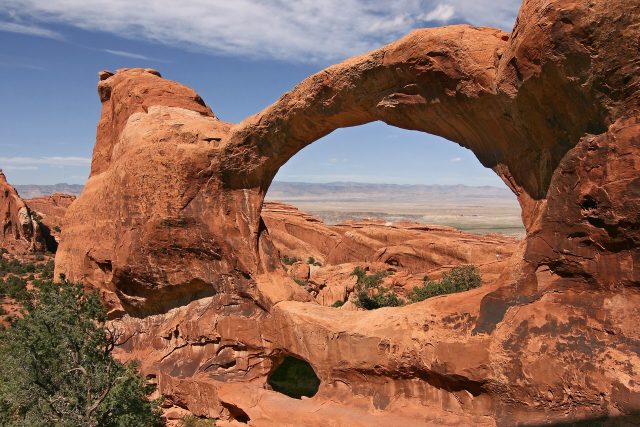
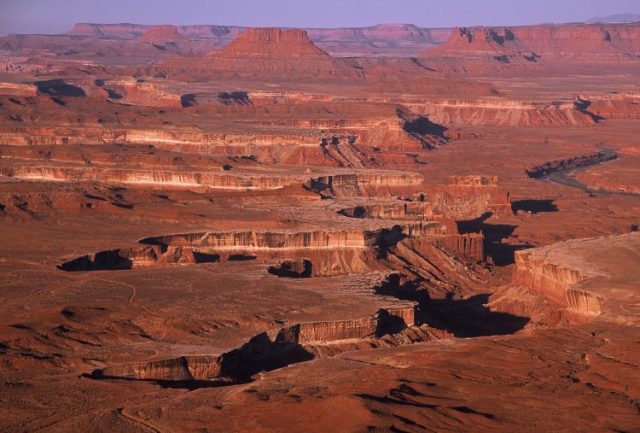
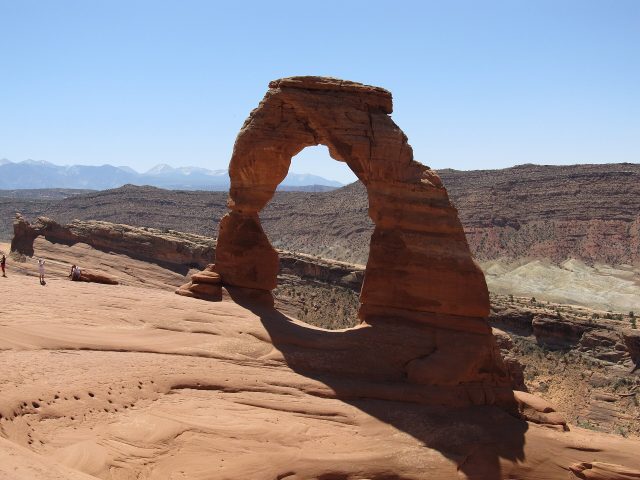
Not all the stories here are human. A large part of the museum is dedicated to the natural forces that shaped this corner of Utah. There’s a display of ammonite fossils, their spiral shells perfectly preserved in stone. These creatures lived here 100 million years ago, when this was the bottom of a sea. Nearby, a chunk of sandstone shows the ripple marks of an ancient shoreline. The Colorado River gets its own exhibit, with maps and timelines showing how it carved its way through rock, inch by inch, over millions of years. It’s slow work, but the results are everywhere—Arches, Canyonlands, the sheer cliffs that drop away into nothing.
For me, this is the heart of the museum. It’s not just about the things people did here; it’s about why they did them. The land dictated the terms. It still does. The uranium miners came because the ore was here. The Ancestral Puebloans stayed because the mesas offered protection. Even today, the tourists come because the canyons take your breath away. The museum makes you see that connection—that this place isn’t just scenery. It’s a force.
Stories That Stick With You
One of the best things about the Moab Museum is how personal it feels. The exhibits aren’t just labels and glass cases. They’re stories. There’s the tale of a rancher who lost everything in a flash flood, only to rebuild his herd from a single cow. There’s the account of a Paiute woman who guided early settlers through the canyons, showing them where to find water. And there’s the photograph of a uranium miner’s daughter, standing in front of a shack with a grin that says she didn’t care how hard life was—she was home.
The people who work here know these stories by heart. They’ll point to a rusted mining cart and tell you about the man who pushed it, or pick up a piece of pottery and explain how it was made. It’s not a lecture. It’s a conversation. By the time you leave, you don’t just know more about Moab—you feel like you’ve met the people who made it.
Outside, the red rocks still stand, the desert wind still blows. But now, when you look at them, you see more than just a view. You see the hands that shaped the pots, the backs that bent over the mines, the lives that were lived here, long before you arrived. The museum doesn’t just preserve history. It makes you part of it.