Trakai Island Castle rises from the waters of Lake Galvė like a scene plucked straight from a medieval chronicle. Its red-brick walls, standing firm against the passage of centuries, seem to defy time itself—especially in the early morning mist or when the setting sun bathes them in golden light. This isn’t just a monument to architecture; it’s a living witness to the history of the Grand Duchy of Lithuania, once one of Europe’s most powerful states. The castle’s presence on the island gives it an almost mythical quality, as if it were always meant to be here, untouched by the outside world.
Construction began in the 14th century under Duke Kęstutis, but it was his son, Vytautas the Great, who completed the fortress and turned Trakai into one of his key residences. Under Vytautas, the castle became both a military stronghold and a political center, reflecting the ambitions of a ruler who shaped Lithuania’s golden age. The fortress endured sieges, fires, and reconstructions, yet its core remained unchanged: thick walls, towering battlements, and an inner courtyard where the life of the court once unfolded. Unlike many European castles abandoned after the Middle Ages, Trakai’s was preserved and restored even in the 19th and 20th centuries, long after Lithuania had lost its independence. This enduring care speaks to its significance—not just as a relic, but as a symbol of resilience.
The castle’s architecture blends Gothic and Romanesque elements, a combination rare for this part of Europe. The central keep, or donjon, wasn’t just a defensive structure; it was a statement of power, a vertical reminder of who ruled these lands. Inside, vaulted ceilings, narrow spiral staircases, and grand halls evoke the feasts and councils that once took place here. The chapel, though its original frescoes survive only in fragments, still carries the weight of centuries. Today, the castle houses a museum displaying artifacts from the era—weapons, household items, documents—but even without them, the space tells its own story. The worn stones and uneven floors whisper of the people who walked here, the decisions made within these walls, and the lives that unfolded in their shadow.
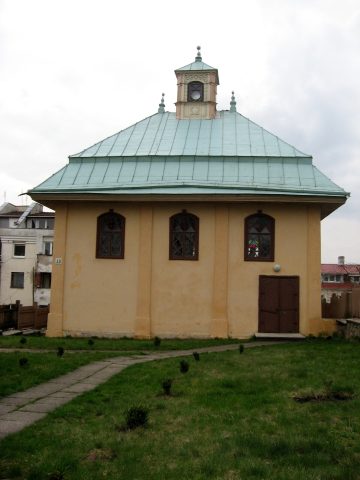
Trakai was more than a fortress; it was a vital trade hub, connecting Lithuania to Poland, Rus’, and the Baltic states. The town’s strategic location drew merchants, travelers, and diverse communities, including the Karaims, a small Turkic people invited by Vytautas to guard the castle and the city. Their legacy endures in Trakai’s old wooden houses, with their distinctive triangular windows, and in the local cuisine, like kibinai—savory pastries filled with meat. The Karaim kenesa, a modest house of prayer near the castle, offers a quiet glimpse into this unique culture. Walking through Trakai, you might still hear snippets of the Karaim language, a rare echo of the past that refuses to fade.
Lake Galvė is as much a part of the castle’s identity as the stones themselves. In summer, the water reflects the fortress’s walls, and visitors can rent boats to glide across the surface or simply sit by the shore, watching the play of light on the brick. Winter transforms the scene entirely: when the lake freezes, the castle appears even more otherworldly, as if encased in glass. Locals like to say that on clear days, you can see Vilnius from the castle’s tower, though the capital lies over thirty kilometers away. The legend persists, perhaps because some stories are more compelling than facts.
Today, Trakai Castle is one of Lithuania’s most visited sites, drawing both tourists and locals who see it as a symbol of national history. In summer, the castle comes alive with medieval festivals, knightly tournaments, and craft fairs, while winter brings a quieter charm—exhibitions inside the halls and occasional holiday markets in the courtyard. Yet even on an ordinary day, when the crowds thin and the only sounds are the lapping of water and the cry of birds, the castle retains its magic. It doesn’t overwhelm with grandeur like some European fortresses; instead, it invites you to linger, to sit on a bench by the lake and imagine the lives that once filled these walls.
Trakai is more than just the castle. The town itself, with its narrow streets, wooden houses, and cozy cafés serving Karaim dishes, feels like a place where time moves at its own pace. A ten-minute walk from the castle leads you to the heart of the town, where locals might stop to share stories about their home. There’s no rush here, no tourist traps—just the quiet rhythm of a place that has always been a crossroads of cultures. The absence of crowds makes Trakai feel intimate, as if you’ve stumbled upon a secret that few outsiders know.
If you visit Trakai, give it a full day. Start with the castle in the morning, when the light is soft and the air is cool. Spend the afternoon wandering the town, sampling kibinai or a bowl of šaltibarščiai, a chilled beet soup perfect for warm days. In the evening, return to the lake to watch the sunset paint the castle’s walls in hues of orange and pink. The surrounding area holds other treasures, too—the peninsula castle once owned by Vytautas, or the nearby nature park with its forests and lakes. But even if you never leave the island, the castle alone offers enough to fill a day with wonder.
Trakai Castle isn’t just a landmark; it’s a place where history feels tangible. Every stone seems to remember the past, and the air hums with the stories of knights, merchants, and ordinary people who once walked these courtyards. In an age of speed and technology, the castle stands as a reminder that some things endure. Climb its tower, and you’ll understand why people say the view stretches far—not just across the landscape, but through time itself.