
Trakai
Lithuania · 8 places
Photo: yeowatzup, CC BY 2.0
Trakai feels like a place where history hasn’t just been preserved—it’s still alive. Just half an hour from Vilnius, this small lakeside town moves at its own unhurried pace, its streets and shores steeped in the legacy of medieval Lithuania, when the Grand Duchy stretched across much of Eastern Europe. The past isn’t confined to museums here; it lingers in the red-brick towers of the island castle, the quiet wooden houses with their sloping roofs, and the way the light catches the surface of the lakes at dusk. What makes Trakai truly distinct, though, is the way different cultures have shaped it over centuries—Lithuanian, Tatar, and Karaim traditions woven together so naturally that they feel inseparable.
The heart of the town is Trakai Island Castle, rising from the middle of Lake Galvė like something out of a storybook. Built in the 14th century, its crimson walls and pointed towers look almost too perfect to be real, especially when their reflection shimmers in the water below. Inside, the castle holds more than just exhibits—it’s a place where history feels tangible. The Gothic vaults of the great hall, the dimly lit chambers where grand dukes once held court, and the cool, shadowy cellars that once stored grain and weapons all tell a story of power and survival. In summer, the castle grounds come alive with medieval festivals and jousting tournaments, the clang of swords and the murmur of crowds filling the air. When winter arrives, the lake freezes over, and the castle stands silent, its towers dusted with snow, while skaters glide across the ice below.
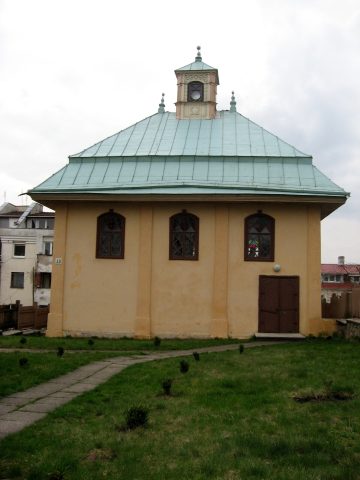
Beyond the castle, Trakai’s identity is deeply tied to the Karaim people, a small Turkic community invited here in the 14th century by Grand Duke Vytautas. Their presence is still felt in the town’s quiet streets, where traditional Karaim houses—easily recognizable by their three front windows, a symbol of hospitality—stand alongside more modern buildings. The community’s influence extends to the local cuisine, too. No visit is complete without trying kibinai, flaky pastries stuffed with spiced meat, best eaten fresh from the oven with a steaming bowl of broth. The Karaim have preserved their language, customs, and even their unique form of Judaism, and while their numbers have dwindled, their legacy remains a living part of Trakai’s character.
The lakes are what give the town its soul. More than twenty of them surround Trakai, each with its own mood—some calm and mirror-like, others framed by dense forests or rolling hills. Lake Galvė is the largest, its waters so clear you can see the bottom even in the height of summer. Locals and visitors alike come here to escape the noise of the city, whether to paddle a boat across the glassy surface, cast a line for perch or pike, or simply sit on the shore with a book and a thermos of tea. When winter arrives, the lakes transform into vast natural rinks, where families skate under the open sky and the sound of laughter carries across the ice. In warmer months, sailing regattas draw crowds, the sails of dozens of boats dotting the horizon as spectators cheer from the shore.
Trakai doesn’t try to impress or entertain. It doesn’t need to. There’s no rush here, no pressure to fill the hours with activities—just the quiet certainty that this is a place where time moves differently. You might come for a day and find yourself lingering for a week, wandering the cobbled streets, listening to tales of knights and grand dukes, or sampling the local food at a lakeside café. The town doesn’t demand anything from its visitors except curiosity. It’s a place where history isn’t just remembered; it’s lived, in the way the wind ripples across the lakes, in the scent of baking kibinai drifting from a kitchen, in the quiet conversations of old men playing chess outside a wooden house. Trakai is unassuming, a little mysterious, and deeply, unmistakably Lithuanian.
See & Do
All of them


Places on the map
Marker colour follows the categoryClimate and weather
Detailed weather: Trakai- Average temperature
- 8 °C
- Precipitation per year
- 626 mm
- Sunshine hours per day
- 5.1 h
Average air temperature
°C
-3
-1
2
8
13
18
19
18
14
8
3
-1
Jan
Feb
Mar
Apr
May
Jun
Jul
Aug
Sep
Oct
Nov
Dec


