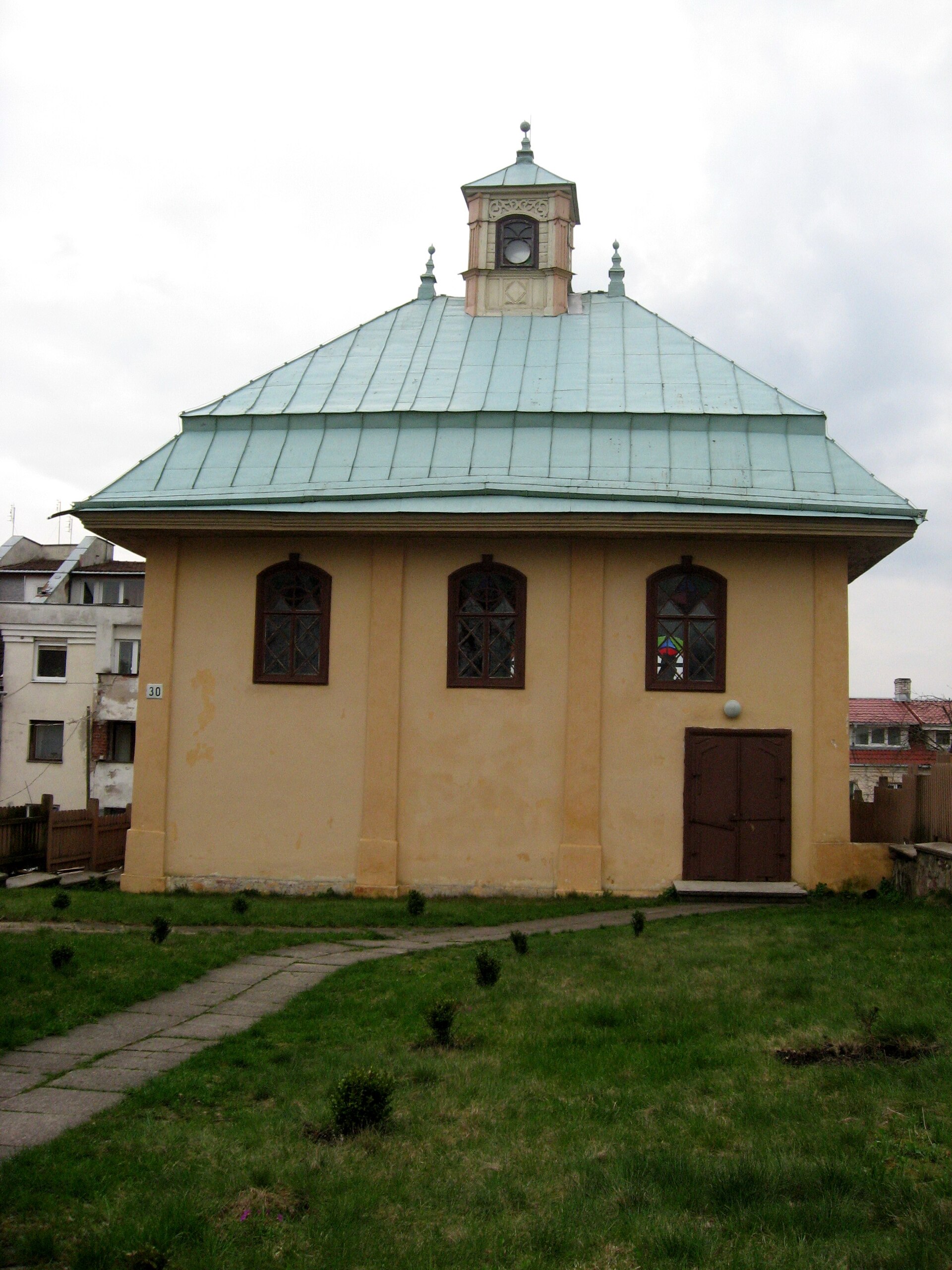
Trakai is a town where history lingers in every corner, its narrow streets and old buildings carrying the quiet weight of centuries. Among its medieval castles and churches, one place stands out—not for grandeur, but for the rare story it holds. The Karaite kenesa is more than just an old building; it’s a living piece of a culture that took root here hundreds of years ago and never quite let go.
The Karaites, a small Turkic people who follow a distinct branch of Judaism, arrived in Trakai in the 14th century. They were invited by Grand Duke Vytautas, who valued their military skill and craftsmanship. Over time, they became part of the town’s fabric while keeping their own language, customs, and faith. Their presence was never large, but it was lasting. The kenesa, their house of prayer, became the heart of their community, a place where their traditions could endure.
The building itself dates back to the early 18th century, though historians still debate the exact year. Its architecture blends Karaite religious design with local building styles. The two-story structure of red brick, with its tall, pointed windows, has a quiet dignity—simple yet striking. Inside, the space is divided, as tradition dictates, with separate areas for men and women. The interior is unadorned: wooden benches, a plain altar, and no ornate decorations. This austerity reflects the Karaite approach to faith, where devotion is measured in sincerity, not spectacle.
One of the most distinctive features is the carved wooden balcony that runs along the walls of the prayer hall. This gallery, reserved for women, is decorated with intricate patterns that hint at the Karaites’ Turkic roots. Nearby, ancient Torah scrolls rest in their cases, written in Hebrew but accompanied by Karaite commentaries. These texts are more than religious artifacts; they’re fragments of a history shaped by migration, survival, and the quiet determination to hold onto identity.
Today, the kenesa in Trakai is one of the few still active in the world. The Karaite community in Lithuania shrank dramatically after World War II, but services are still held here, especially during major religious holidays. Visitors can step inside, though it’s important to remember this is a place of worship, not a museum. Guides share stories of Karaite traditions—their language, their food, the customs that have survived against the odds. Some of these traditions are still visible in Trakai itself.
The town carries traces of its Karaite past in unexpected ways. In the older quarters, you might notice houses with three windows facing the street. According to Karaite belief, one was for God, one for the homeowner, and one for guests. Then there’s kibinai, the savory pastry filled with meat that became a local specialty. It’s a small thing, but it’s one of those details that make Trakai feel like a place where history isn’t just remembered—it’s still alive.
The kenesa isn’t just a landmark; it’s a reminder of how different cultures can coexist without losing what makes them unique. In a world where borders blur and identities shift, Trakai remains a place where the past hasn’t been turned into a relic. It’s still part of everyday life here, preserved not in glass cases but in the quiet persistence of tradition. Walking through its streets, you get the sense that time moves differently in this town—slower, perhaps, and with more room for the stories that came before.