Trakai Historical Museum isn’t just a collection of artifacts—it’s a doorway into the layered past of a town that once stood at the heart of the Grand Duchy of Lithuania. Spread across several buildings, each with its own story, the museum weaves together the threads of different eras, from medieval fortresses to the quiet rhythms of modern life. The most striking of these is the island castle, its red-brick walls rising from the waters of Lake Galvė, but the museum’s reach extends beyond it, touching the streets and structures that have shaped Trakai over centuries.
The island castle is the most recognizable landmark, its silhouette reflected in the lake’s surface, instantly recognizable as a symbol of Lithuania itself. Construction began in the 14th century under Duke Kęstutis, and his son Vytautas later expanded it into one of the region’s most formidable strongholds. For generations, it was a place of power—where treaties were signed, alliances forged, and decisions made that would ripple across Eastern Europe. When its military importance faded, the castle took on new roles, serving as a prison and a place of exile. Today, its restored interiors offer a glimpse into medieval life, from the grand halls where nobles gathered to the armories and chapels that once echoed with the footsteps of knights and servants. The exhibits don’t just tell the castle’s story; they bring to life the people who lived within its walls, from rulers to craftsmen, each leaving their mark on its history.
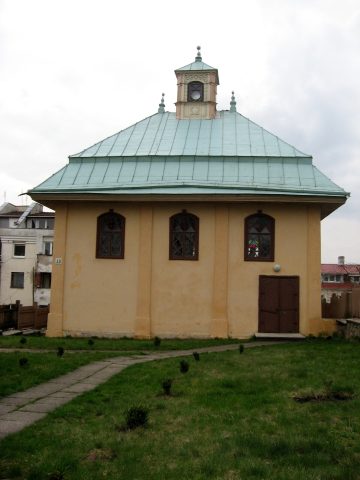
But the museum’s scope goes far beyond the castle. Trakai is home to other historic buildings that have become part of its collection, each offering a different perspective on the town’s past. One of the most unique is the Karaim kenesa, a place of worship for the Karaim people, a small ethnic community invited to Trakai by Vytautas in the 14th century. Their culture, language, and traditions were distinct from those of the surrounding Lithuanian population, and the kenesa stands as one of the few places where this heritage is preserved. Nearby, the Karaim Ethnographic Museum displays everyday objects, clothing, documents, and photographs that trace the community’s life in Trakai over hundreds of years. It’s a quiet but powerful reminder of how diverse this small town once was.
Another fascinating stop is the former home of the Karaim priest, now housing an exhibit on Trakai’s history as a city. The displays here explore how the town evolved, from its early days as a political and cultural hub to its eventual eclipse by Vilnius as the capital of the Grand Duchy. Archaeological finds, old maps, and artifacts from local trades reveal the daily life of its inhabitants—Lithuanians, Karaims, Tatars, and others who called Trakai home. The exhibits also highlight the town’s brief but significant role as a capital, a time when it was a bustling center of commerce and diplomacy before Vilnius took its place in the 15th century.
The museum also pays attention to the natural landscape that has shaped Trakai’s identity. Surrounded by lakes, forests, and wetlands, the region’s geography has always influenced how people lived here. The exhibits include taxidermy displays of local wildlife, botanical collections, and interactive materials explaining the relationship between humans and nature over time. Visitors can learn about the geological forces that carved out the lakes and why this area is so rich in water resources. It’s a reminder that history isn’t just about people—it’s also about the land they inhabit and how it shapes their way of life.
Beyond static displays, the museum brings history to life through events and programs that engage visitors in different ways. In the summer, the castle courtyard often hosts medieval tournaments, where reenactors demonstrate swordplay, jousting, and period music, while vendors sell traditional foods. Winter transforms the space into a festive market, with crafts, mulled wine, and holiday decorations filling the ancient halls. These events aren’t just entertainment—they’re a way to make the past feel tangible, to step into the shoes of those who lived centuries ago. The museum also hosts lectures, workshops, and temporary exhibitions that delve into specific aspects of Lithuanian history, ensuring there’s always something new to discover.
For locals, the museum is more than a tourist attraction—it’s a cultural anchor. It serves as a venue for academic conferences, publishes research on the region’s history, and welcomes school groups eager to learn about their hometown’s past. In a country where national identity is deeply tied to history, places like this play a crucial role in preserving collective memory. Trakai isn’t just a picturesque town with a castle; it’s a place where the stories of different peoples—Lithuanians, Karaims, Tatars, Poles—intersect, each leaving their mark on the land.
Visiting the museum is as much about atmosphere as it is about exhibits. Walking through the castle’s restored halls, standing in the quiet courtyard of the kenesa, or strolling along Trakai’s narrow streets, it’s easy to imagine the sounds and smells of the past. The clatter of hooves on cobblestones, the scent of woodsmoke from hearths, the murmur of voices in different languages—these details might be lost to time, but the museum does its best to evoke them. The town has changed, of course, but the museum helps keep its spirit alive, offering a connection to the people who shaped it and the stories they left behind.