Kayenta moves at its own pace. There’s no skyline, no freeways, no crowds. Instead, sandstone buildings line dusty roads, and the quiet suggests modernity hasn’t changed much.
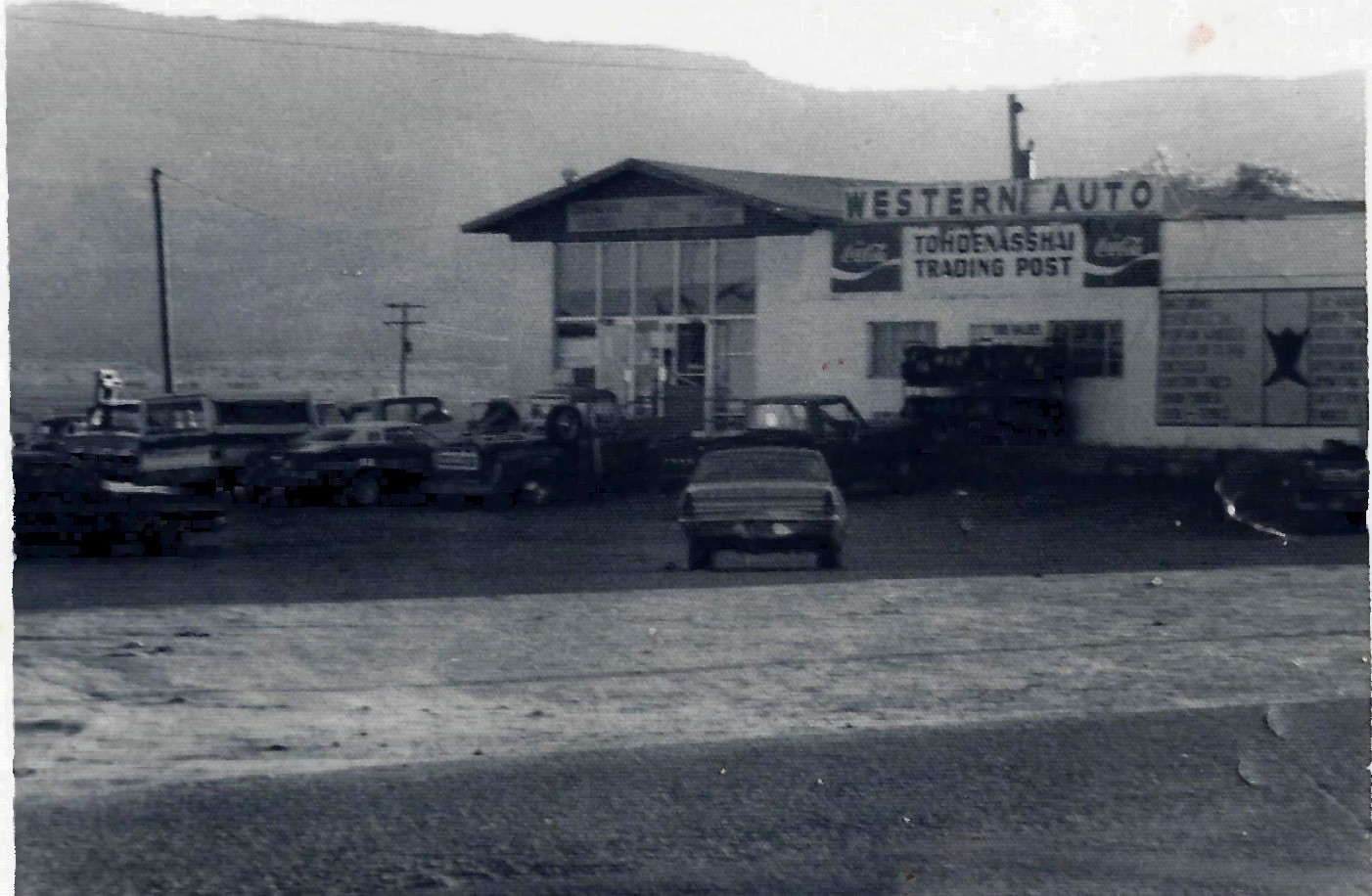
The town sits in the heart of the Navajo Nation in northern Arizona. Its trading post isn’t just a market—it’s where the traditions of the Southwest meet daily life.
In the early 1900s, settlers traded with the Navajo to make a living. The first posts appeared in the 1890s, but by the 1910s, the trading area had taken its current form. Locals traded wool, woven goods, and silver jewelry for flour, sugar, and tools. Over time, it became a space where traditions were passed down, elders shared stories, and visitors saw Navajo culture.
The buildings here are made of local sandstone. They have flat roofs, small windows, and heavy wooden doors. The style echoes Pueblo dwellings but was adapted for a trading post. Inside, you’ll find old wooden counters, faded labels, and scales once used for weighing wool and silver. Walking through feels like stepping back in time.
Today, the trading post is still a place of craftsmanship. Artisans work in the shops, often creating pieces in front of visitors. You’ll find Navajo rugs woven from natural wool, silver jewelry set with turquoise, clay pottery with geometric designs, and leather goods. The makers explain each step and why turquoise matters in Navajo culture.
The atmosphere is quiet. Midday heat keeps most people indoors, but mornings and evenings bring activity. Elders talk in Navajo, children play in the shade, and pickup trucks pass before silence returns. The wind carries the sound of distant dogs, and red rocks glow in the light.
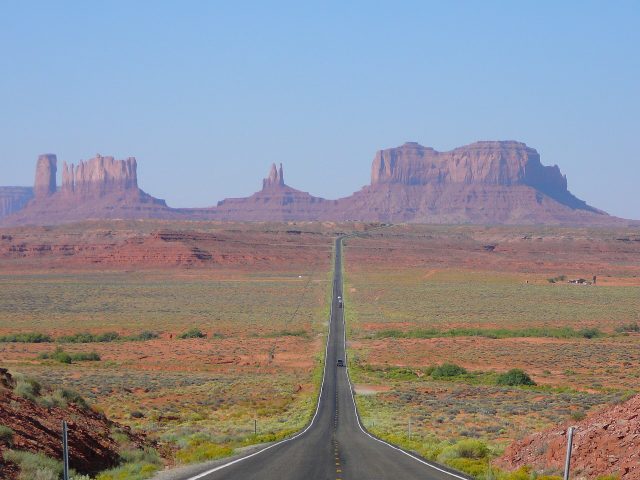
This isn’t just a stop on the way to Monument Valley or the Grand Canyon. There are no tourist traps, no mass-produced trinkets—just the crafts and stories of the people. You might spend an hour or a day if you talk to a local. Many speak English with a distinct accent and share what life is like in the reservation.
Time feels different here. There’s no schedule, no rush. You can sit on a bench with coffee and watch the sun set behind the cliffs. Or step into a shop where the air smells of leather and herbs. Maybe you’ll notice a rug that took months to weave or touch the sandstone walls and wonder what this place looked like a century ago.
History isn’t locked away. It’s in the walls, the voices, the crafts being made in front of you. If you’re passing through, slow down. The land has been here for centuries, and the trading post has seen generations come and go. It’s been waiting.