Kayenta School is one of those rare places that feels suspended in time, even as the world around it moves forward. Tucked in the heart of a small town in northern Arizona, this historic building is more than just an architectural relic—it’s a quiet witness to the layered history of a region where Native traditions, early settlers, and the forces of change once collided. Today, the school stands as a silent storyteller, a reminder of how education became both a bridge and a divide between different worlds.
Built in the early 20th century, the school emerged during a period when this corner of Arizona was still remote, its vast landscapes home primarily to the Navajo people. At the time, the U.S. government was pushing policies aimed at assimilating Native communities into mainstream American life, and boarding schools like this one were a key part of that effort. Children here were taught reading, writing, and arithmetic, but also what the government of the era considered "civilized" ways—often at the cost of their own language, traditions, and family ties. The school’s history is complicated: it offered opportunities, but it also demanded sacrifices, leaving a legacy that still resonates in the community today.
The building itself reflects the era in which it was constructed. Its design is practical and unadorned, typical of government institutions of the time—brick walls, tall windows, and symmetrical facades that convey a sense of order and permanence. Inside, the classrooms retain their original layout, with wide wooden floors and large chalkboards that once bore lessons in English and math. The spaces feel slightly abandoned now, but that only adds to their character. It’s easy to imagine the halls filled with students, the sound of footsteps echoing as classes let out for recess.
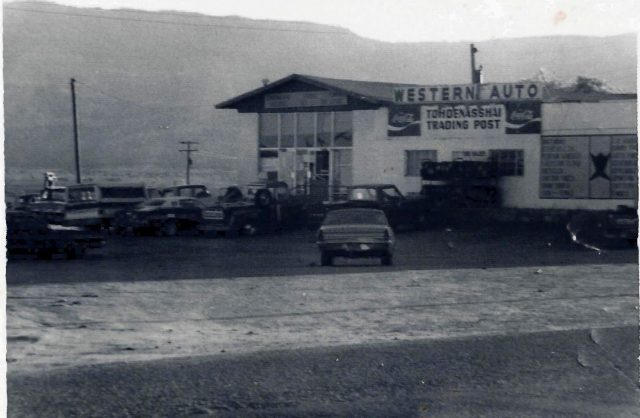
Over the decades, the school’s purpose evolved. As assimilation policies faded and the Navajo Nation gained greater autonomy, the building was repurposed. It housed administrative offices, temporary classrooms, and even community gatherings. Though it no longer functioned as a boarding school, it remained a familiar landmark for locals, a place tied to family histories—where parents, grandparents, and great-grandparents once studied. For many in Kayenta, the school is more than just a building; it’s a piece of their own story.
Today, Kayenta School is less a functioning institution and more a monument to the past. It doesn’t draw the same crowds as Arizona’s more famous landmarks, and most visitors pass through quickly. But that’s part of what makes it special. There are no souvenir shops or guided tours here, just the quiet hum of history waiting to be noticed. Those who take the time to visit often come not for spectacle, but for something harder to define—the sense of authenticity that’s increasingly rare in a world of curated experiences.
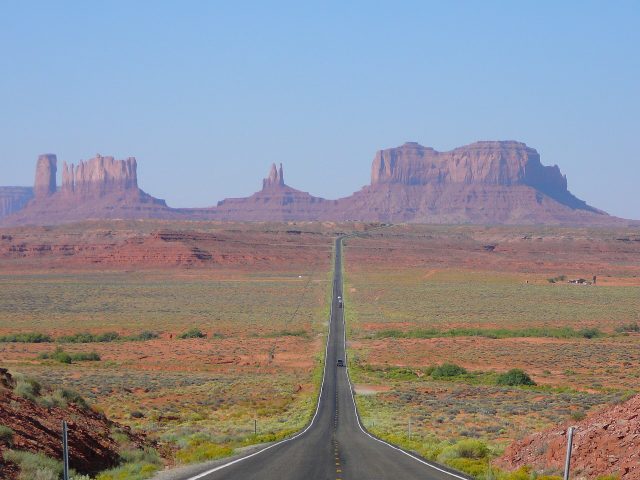
Kayenta sits at the heart of the Navajo Nation, on land that holds deep spiritual significance. The red mesas, winding canyons, and endless plains aren’t just scenery; they’re part of a living history, where every rock and ridge carries meaning. Against this backdrop, the school feels like more than just a building. It’s one thread in a much larger tapestry—the story of a people who have endured displacement, assimilation, and resilience, all while holding onto their identity.
The school is showing its age. Bricks are cracked in places, paint peels from the walls, and some windows are boarded up. Yet even in its worn state, the building retains a certain presence. There’s talk of restoring it someday, perhaps turning it into a museum or cultural center where visitors could learn more about the region’s past. For now, though, it remains a place you have to seek out—not for the sake of checking off a tourist attraction, but to connect with a history that’s still alive in the memories of those who lived it.
A visit to Kayenta School isn’t like touring a typical landmark. There are no flashy exhibits or interactive displays, just the quiet weight of time. Standing in front of the old building, it’s impossible not to wonder about the lives that passed through its doors—the children who sat in those classrooms, the teachers who shaped their lessons, the families who sent their kids here with hope and hesitation. The school may be empty now, but the echoes of those voices linger in the air.