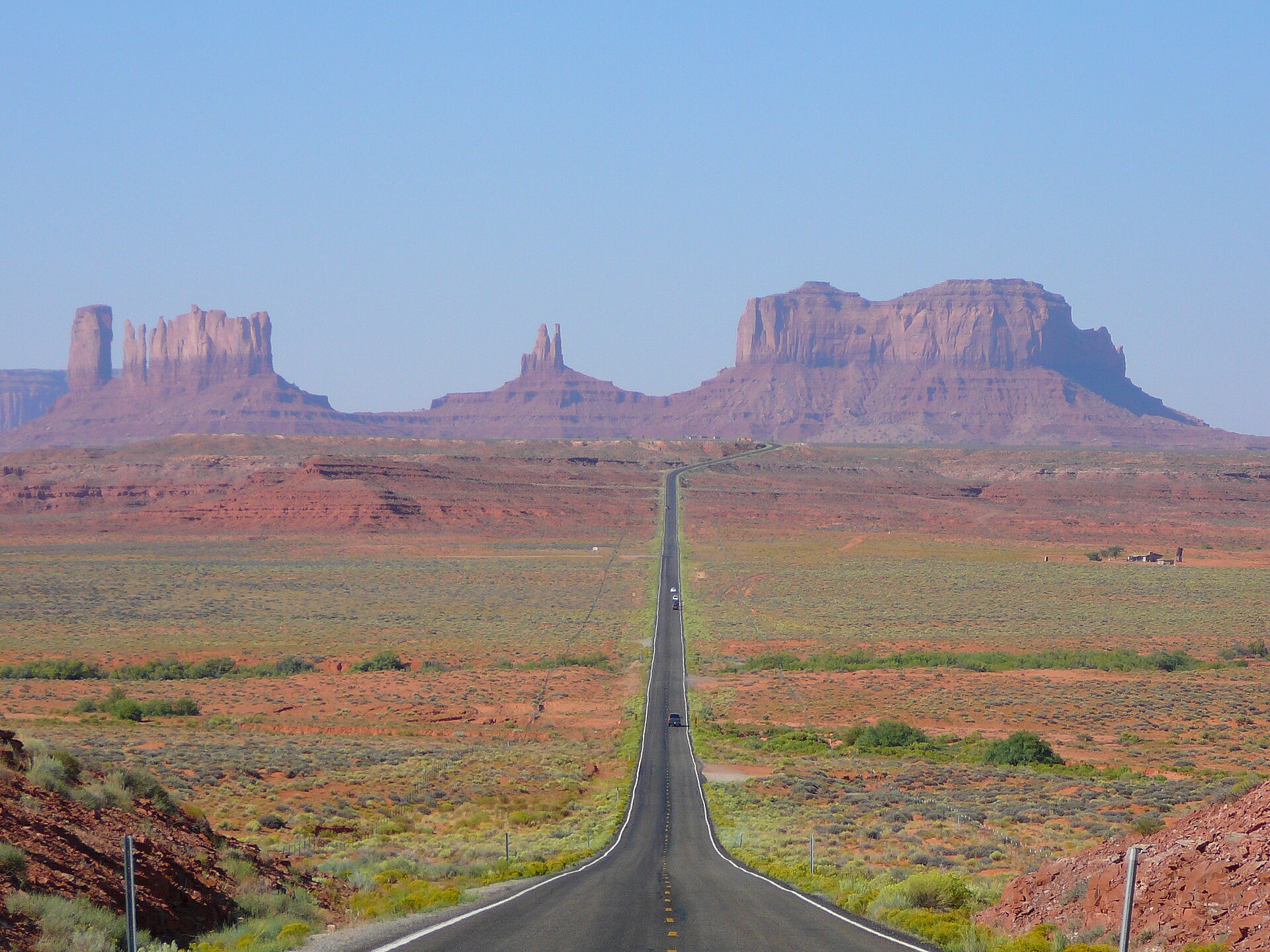
Monument Valley is one of those rare places where the earth feels still, as if time itself has paused to let the landscape speak. Straddling the border between Arizona and Utah, it has long been a symbol of the American West, though its story stretches far beyond the myths of cowboys and outlaws. Here, among the red rock formations and vast desert plains, the world moves at a different pace. The wind erases footprints almost as soon as they’re made, and the sun shifts the shadows across the stone monoliths in slow, deliberate strokes. The Navajo people call this land *tsé biyiʼ*—"the rocks that stand in the middle of nowhere"—and that’s exactly what it feels like: a place where the land exists for its own sake, not for those who pass through.
The formations that define Monument Valley aren’t just geological wonders; they’re the remnants of an ancient world. Millions of years ago, this was the floor of a shallow sea, and over time, wind and water wore away the softer rock, leaving behind the hard, enduring shapes we see today. These aren’t random piles of stone—they’re sculptures carved by nature, each with its own character. The Mittens, two towering buttes with flat tops that resemble giant hands pressed into the earth, are the most recognizable. Then there are the Three Sisters, three slender spires that rise like sentinels, their sharp peaks catching the light at dawn and dusk. Every formation has a name, and many have stories attached to them, passed down through generations of Navajo families who see these rocks not as inanimate objects, but as living parts of their history.
For the Navajo, Monument Valley is sacred ground, tied to the creation stories that explain how the world came to be. According to tradition, this is where the Holy People shaped the first humans, and the rocks became their eternal guardians. The land is alive with the presence of ancestors, and the Navajo treat it with reverence. Visitors are asked to do the same: climbing the formations is discouraged, as is taking rocks or leaving anything behind. It’s a place where the line between the physical and the spiritual blurs, where the land isn’t just a backdrop but an active participant in the culture that has thrived here for centuries.
The valley’s fame in the wider world came largely through Hollywood. In the 1930s and 40s, directors like John Ford turned it into the quintessential setting for Westerns, using its dramatic landscapes as a stage for stories of frontier life. Films like *Stagecoach* and *Fort Apache* cemented its image in the public imagination, though they also reduced it to a kind of cinematic shorthand—a place of gunfights and dusty trails, rather than a living, breathing landscape. Today, many visitors come expecting a theme park version of the Old West, only to find something far more real. The valley doesn’t perform for tourists; it simply exists, indifferent to the myths that have been built around it.
Driving through Monument Valley is less about sightseeing and more about stepping into another rhythm. The road winds between the formations, each turn revealing a new perspective on the same ancient stones. Along the way, you might pass a traditional Navajo hogan, its wooden frame and mud walls blending into the landscape, or a roadside stand selling handmade jewelry and woven rugs. Occasionally, a flock of sheep will appear, grazing on the sparse desert vegetation, a reminder that this land is still home to people who depend on it. The valley isn’t just a place to look at—it’s a place to experience, where the past and present coexist in the same quiet, unhurried way.
The best times to visit are early morning or late afternoon, when the light is soft and the rocks glow with warm, shifting hues. At sunrise, the formations emerge from the darkness like silent giants, their surfaces catching the first light in patches of gold and red. As the day wears on, the shadows deepen, revealing the textures of the stone—the cracks, the ridges, the smooth curves worn by time. At night, the sky becomes a spectacle of its own, one of the darkest and clearest in North America, where the Milky Way stretches overhead like a river of light. It’s easy to see why artists and photographers have been drawn here for decades, but you don’t need a camera to appreciate it. Sometimes, the most memorable moments are the ones where you simply stand still and let the place work its quiet magic.
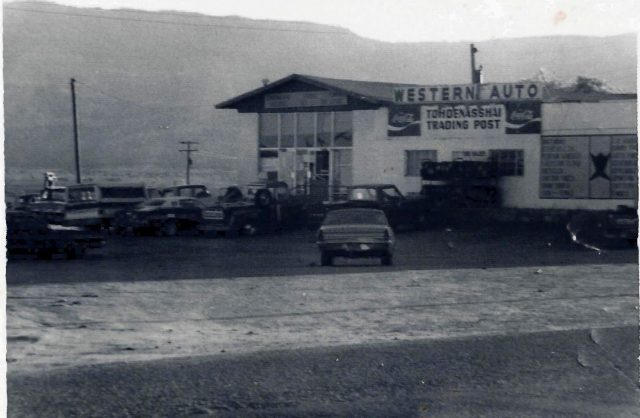
Despite its remote location, Monument Valley isn’t cut off from the modern world. The nearby town of Kayenta offers basic amenities—a hotel, a few restaurants, a visitor center where you can learn about Navajo history and culture. But step away from the main road, and the sense of isolation returns almost immediately. The vastness of the landscape has a way of making even the most crowded tourist spots feel small. This isn’t a place for rushing. To really understand it, you have to slow down, to sit and watch how the light changes, how the wind moves across the sand, how the silence settles in like a natural part of the air.
What makes Monument Valley extraordinary is that it’s not frozen in time. The land is still evolving, shaped by the same forces that created it. Erosion continues to wear down the rocks, wind shifts the dunes, and rain carves new paths through the earth. Some formations will eventually collapse, while others will emerge in their place. The valley doesn’t stay the same, and that’s part of its power. It reminds you that the world is far older and far larger than any of us, and that we’re just passing through. Standing among those ancient stones, it’s impossible not to feel both insignificant and deeply connected—a fleeting part of something that will endure long after we’re gone. That’s the real draw of this place: not the postcard views, but the quiet realization that the earth has its own stories, and we’re lucky to witness even a small part of them.