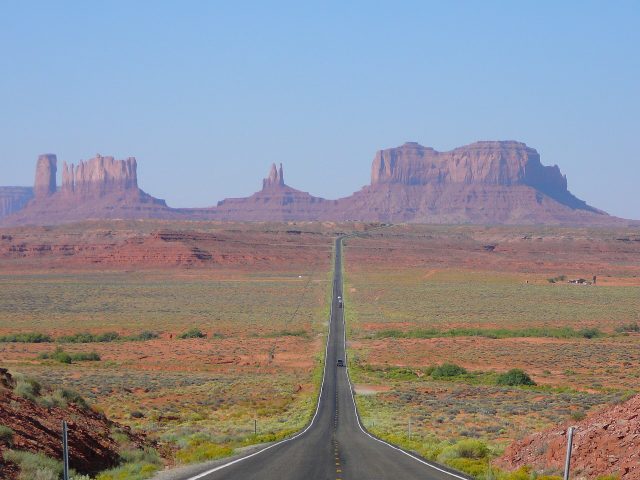
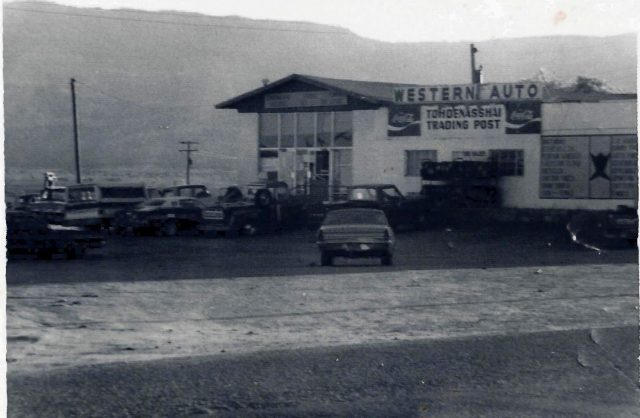
Kayenta sits in northern Arizona, where the land stretches under a wide sky. The town doesn’t draw attention with bright signs or busy streets. Instead, it moves to the rhythm of the desert, where red rock formations hold stories older than the country. The Navajo Heritage Center isn’t a typical tourist stop. It’s where the culture of the Diné speaks for itself.
The Navajo Nation is the largest Indigenous group in the United States. Their history includes migrations, conflicts, encounters with settlers, forced displacement, and a return to ancestral lands. The Heritage Center doesn’t treat this history as a series of tragedies. It shows it as something that continues in the way people live, speak, and create today. The exhibits aren’t behind glass. They’re stories told by elders, songs sung in the traditional way, crafts made by hands that know the old techniques.
The center’s buildings are made of sandstone and wood. They echo the shape of a hogan, the traditional Navajo dwelling, but don’t copy it. Inside, you might see a weaver at her loom, making a rug. The patterns tell stories of family, land, and survival. Nearby, a silversmith could be working with turquoise, explaining how each stone carries meaning. The real draw isn’t the objects. It’s the people behind them, talking about their work as part of something older.
Language matters here. The Navajo language is unique—so much so that it became an unbreakable code during World War II. For the Diné, language is more than communication. It’s a way of understanding the world, tying together family, nature, and history. At the center, you might hear an elder sing a traditional song. Or you might learn why the Navajo language has many words for shades of red. For visitors, this can be surprising: language isn’t just words. It’s how a people see the world.
Time doesn’t move the same way here.
For the Navajo, the past isn’t over. It lives in stories told by grandparents, in the names given to children, in ceremonies still performed today. Traditional Navajo medicine, which focuses on harmony with nature, exists alongside modern healthcare. Weaving, once necessary for survival, is now an art form but still part of daily life. The center doesn’t treat these things as relics. They’re part of a living culture that adapts without losing itself.
The land around Kayenta is part of the story. This is the edge of the Colorado Plateau, where Monument Valley, Canyon de Chelly, and the Valley of the Gods stand. For the Navajo, these aren’t just scenic views. They’re sacred places where creation stories unfolded, where ceremonies are held, where every rock and canyon has a name and purpose. The Heritage Center helps visitors see these landscapes through Navajo eyes—not as photo backdrops, but as living parts of their culture.
A visit here isn’t like a typical museum tour. There’s no set path. You might listen to stories about how the Navajo used the stars to navigate. You might watch a carver shape wood into a clan animal. Or you might sit outside, looking at the mountains, feeling the quiet weight of history. The key is to take your time. The Navajo way doesn’t rush.
In recent years, the center has become a place where younger Navajo reconnect with their roots. Many grew up in cities, speaking English, far from their grandparents’ traditions. Here, they can hear their language spoken fluently, learn old crafts, or begin to understand what it means to be Diné. For them, the center is a bridge.
Kayenta and the Navajo Heritage Center aren’t places you check off a list. They’re places you experience slowly, letting the stories and the land sink in. There are no crowds here, just the quiet strength of a culture that has endured. If you come to this part of the world, stay awhile. You might leave with more than memories—you might leave with a new way of seeing.