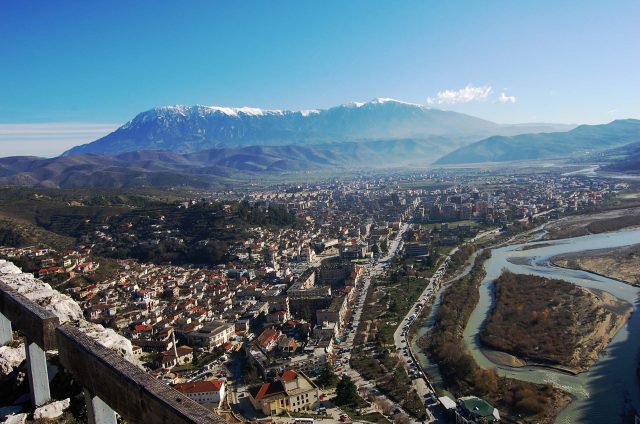
Mount Tomorr rises where the rugged spine of Albania softens, its slopes easing into gentler valleys to the south. The national park covers over twenty-four thousand hectares, a largely unspoiled expanse where the absence of crowds is part of the appeal. The air carries the scent of pine and damp earth, and the only sounds are the wind through the trees, the distant bleating of sheep, and the occasional call of an eagle circling overhead.
For generations, Tomorr has been a place of reverence. Ancient Greeks knew it as Mount Amathus, sacred to Zeus. Later, Christian traditions transformed its summit into a site of pilgrimage with the founding of Saint Naum’s Monastery, which still stands today. The mountain’s spiritual significance runs deeper than any single faith. Long before Christianity, it was a sanctuary for older beliefs, where the divine was thought to dwell in the rocks and forests. That legacy endures in the annual pilgrimage, *Ora e Tomorrit*, held every August, when thousands make the journey to the summit. It blends faith, folklore, and the land itself.
The park shelters wildlife. Its slopes are covered in dense forests of beech, oak, and pine that give way to alpine meadows higher up. Some plants here grow nowhere else. The forests are home to brown bears, wolves, and lynxes, while golden eagles and falcons ride the thermals above. Streams tumble down from the heights, feeding the valleys below with clear, cold water where trout dart through the shallows. In summer, the shade of the trees offers respite from the heat. In winter, snow blankets the slopes, drawing skiers and snowboarders to the quiet trails. The landscape shifts with every turn, revealing a hidden waterfall, a sudden vista, or the quiet rustle of leaves underfoot.
There are several ways to reach the summit. The most popular route begins in Bogovë, winding through beech forests before climbing toward the mountain’s base. Old stone bridges and shepherds’ huts line the path. Another route follows the Osumi Gorge, where the river has carved deep canyons into the rock, and waterfalls cascade down sheer cliffs. Those who make the ascent often camp near the base or stay with local families in nearby villages. The hospitality is warm, and the mountain nights are cool. Sleeping under the stars here feels different—quieter—with the Milky Way stretching overhead like a silver river.
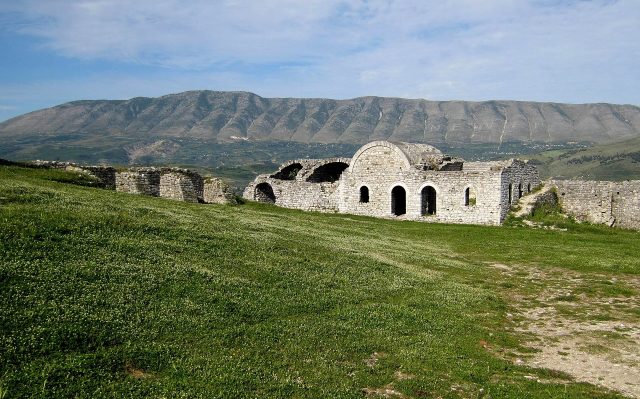
Tomorr’s history is part of the region’s story. In medieval times, it lay along trade routes connecting the coast to the Balkan interior. Later, under Ottoman rule, the mountain became a refuge for those resisting outside control. By the 19th century, it was a stronghold of Albanian nationalism. During World War II, partisan fighters used its rugged terrain to their advantage. Today, remnants of old fortresses and watchtowers still cling to the slopes.
The people who live here—mostly shepherds and farmers—follow rhythms unchanged for generations. In summer, they drive their flocks to high pastures. In winter, they return to villages where life moves to the pace of the seasons. They bake bread in wood-fired ovens, make cheese from sheep’s milk, and pass down stories of the mountain’s spirits. During the August pilgrimage, the air hums with folk songs and the scent of woodsmoke from fires lit along the trails. Even if you don’t share the faith, the sight of people gathering on the slopes, their voices rising in prayer and song, stays with you.
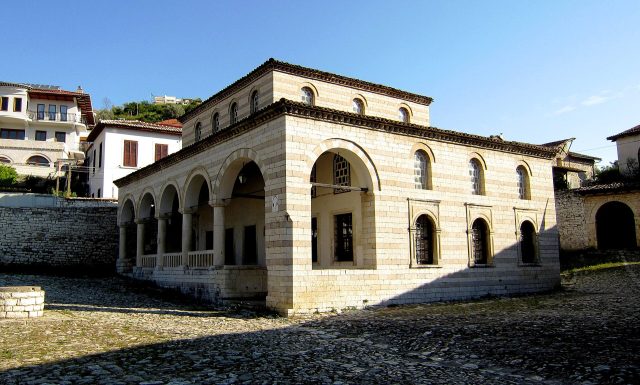
For those who want more than nature, the surrounding villages offer glimpses of a way of life that has endured. In Vodicë, artisans weave traditional Albanian carpets and embroidery. Nearby, the monastery of Saint Naum holds a collection of icons and ancient manuscripts. The buildings are modest, their stone walls and tiled roofs blending into the landscape.
Tomorr isn’t a place for luxury or entertainment. There are no grand hotels, just the simple comfort of a shepherd’s hut, a meal of fresh cheese and homemade wine, and the quiet thrill of waking before dawn to watch the sun rise over the peaks. Time moves differently here—slower, like the rivers winding through the valleys. That’s the gift of this mountain: the chance to step away from the noise of the modern world. In a time when so much of the planet feels mapped, Tomorr remains a place where the land still holds its secrets.