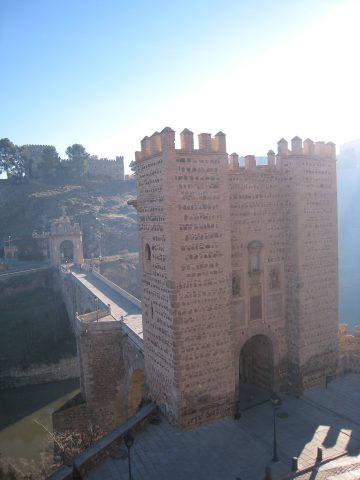
Toledo Cathedral is one of those rare places where history doesn’t just linger—it breathes. Perched on a hill in the heart of the old city, its walls overlook the winding Tagus River, as if keeping watch over centuries of change. This isn’t merely a monument; it’s a living record of Spain’s past, where kings once prayed, pivotal decisions were made, and faith and art became inseparable. The cathedral stands as a testament to the layers of time, each stone holding stories that stretch back eight hundred years.
Construction began in the thirteenth century on the site of a former mosque, which itself had been built over the ruins of a Visigothic basilica. This accumulation of history is what makes Toledo unique—a city where civilizations converged, and the cathedral became its most enduring symbol. The Gothic architecture here is softer than its French counterparts, infused with Mudéjar influences that reflect the region’s Moorish heritage. The soaring bell tower, pointed arches, and intricate buttresses give the structure a sense of lightness, despite its imposing scale.
Inside, the cathedral is just as striking. The main nave rises forty meters high, its space bathed in the warm glow of stained glass, a reminder of the city’s history as a melting pot of cultures. The high altar is a masterpiece of gilded wood, carved with such detail that biblical scenes seem to come alive. Nearby, the choir stalls, once occupied by canons, now draw visitors who try to imagine the sound of medieval chants echoing through the vaulted ceilings.
The cathedral’s treasury holds relics gifted by kings and popes, among them the monstrance crafted by Enrique de Arfe. Weighing over two hundred kilograms and adorned with gold, silver, and precious stones, it’s a dazzling blend of craftsmanship and devotion. Other artifacts—ancient manuscripts, vestments, and liturgical objects—each carry their own stories, preserved within these walls.
Beyond its religious significance, the cathedral is also a gallery of art. The transept features works by El Greco, who spent his final years in Toledo. His paintings, with their elongated figures and dramatic lighting, add a layer of mysticism to the space. Works by Goya and Caravaggio, brought from elsewhere in Spain, further enrich the collection, turning the cathedral into a place where faith and creativity intersect.
Toledo itself is a maze of narrow streets, where every corner whispers of the past. The cathedral fits seamlessly into this landscape, its presence felt even before you reach its doors. The square outside is always alive with the hum of voices, the chime of bells, and the murmur of fountains, creating an atmosphere that feels untouched by time.
Visiting the cathedral is more than sightseeing; it’s an immersion in history. You can spend hours studying the details, tracing the craftsmanship of centuries, or simply sitting on a bench, listening to the echo of footsteps on stone. The light changes the cathedral’s mood—stern and majestic in the morning sun, mysterious under the glow of evening lamps. Yet no matter the hour, it remains a place where the past and present coexist, a single building holding the weight of countless stories.