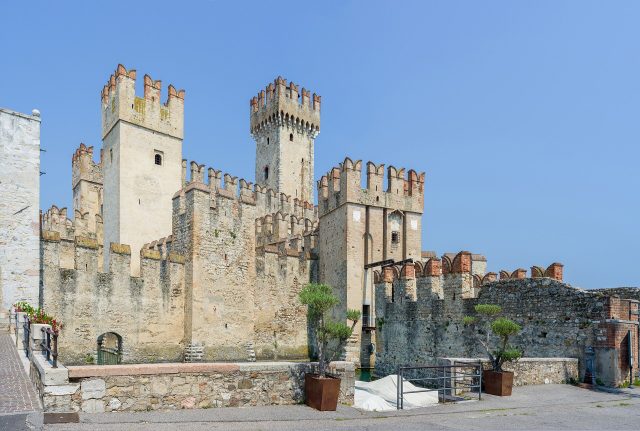
Sirmione sits on the southern shore of Lake Garda, its narrow peninsula reaching into the water like a finger pointing north. The town is known for its medieval castle and pastel-colored houses along the waterfront. Below the surface, thermal springs have drawn visitors for over two thousand years. These springs are not grand marble spas but a natural part of the landscape, offering warmth to those who slow down.
The water rises from deep underground, rich with sulfur, bromine, and iodine, heated to a steady thirty degrees Celsius. It’s among Europe’s most mineral-dense thermal waters, a fact recognized since Roman times. Back then, the springs were already a destination, with basic baths where people sought relief from aches. By the Middle Ages, merchants and nobility traveled here for healing, not spectacle. Modern spas have grown around this legacy while keeping the same quiet spirit.
The thermal complex divides into two areas: Virgilio and Catullo. Virgilio focuses on treatments and rehabilitation. Here, you’ll find mud therapies and inhalation sessions for joint pain or respiratory issues. The atmosphere is quiet, with long corridors and treatment rooms where time slows. Catullo feels more like a resort. Its outdoor pools shimmer under the sun, surrounded by loungers and shaded areas. The sound of water is constant—splashes, laughter, rustling towels. Both are a short walk apart but offer different rhythms.
The spa buildings are low and modern, with large windows framing views of the lake and distant mountains. Inside, the design is simple: clean lines, neutral tones, and natural light. There are no grand chandeliers or mosaics, just space and calm. In summer, outdoor pools are popular, letting you float while the sun warms your skin and the breeze carries the scent of cypress. Even in cooler months, the water stays inviting, steam rising from the surface.
Sirmione’s streets near the castle are lively, with gelato shops and stalls. Step into the thermal complex, and the only sounds are murmurs and water rippling. The spas aren’t just a tourist spot; they’re part of the town’s fabric. Many stay for days, checking into nearby hotels to immerse themselves in the slow pace. Other sights include the Scaliger Castle, the Grotte di Catullo ruins, and old churches, but the thermal waters bring people back.
The springs have changed little. Geologists say the water has risen from the same underground channels for millennia, its mineral composition nearly identical to Roman times. Stepping into this water connects you to a story older than the town itself.
This isn’t a place for high-energy adventures or flashy backdrops. The thermal spas of Sirmione are for slowing down. Mornings might start with a walk along the lakeside promenade, where water laps against stone walls and the air smells of fresh bread. Afternoons drift by in the pools, warmth seeping into muscles, minutes stretching into hours. Evenings often end with a meal at a trattoria, local wine, and a view of the lake turning gold in the sunset. The water doesn’t just feel warm—it feels enveloping.
People return because Sirmione makes time feel elastic. The thermal waters are part of that, but so is the town. It’s a place to step out of the rush and remember what it’s like to simply be. The springs have done this for centuries, and they’re still here, waiting.