Perched on the edge of Jericho, Tell es-Sultan is a quiet hill. Layers of human history lie exposed here, stretching back over ten thousand years. Walk across its dusty surface, and you step over the remains of civilizations that rose and fell before the pyramids existed. The hill doesn’t look like much—a natural rise in the landscape—but beneath it are traces of humanity’s earliest attempts at settled life.
Jericho is called the City of Palms, but Tell es-Sultan holds its oldest roots. Ancient texts say this is where the walls of Jericho crumbled at the sound of Joshua’s trumpets. Archaeologists debate whether the biblical story matches the evidence, but the site itself draws you in. One feature stands out: the remains of a massive stone tower, built around 8,000 years ago. It’s one of the oldest known defensive structures in the world, built by early communities trying to protect themselves.
Excavations have continued here since the late 1800s. Each season uncovers something new—pottery shards, tools, the foundations of ancient homes. These fragments show life long before written records. The Neolithic layers reveal round houses made of clay and stone, built before the potter’s wheel. These simple dwellings mark the shift from nomadic life to permanent settlements. Around the hill, remnants of walls from different eras stand as silent witnesses—Canaanite fortifications, Roman structures, and others.
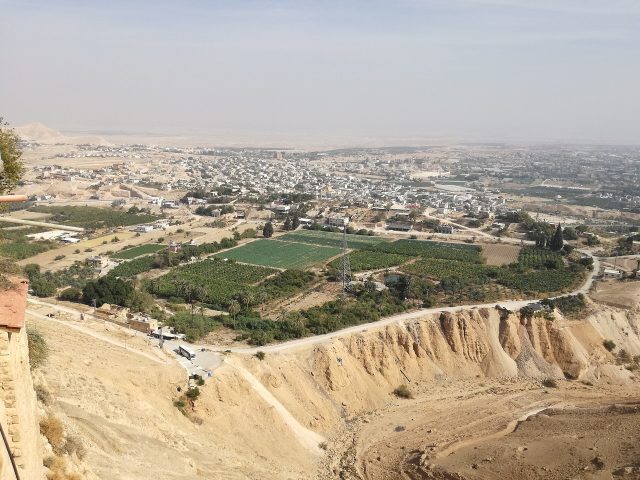
Tell es-Sultan feels different from other ancient sites. There are no polished exhibits or detailed plaques. Many significant finds have been moved to museums, leaving behind a landscape that feels unfinished. This lack of curation is part of its appeal. You’re not just observing history here—you’re standing in the middle of it, surrounded by the same earth that absorbed the footsteps of countless generations. The hill is low, but from its summit, you can see modern Jericho and the surrounding valley, once a fertile oasis in the desert.
The silence here is thick, broken only by the rustle of dry grass in the wind. On a hot day, the air shimmers over the rocks. It’s easy to imagine this place thousands of years ago—a thriving settlement near water, where people farmed, traded, and built their lives. There are no crowds. Unlike more famous sites, Tell es-Sultan doesn’t feel like a tourist attraction. You can wander freely, sit on the ancient stones, and think about the weight of history beneath your feet.
Jericho has always been a crossroads, where trade routes intersected and empires clashed. Tell es-Sultan sits at this convergence. Canaanite, Jewish, Roman, Byzantine, and Arab cultures all left their mark here. Archaeologists sift through these layers, trying to piece together a story from fragments that sometimes contradict each other. The site doesn’t offer easy answers, but that’s part of why it matters. History isn’t just dates and battles—it’s shaped by the people who lived it.
For those drawn to the origins of civilization, Tell es-Sultan offers something rare. There are no grand palaces or reconstructed temples, just the raw remnants of the past. The site hasn’t been prettified. Without a guide or background knowledge, the layers can be hard to decipher, but even a casual visit leaves an impression. The sheer age of the place humbles you—this is where some of the first cities took shape, where people first experimented with agriculture, architecture, and community.
Tell es-Sultan appears on more travel itineraries now, though it remains far less crowded than other ancient sites in the Middle East. That’s a good thing. It lets you experience the place on its own terms. There’s no rush, no pressure to move along—just the quiet chance to walk where so many others have walked before. It invites you to think about the past, which feels closer here than anywhere else. It’s not about empires or battles. It’s about the ordinary lives that unfolded here, the people who once called this hill home.