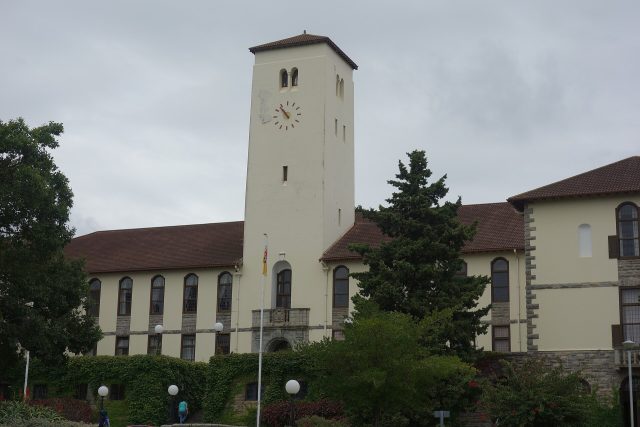
Grahamstown is one of those places that rarely makes it onto the usual tourist trails of South Africa, tucked away among the gentle hills of the Eastern Cape. Yet it’s here, in this quiet corner of the country, that you’ll find the Victoria Theatre—one of the oldest in South Africa and a building that carries the weight of history in its very bones. Built in the mid-19th century, when the town was still a British colonial outpost, the theatre has witnessed far more than just performances. Its walls have absorbed the energy of public gatherings, political debates, and even court sessions, serving as the cultural and social heart of Grahamstown for generations.
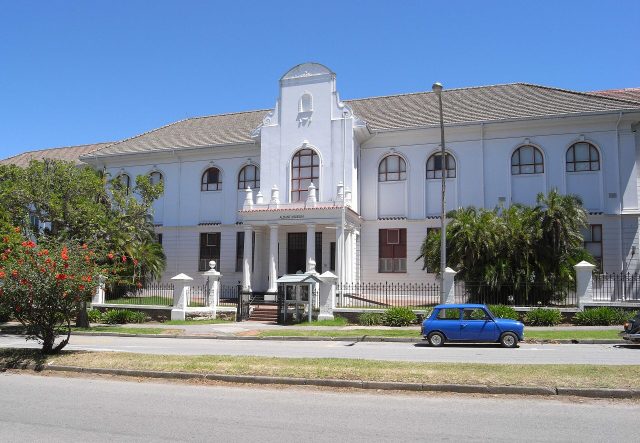
The architecture of the Victoria is unmistakably Victorian, with its high ceilings, large arched windows, and intricate woodwork that has somehow survived the passage of time. From the outside, the building is modest, almost unassuming, but step inside and the atmosphere shifts. There’s a quiet dignity here, the kind that modern entertainment venues often lack. The foyer is hushed, the air carrying the faint scent of aged wood, a reminder that some things don’t need flashy embellishments to feel special.
The theatre opened its doors in 1861 and, despite several renovations over the years, its essence has remained intact. In its early decades, it wasn’t just a place for performances but a gathering spot for the local elite. Shakespearean plays and operettas shared the stage with the first African productions in English. By the 20th century, the Victoria had become a space for bolder artistic experiments. Local troupes performed here, European artists toured through, and in the 1960s, during the height of apartheid, it was one of the few places where people of different races could come together—albeit under the watchful eye of the authorities.
Today, the Victoria Theatre is still active, though not as bustling as it once was. Its repertoire includes classics, but modern productions reflecting South Africa’s contemporary life are becoming more common. Occasionally, the theatre hosts festivals, concerts by local musicians, and even lectures on regional history and culture. The auditorium is small, which only adds to the intimacy of the experience. There’s no sense of being lost in a vast crowd here; instead, every audience member feels like part of something close and personal.
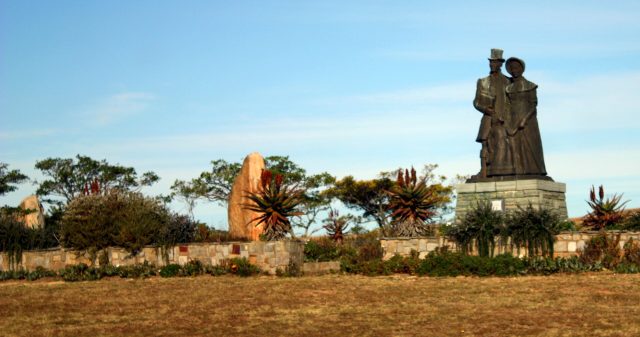
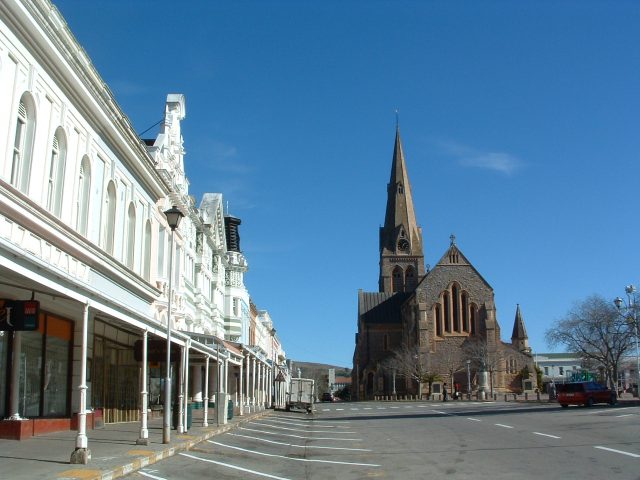
Grahamstown itself is a town with a distinct character. Founded in 1812 as a military fort, it was long a stronghold of British influence in the region. The streets are lined with colonial-era buildings, and Rhodes University, one of the oldest in South Africa, lends the town an academic air. The Victoria Theatre fits seamlessly into this setting. It’s not just a landmark but a living piece of history, a testament to how culture can endure despite the passage of time and political upheavals.
Visiting the Victoria isn’t just about catching a show. The foyer sometimes hosts small exhibitions by local artists, and the theatre’s archives hold old programs that tell the story of Grahamstown in their own way. Wander through the quiet corridors, and you might stumble upon faded photographs of actors who once performed here or yellowed posters of long-forgotten productions. Every detail feels like a fragment of a larger narrative, turning the theatre into something more than just a building—it’s a museum of sorts, where the past is always present.
Like many historic theatres around the world, the Victoria faces its share of challenges. Funding is scarce, competition from modern venues is stiff, and adapting to new realities isn’t easy. Yet, it persists. Locals don’t just come for the performances; they come to sit in the quiet, to reminisce, or to catch up with friends. In that sense, the Victoria’s greatest value lies in its ability to bridge the gap between history and the present, effortlessly weaving the two together.
If you find yourself in Grahamstown, take the time to step into the Victoria, even if there’s no show playing. You might be lucky enough to catch a rehearsal or an impromptu concert. But even if you don’t, the experience will leave you with something intangible—a sense of having touched something real, something that has stood the test of time. After all, there aren’t many places left where the past feels as alive as it does here.