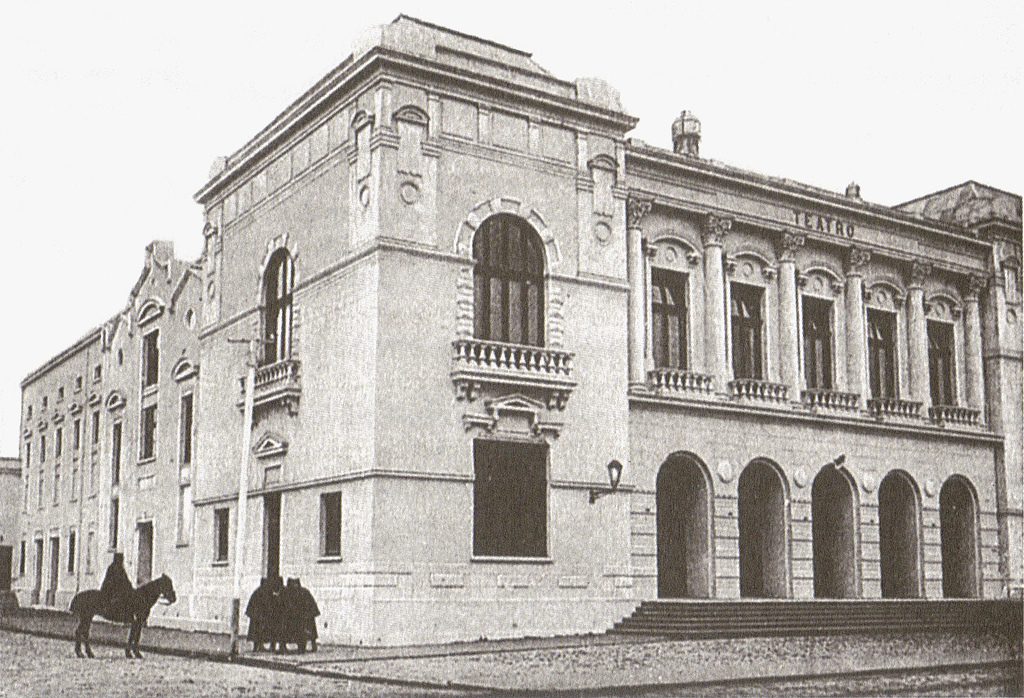
The University of Concepción Theater is one of those places that quietly becomes essential to a city without ever demanding attention. Built in the mid-20th century, it emerged during a transformative period for Concepción, a city reborn after the devastating 1939 earthquake. At the time, the University of Concepción—founded in the early 1900s—had already established itself as one of Chile’s leading academic institutions. The theater wasn’t just a performance space; it became a symbol of the university’s belief that art and scholarship could thrive side by side, shaping the city’s cultural identity in the process.
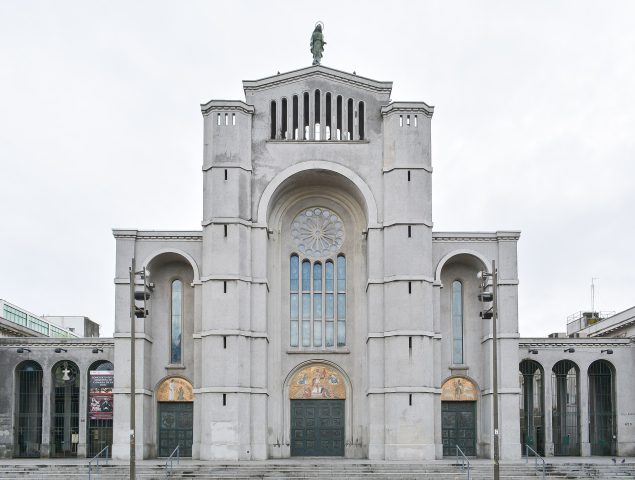
Unlike the grand opera houses of Europe or the lavish concert halls of Santiago, the theater’s architecture is understated. There are no ornate facades or gilded interiors—just clean lines, minimalist design, and a focus on function over spectacle. This simplicity gives the building its own kind of charm, suggesting that what matters most isn’t the grandeur of the walls but the experiences they contain. From the outside, it blends seamlessly with the university’s other mid-century structures, all of which share a quiet, thoughtful elegance. Inside, the space is designed to make every audience member feel connected to the performance, as if the distance between stage and seat doesn’t exist.
The theater’s modest size is one of its greatest strengths. With a main hall seating around five hundred, it strikes a balance between intimacy and scale. There’s none of the detachment that can come with larger venues, where performers and audience might as well be in different worlds. Instead, the atmosphere feels almost intimate, as if the actors are playing for a room of friends rather than a crowd. The foyer often hosts exhibitions by local artists, and between shows, you might hear spontaneous music—students jamming, visiting musicians improvising, or just the hum of conversation over coffee.
From the beginning, the theater was never meant to be an exclusive space. Its mission was to make culture accessible, not just to students but to the entire city. The programming reflects this ethos, blending classic works with contemporary plays, experimental performances, independent film festivals, and even science lectures that incorporate elements of theater. Collaborations with other universities and creative groups keep the repertoire fresh and unpredictable. It’s the kind of place that feels alive, responding to the city’s moods and the country’s shifting cultural landscape.
Concepción has a complicated history, and the theater has been a witness to much of it. In the 1960s, when student movements gained momentum across Chile, the theater became a hub for discussions and debates, its stage doubling as a platform for social issues. During the dictatorship, like many cultural institutions, it faced pressure but never stopped operating. Today, it remains a space where difficult conversations can happen—whether about environmental concerns, migration, or the preservation of cultural heritage. The theater doesn’t shy away from the topics that matter to the people of Concepción.
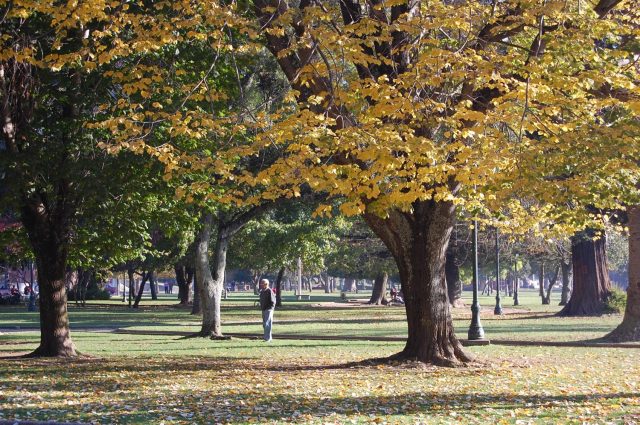
Architecturally, the theater is deeply connected to the university campus, which is worth exploring in its own right. The campus isn’t just a collection of buildings; it’s a carefully designed ecosystem. Wide avenues lined with mature trees lead to small plazas where students gather between classes. The theater sits at the heart of this environment, not because it’s the most visually striking structure, but because it’s central to daily life. Nearby, you’ll find the humanities faculties, the library, and student housing, all of which contribute to the theater’s role as a natural gathering place. Mornings might bring academic lectures, afternoons rehearsals, and evenings performances.
For many in Concepción, the theater is part of their personal story. Some first visited as children on a school trip, others for a concert by a favorite band, and some spent countless hours there preparing for their own performances. In a city shaped by industry and its port, the theater has long been a refuge for the arts—a place to step away from the everyday and lose yourself in something different. Yet it’s never disconnected from reality. The programming often reflects the region’s concerns, from the aftermath of earthquakes to the challenges faced by Indigenous communities or the future of Chilean theater itself.
Today, the University of Concepción Theater continues its quiet but vibrant existence. It’s not a tourist attraction, and that’s precisely why it works. There are no crowds snapping photos, just people who come for the art, the conversation, or the chance to see something unexpected. The seats may be the same, the walls unchanged, but every performance offers something new. That’s why it remains important—not just to the university, but to the city as a whole. It’s a place where culture isn’t just displayed; it’s lived, shaped by those who create it and those who keep coming back.