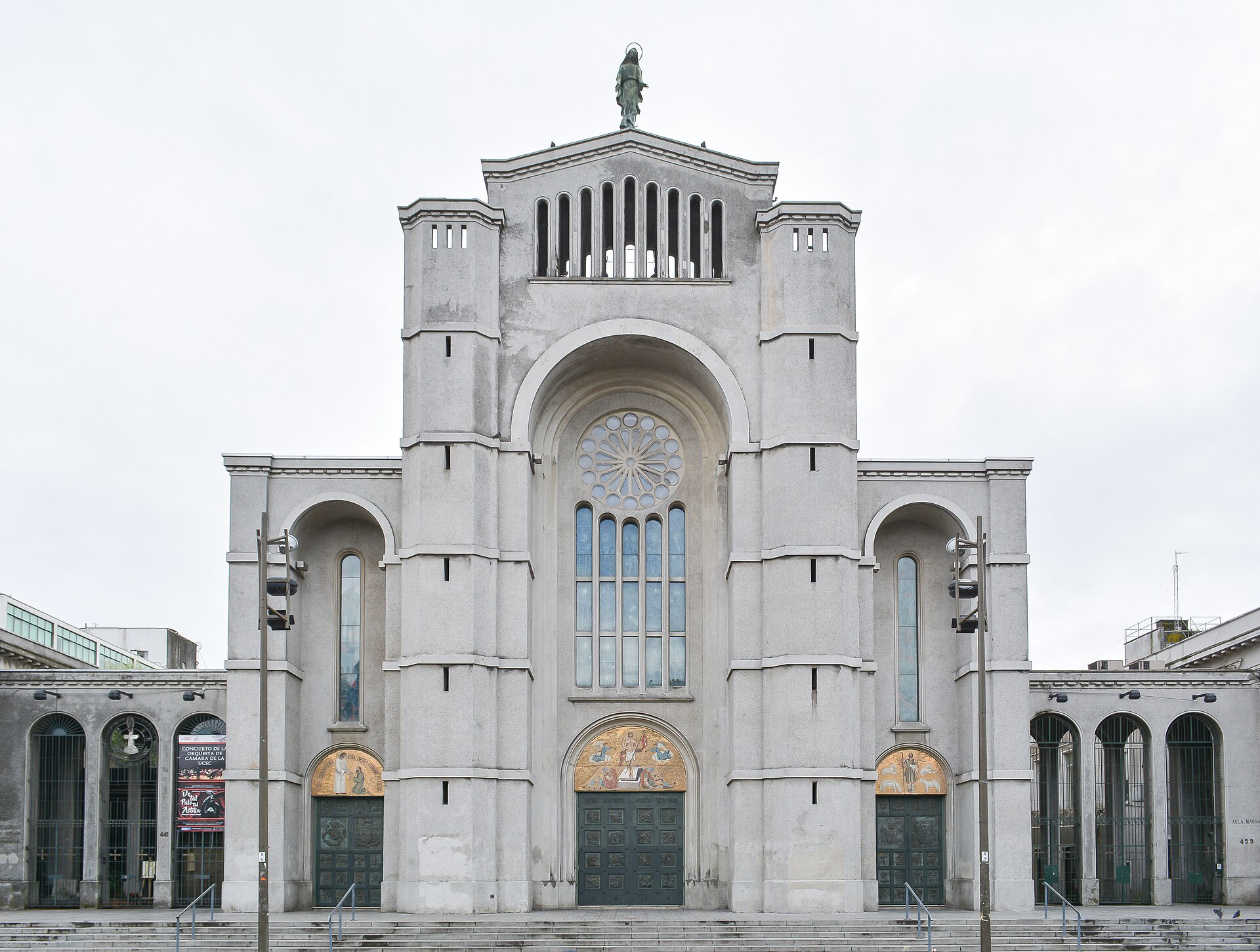
The Cathedral of the Immaculate Conception in Concepción doesn’t stand out immediately. It lacks the ornate facades or lavish decorations of many Latin American churches, and that’s what gives it its character. Located on Plaza de la Independencia, it blends into the cityscape at first. But walk closer, and you notice—this building holds more than just bricks and mortar. It has seen history unfold, surviving even the most destructive earthquakes.
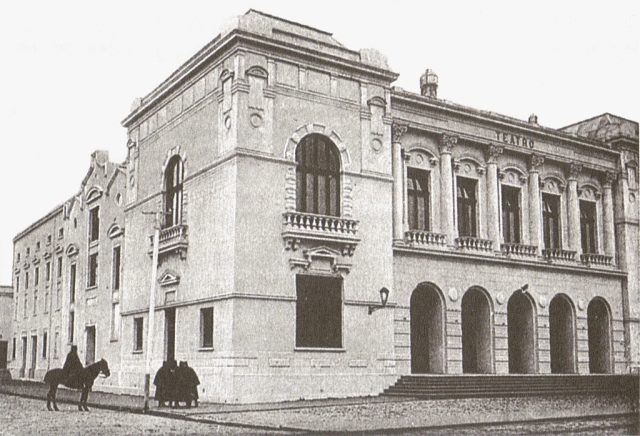
Concepción lies in a region where the ground shakes often. The city has faced countless tremors, each leaving scars not just on its people but on its buildings. The first cathedral here was built in the 16th century, soon after Spanish conquistadors founded the city. Back then, Concepción was a frontier outpost, and the church represented both faith and colonial power. By the 17th century, an earthquake had already destroyed it. Rebuilding took years, but the second cathedral didn’t last either—another quake in the 18th century left it in ruins.
The current structure appeared in the mid-20th century, designed by Chilean architect Hermano Larraín Errázuriz. His vision was different. He chose simplicity and functionality over tradition. The result is a sturdy, unadorned building with clean lines. The facade has a few bas-reliefs and narrow windows, letting in light without fuss. The main entrance is framed by a portico with columns, but even here, there’s no excess—just purpose.
Inside, the space feels different. High vaulted ceilings, supported by thick columns, create a sense of openness. Light filters through stained glass, casting gentle colors on the walls. The altar, made of pale stone, centers on the Virgin Mary. Small chapels line the sides, offering quiet spots for prayer. The interior isn’t crowded with decorations, but every detail—the wooden pews, the wrought-iron lamps—serves a purpose.
The cathedral isn’t just a place of worship. Organ concerts fill the space with music, and exhibitions of religious art or talks on local history draw visitors. The organ, one of Chile’s largest, fills the cathedral with sound. On holidays like Christmas and Easter, the church becomes a gathering place, with hundreds of people celebrating together.
It has also been a refuge. During earthquakes, its walls have sheltered the homeless, especially in 2010 when tremors destroyed much of the surrounding area. That event proved its strength—not just as a building, but as a symbol of the city’s resilience.
Today, the cathedral connects past and present. It recalls Concepción’s colonial days while fitting into modern life. Inside, you might see elderly worshippers at the altar, students on the pews, or tourists looking around. It isn’t a museum, nor does it shut out the world. It simply exists, as much a part of the city as the streets outside.
If you visit Concepción, don’t come just for photos. Stop by on a quiet weekday. Sit for a few minutes. You won’t find grandeur or elaborate frescoes, but you’ll feel something else—the quiet strength of this place. It ties you to a history that’s still unfolding. The Cathedral of the Immaculate Conception isn’t just a building. It’s part of Concepción’s story, one that continues no matter what changes around it.