The Natural History Museum of Concepción is one of those quiet places that reveal as much about a city as its busiest streets or grandest squares. Tucked away in the heart of the Biobío region’s capital, it occupies a building that has witnessed the passage of time, shifting from an early 20th-century administrative hub to a home for collections that reflect the region’s deep connection to its land and history.
Unlike the imposing museums of larger cities, this one doesn’t rely on spectacle. Instead, it invites visitors to notice the small, often overlooked details. The exhibits trace the region’s ancient past, from the fossilized remains of prehistoric creatures that once roamed these lands—giant sloths, marine reptiles—to the delicate specimens of local flora and fauna. There are taxidermied birds found only in these latitudes, pressed plants from the surrounding forests, and minerals unearthed from the Andes, each piece telling a story of a landscape shaped by time.
What makes the museum particularly engaging is its focus on education. It’s a place where science feels accessible, where school groups and curious visitors can learn about the forces that have shaped the region—why certain species vanished, how ecosystems adapt, and what it takes to protect what remains. Occasionally, researchers give talks, sharing insights into everything from geology to conservation, making complex ideas feel tangible. The museum doesn’t just display the past; it connects it to the present, showing how understanding history can help navigate the future.
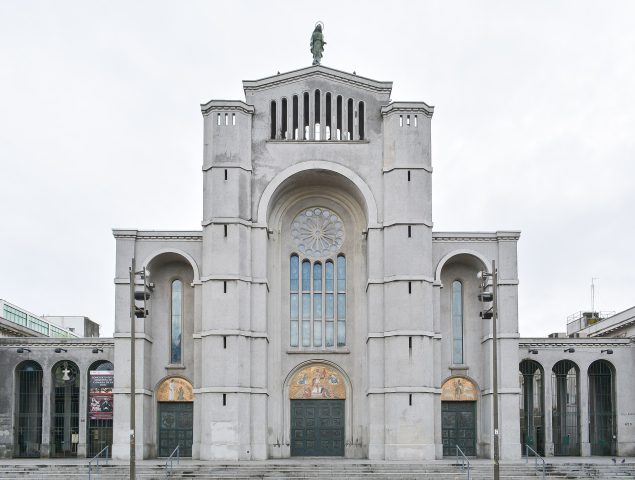
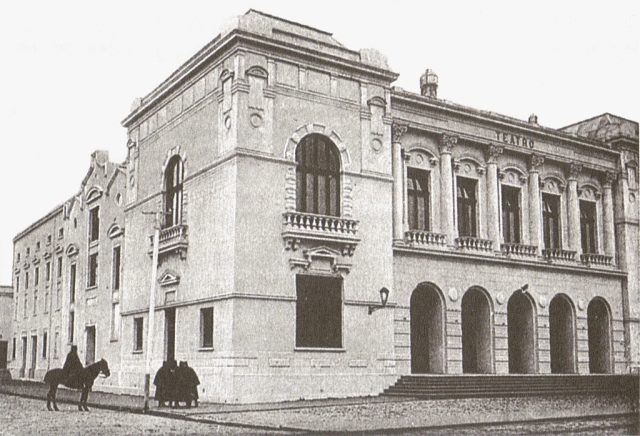
The building itself is part of the experience. Designed in a neoclassical style, it features high ceilings, large windows that flood the rooms with light, and interiors that retain the elegance of a bygone era—wooden panels, intricate moldings, and stained glass. Walking through its halls feels like stepping into another time, yet the exhibits keep the space firmly rooted in the present. Even the courtyard and façade offer a glimpse into Concepción’s golden age, when the city was a center of culture and progress.
For many locals, the museum is more than a tourist stop; it’s a place of personal significance. Generations have walked through its doors—some as children on school trips, others returning years later with their own kids to show them the same displays they once marveled at. The absence of crowds makes it easy to linger, to examine the details that might go unnoticed in a busier setting. There’s a quiet intimacy here, a sense that the museum exists as much for the community as for visitors passing through.
One of the most compelling sections of the collection focuses on the indigenous Mapuche people, whose history in this region stretches back centuries. The exhibits include everyday objects, tools, clothing, and jewelry, offering a glimpse into a way of life deeply intertwined with the land. These artifacts do more than document a culture; they remind visitors that the story of Concepción isn’t just one of geological epochs or colonial settlement, but of the people who lived here long before either. The museum makes a point of highlighting this connection, showing how nature and human history have always been inseparable.
In recent years, the museum has also begun to address contemporary issues, from climate change to biodiversity loss. Temporary exhibitions often tackle these themes, not with flashy displays, but with thoughtful presentations that encourage reflection. They ask difficult questions: What kind of legacy are we leaving? How can we protect what’s left of the natural world? These exhibits may not draw the same crowds as the dinosaur fossils, but their impact lingers, prompting visitors to see the region—and their own role in its future—in a new light.
A visit here offers more than just a lesson in history or science; it’s a chance to see Concepción differently. The city is often associated with industry and academia, but within these walls, its natural and cultural identity comes into focus. The museum serves as a quiet counterpoint to the hustle of urban life, a place where time slows down and the world feels a little more knowable. It’s a reminder that even in a modern city, there are spaces where the past isn’t just preserved—it’s alive, waiting to be discovered.