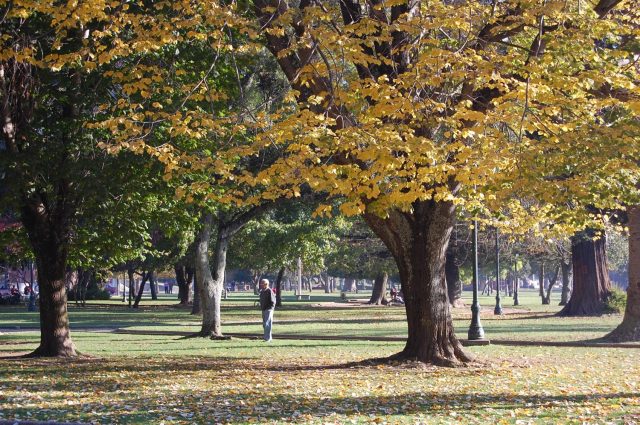
Plaza de la Independencia in Concepción is one of those places where the weight of history lingers in the air. It isn’t just the city’s geographical center—it’s a symbol of resilience, a space where the past and present coexist without pretense. The square took shape in the early 19th century, after an earthquake in 1835 nearly leveled Concepción. When the city was rebuilt, the plaza became its new heart, designed with wide walkways, manicured gardens, and fountains meant to evoke a sense of renewal. The layout was deliberate, a statement of order after chaos, and it has remained a gathering place ever since.
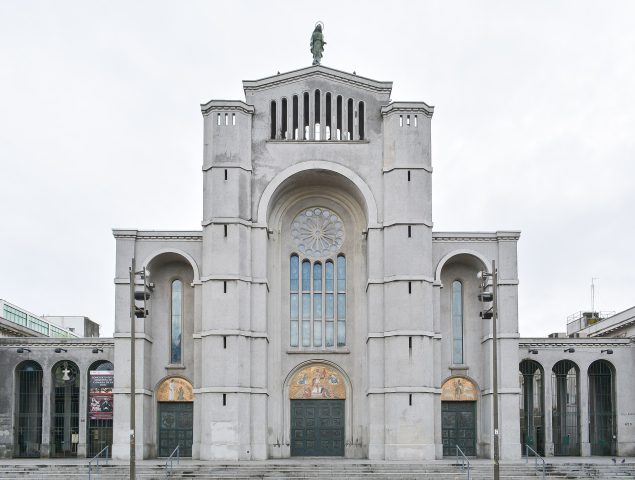
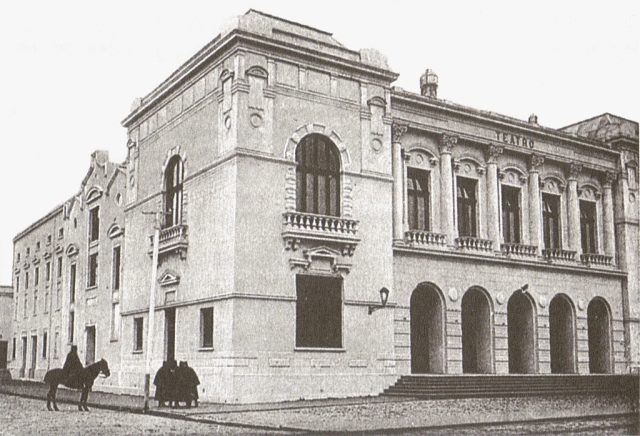
The architecture surrounding the plaza reflects the European influences that shaped Chile in the 19th century. French and Spanish styles dominated urban design at the time, and Concepción followed suit. The buildings here are mostly two or three stories tall, with high ceilings, wrought-iron balconies, and heavy wooden doors. Some facades are adorned with intricate stucco work, while others maintain a more restrained, classical elegance. The most imposing structure is the municipal building, its neoclassical columns and pediment lending the square an air of officialdom. Yet despite its grandeur, the plaza never feels stiff or overly formal—it’s too alive for that.
What makes Plaza de la Independencia special isn’t the architecture, though. It’s the way the city uses the space. On any given day, you’ll find students from the nearby university sprawled on benches with textbooks, retirees feeding pigeons, and children darting around the fountain. Street musicians play softly in the background, their melodies blending into the hum of conversation. On weekends, the plaza transforms into an open-air stage for everything from small concerts to political rallies. There’s no performance for tourists here—just the unfiltered rhythm of daily life.
The plaza’s history is deeply tied to Chile’s struggle for independence. In 1818, Concepción was where the country’s liberation from Spanish rule was first declared, though the official celebrations took place elsewhere. Over time, the square became an unofficial monument to that moment, a place where people gathered to voice their hopes and frustrations. In the 20th century, it was a frequent site of protests—labor strikes, student demonstrations, and public debates. Even after the devastating 1960 earthquake, which destroyed much of the city, the plaza was rebuilt, preserving its role as a space for dialogue and community.
Today, Plaza de la Independencia is neither a museum piece nor a tourist attraction. It’s a working part of the city, where locals come to meet, relax, or simply pass the time. There are no luxury hotels or high-end boutiques here, just a handful of cafés serving strong coffee and simple food. In the summer, artisans set up stalls selling handmade ceramics, wooden crafts, and traditional Chilean sweets. In winter, the wind sweeps through the square, but people still linger, wrapped in scarves, enjoying the crisp air. The plaza doesn’t try to impress—it just is.
Concepción isn’t a city that draws crowds of visitors, and Plaza de la Independencia isn’t the kind of place you’d travel across the world to see. That’s part of its charm. It doesn’t pretend to be anything other than what it is: a comfortable, well-loved space where life unfolds naturally. There’s no forced cheerfulness or polished veneer, just the quiet authenticity of a place that has seen generations come and go.
If you find yourself in Concepción, take a moment to sit on one of the benches. Listen to the conversations around you, watch the way the light falls on the old buildings, and imagine the stories they could tell. The plaza isn’t just a spot on a map—it’s a living piece of history, one that continues to be written every day. It’s the kind of place that reminds you why travel can feel meaningful: not because of grand monuments, but because of the small, unscripted moments that connect you to a place and its people.