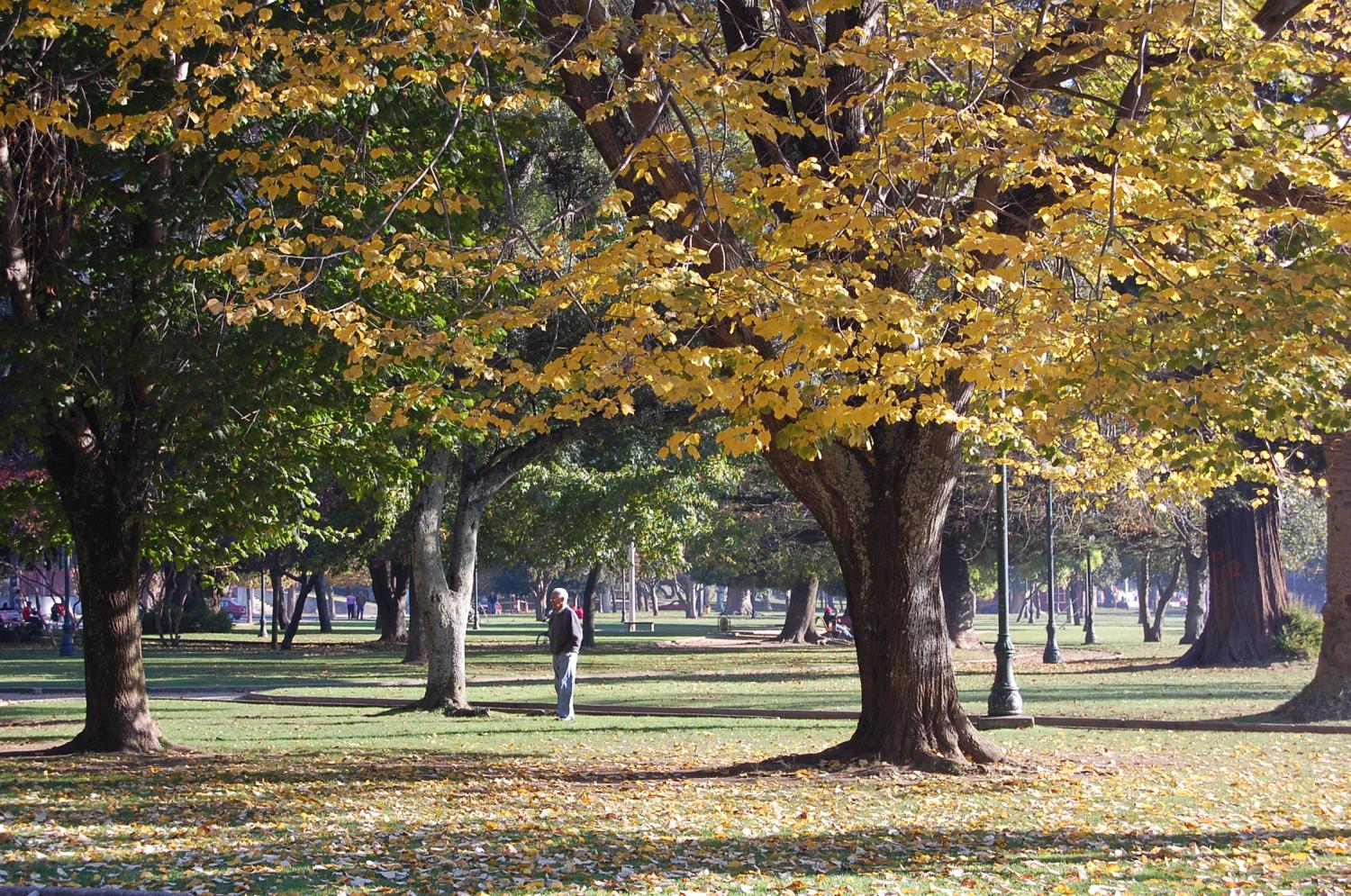
Perched on a gentle hill overlooking the Biobío River, Parque Ecuador is one of those rare urban spaces where the city’s hustle fades into quiet greenery. From its highest point, the view stretches across Concepción, the river’s wide expanse cutting through the landscape like a silver ribbon. There are no crowds here, no flashy attractions or vendors pushing souvenirs—just winding paths, towering trees, and benches where people linger to watch the sunset or keep an eye on children playing with their dogs. It’s a place where the rhythm of life slows, where the only agenda is to breathe in the fresh air and let the hours pass unnoticed.
The park’s origins are tied to Concepción’s turbulent history. Established in the early 20th century, it emerged during a period of rebuilding after devastating earthquakes had repeatedly reshaped the city. The name "Ecuador" isn’t a claim to proximity to the equator—though the latitude is close—but rather a nod to the era’s optimism, when green spaces were seen as both a refuge and a necessity. After the ground had stopped shaking, the city needed open areas where people could gather, not just for leisure but as a precaution against future disasters. Parque Ecuador became one of those vital breathing spaces, a patch of calm in a landscape still healing from upheaval.
The park’s design is unassuming, almost understated, but that simplicity is part of its charm. A central stone pathway, lined with mature trees, leads upward to a viewpoint where the city unfolds below. The lampposts along the walkways have a vintage feel, their ironwork reminiscent of a time when electric light was still a novelty in Chilean cities. At the summit stands a modest obelisk, a quiet tribute to those who envisioned the park. It doesn’t demand attention, blending seamlessly into the surroundings rather than overpowering them. The architecture here isn’t about grand gestures but about creating a space that feels natural, almost timeless.
Beyond its role as a green escape, Parque Ecuador serves as an informal cultural hub for the city. On weekends, the park comes alive with small concerts, open-air art exhibitions, and local festivals. Musicians set up on makeshift stages, their melodies drifting through the trees, while artists display paintings and sculptures under the dappled sunlight. In summer, the grassy clearings host impromptu theater performances or poetry readings, and in winter, craft fairs pop up, selling handmade ceramics, woven textiles, and carved wood. There’s no pressure to participate—just an open invitation to wander, sit, and soak in the atmosphere. The events feel organic, as if they’ve grown from the park itself rather than being imposed on it.
The vegetation here is a mix of native and introduced species, each adding its own character to the landscape. Eucalyptus trees, planted long ago to help drain the once-marshy ground, now tower overhead, their peeling bark and sharp scent a familiar presence. Magnolias bloom in spring, their creamy flowers filling the air with a sweet, almost vanilla-like fragrance. Smaller flowerbeds tucked beneath the trees change with the seasons—vibrant in summer, subdued in winter—while the grass stays lush year-round. The park isn’t manicured like a formal garden; it has a slightly wild, lived-in feel, as if nature and the city have reached a quiet understanding.
From the park’s highest point, the view of Concepción is one of the best in the city. The Biobío River stretches wide and calm, its surface reflecting the bridges that connect the two banks. On the opposite shore, the industrial district hums with activity, but from here, it feels distant, almost irrelevant. The city below appears peaceful, even sleepy, despite its size. As evening falls, the lights of Concepción begin to twinkle, their glow mirrored in the river below. On clear nights, the sky above is a deep, star-strewn canvas, and the city’s lights seem to merge with the heavens. It’s a view that makes the urban landscape feel almost poetic, as if the park is offering a moment of stillness before the day gives way to night.
What makes Parque Ecuador special is its unhurried pace. Unlike the busy streets of downtown Concepción, where people rush to work or school, the park moves to a different rhythm. Weekdays are quiet, with only a few visitors strolling the paths or sitting on benches with a book. Weekends bring more life—families picnicking on the grass, couples walking hand in hand, elderly locals feeding the pigeons, students sprawled out with notebooks. There’s no script here, no expectation of how to behave. People come to think, to talk, or simply to be alone with their thoughts. The park doesn’t demand anything; it just offers space.
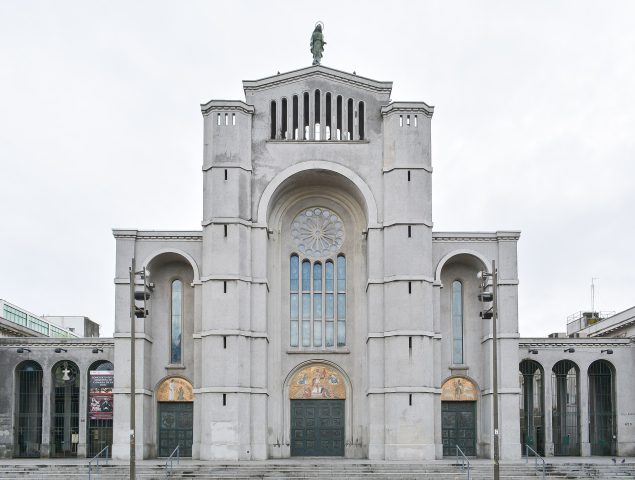
Despite being a favorite among locals, Parque Ecuador remains off the typical tourist trail. Visitors to Concepción are more likely to head to the central plaza or the cathedral, leaving this hilltop retreat to those who know it best. In some ways, that’s a blessing. The park hasn’t been polished for outsiders; it retains the easy, unselfconscious charm of a place where people come to live, not to perform. There are no photo ops staged for Instagram, no guided tours rushing through. It’s just a park—a good one, but not one that tries too hard to impress.
For the people of Concepción, Parque Ecuador is more than a green space; it’s a part of daily life. It’s where first dates happen, where families spread out blankets for picnics, where runners jog along the paths and children chase each other through the trees. Teenagers gather in small groups, laughing over shared jokes, while older residents sit on benches, watching the world go by. There’s nothing extraordinary about it, and that’s precisely why it matters. It’s a slice of real life, unfiltered and unpretentious. To visit Parque Ecuador is to see Concepción not as a collection of landmarks but as a city where people actually live—where the ordinary moments are just as important as the extraordinary ones.