In the quiet town of Sergiyev Posad, where history lingers in every cobblestone and ancient wall, there’s a place that thrives not on the weight of the past, but on the pulse of the present. The Teatr-Studiya "Teatralny Kovcheg" — or "Theatrical Ark" — is unlike any conventional theater. There are no grand velvet curtains or dusty backstage corridors here. Instead, it’s a space where art isn’t just performed but lived, where the audience isn’t merely an observer but an active participant in the unfolding story. The name itself carries meaning: just as Noah’s Ark preserved life, this theater preserves the essence of creativity, keeping it alive and unburdened by routine.
The story of the Theatrical Ark began in the late 1990s, a time when Russia was navigating uncertainty and art often struggled to find its place. A group of passionate individuals decided to create a theater free from commercial constraints and artistic clichés. They weren’t interested in blockbuster productions or celebrity names; what mattered was the raw, unfiltered process of creation. Over the years, the theater moved between different locations in Sergiyev Posad, but its core philosophy remained unchanged: theater should be alive, not a relic of the past. It was never meant to be a museum piece, but a living, breathing entity.
Today, the Theatrical Ark occupies one of the town’s older buildings, a structure that might once have been a workshop or a storage space. From the outside, it’s unassuming, blending into the quiet streets. But step inside, and you enter a different world. The performance space is intimate, almost like a small chamber, where the distance between actors and audience feels minimal. There are no elaborate sets or flashy special effects, but what you find instead is something rare in larger theaters: authenticity. The productions range from classic plays to contemporary works, often reimagined in unexpected ways. Some performances are improvised, others interactive, inviting the audience to shape the story alongside the actors.
Russian classics hold a special place in the theater’s repertoire. The company isn’t afraid to reinterpret Chekhov, Gogol, or Dostoevsky, not for shock value, but to reveal how timeless these stories truly are. A production of *The Cherry Orchard* might become a meditation on missed opportunities, resonating just as much with modern audiences as it did with those of Chekhov’s time. *The Government Inspector* could transform into a biting satire on bureaucracy, proving that some human follies never change. The actors here aren’t stars in the traditional sense; they’re people who live and breathe theater. Many have been with the company since its early days, and their dedication is palpable in every performance. There’s no detachment, only a shared passion for the craft.
Beyond performances, the Theatrical Ark hosts workshops and creative gatherings. These aren’t stiff lectures but open conversations where anyone can discuss the craft of theater, learn how a production comes together, or even try their hand at directing. For many locals and visitors, these sessions are a revelation, showing that theater isn’t just entertainment—it’s a discipline that demands skill, courage, and heart. The workshops for children and teenagers are especially popular, offering young people a chance to overcome stage fright, experiment with improvisation, and express themselves through art.
The atmosphere at the Theatrical Ark is remarkably warm and unpretentious. There’s no dress code or formal etiquette—come as you are, as long as you’re comfortable. After performances, the small foyer often becomes a gathering place for tea and conversation, where actors and audience members discuss what they’ve just seen. It’s easy to forget you’re in a theater at all; it feels more like visiting old friends, where everyone knows each other and the conversation flows naturally. This informality doesn’t diminish the artistry on stage; if anything, it makes it more meaningful. Here, theater isn’t something distant or untouchable—it becomes a part of your own experience.
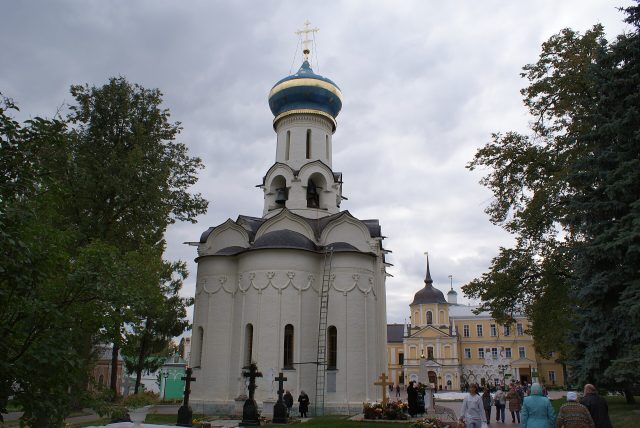
Sergiyev Posad itself has a theatrical soul. The town is steeped in history, and history, after all, is just a series of dramas, comedies, and tragedies. The golden domes of the Trinity Lavra of St. Sergius, the ancient monastery walls, the quiet streets—all of it creates an atmosphere where theater isn’t just entertainment but a necessity. The Theatrical Ark fits seamlessly into this setting. It doesn’t compete with the grandeur of the cathedrals or the solemnity of the museums; instead, it complements them, showing that art can be many things—elevated or earthy, humorous or profound.
The theater doesn’t chase fame or commercial success. Its mission is simpler and more challenging at the same time: to remind people that art isn’t confined to big cities, that it can be accessible and relatable without losing its depth. There’s no room for indifference here. You might leave inspired, or you might leave deep in thought, but you won’t leave unmoved. Perhaps that’s why the Theatrical Ark has endured through decades of change, staying true to its original vision.
If you find yourself in Sergiyev Posad, don’t rush straight to the main attractions. Take a moment to visit this small theater. You won’t see a grand spectacle, but you’ll experience something far more valuable: art that exists not for show, but for the soul. And you might just find yourself wanting to return, to once again lose yourself in its unique blend of creativity and sincerity.