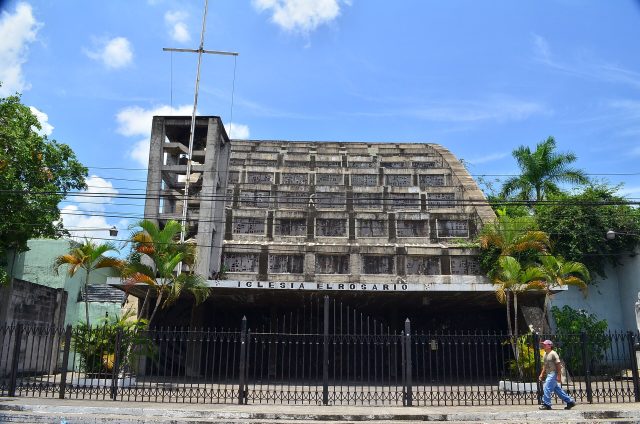
São Vicente’s Teatro São Vicente stands as it did a century ago, its walls holding the echoes of an earlier time. Built in the early 1900s, it was more than a structure—it marked the town’s cultural rise during a prosperous era. Coffee wealth shaped São Vicente then, and its elite wanted sophistication. The theater became their gathering place, where people came not just for shows but to feel part of something larger.
The neoclassical facade gives way to high ceilings and large windows that soften the light inside. Wooden balconies curve with carvings, and the auditorium’s original seats bear the marks of decades. The space is small, unlike the grand theaters of the capital, and that makes it feel personal. Here, every detail carries history. Performances once drew crowds—local acts, troupes from San Salvador, even occasional international artists. Today, the seats stay empty, but the building remembers.
The civil war changed everything. Cultural spaces suffered, and Teatro São Vicente was no exception. It became storage, offices, even shelter. Yet even then, it never lost its pull. Locals treated it as a living piece of their past, and the walls seemed to hold onto the sounds of old performances.
Now, the theater is mostly a museum. Visitors see faded playbills, photographs of performers, and costumes that hint at past stories. Sometimes, small concerts or poetry readings bring it back to life, but these moments are rare. The building still stands on a central street, its weathered facade drawing glances from passersby.
For São Vicente’s residents, the theater is more than stone and wood. Older generations remember childhood trips to see plays or their first time on stage. Younger ones see it as a link to history, a place where the past feels close. That’s what makes such places matter—they connect people across time.
The paint is chipped, the doors creak, and the steps are worn. But these signs of age don’t weaken its presence. Unlike polished tourist sites, Teatro São Vicente feels real, as if it still breathes. Its best days may be over, but its soul remains.
If you visit São Vicente, stop by. Walk through the empty auditorium. Touch the balcony railings. Imagine the music and applause that once filled the space. You might catch a rehearsal or an exhibition, and the past will feel close. Even if it’s quiet, the building speaks. Some places don’t need spectacle to leave a mark—they just need to be seen.