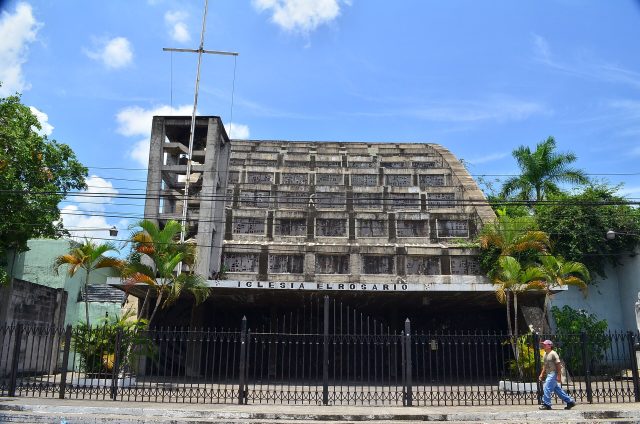
São Vicente moves at its own pace, past lingering in quiet corners. The Antiguo Casino Park is one of those places where history feels tangible because time has settled here like dust on an old bookshelf. Tucked in the heart of the city, it doesn’t demand attention. It waits, offering something different to those who notice.
The building
The structure that names the park was built in the early 1900s, when São Vicente rode a coffee boom. The city shed its colonial skin for ambition. The casino became a symbol of that era—a gathering spot for landowners, merchants, and politicians. They met not just to gamble but to signal prosperity. The architecture blended neoclassical elements with the colonial style of Central America. High ceilings, tall windows, and facades with plasterwork gave the building an air of elegance, a nod to the tastes of its patrons.
By the mid-20th century, gambling faded. The space became a cultural hub, hosting concerts, exhibitions, and community events. Over the years, the area around it grew into a park. Trees planted decades ago now tower overhead, their branches forming a canopy that shades from the tropical sun. Paths of worn tiles wind past fountains and benches. Visitors sit and watch the world go by. The rustle of leaves and the distant hum of the city create a rhythm.
Today, the Antiguo Casino building stands as a relic. Its exterior holds onto wrought-iron balconies, window grilles, and old-fashioned lampposts. Inside, it occasionally hosts temporary exhibitions or small concerts. More often, its doors stay closed. The park, though, is alive. Locals escape the heat here. Children play on the grass. Elderly residents gather in the mornings for exercise. On weekends, the square in front sometimes fills with music. Couples sway to live bands.
A shared secret
São Vicente doesn’t draw crowds of tourists. That’s what makes the Antiguo Casino Park special. There are no souvenir stalls, no guided tours, no rush. Instead, there’s quiet. You can sit on a bench and listen to the birds. You can watch families stroll by in the evening light.
The park feels like a place where the city’s history isn’t confined to plaques or museums. It lives in the air.
The story of the park ties to São Vicente’s. Founded in the 16th century, the city was a modest colonial settlement. In the 19th century, coffee changed everything. Wealth flowed in. New buildings rose. Paved streets appeared. The casino was one of those additions, a symbol of the city’s aspirations. It was a place where the elite gathered, not just to gamble, but to see and be seen, to affirm their place in a changing world.
Now, as São Vicente grows, the park stands as a reminder. Modern buildings rise around it. Cafes and shops open. But the park remains a pocket of another time. For locals, history isn’t something to study. It’s something to feel. You don’t need a guidebook. Sit on a bench. Close your eyes. Imagine a night when the air was filled with music and laughter.
For travelers who find it, the park might not make postcards. No cathedrals. No ruins. No grand narratives. What it offers is quieter, more personal. A place to slow down. Watch light filter through trees in the late afternoon. Listen to locals as they pass. If you’re lucky, you might catch a festival or a gathering. Even if you don’t, the park lingers in memory. It doesn’t reveal itself all at once.