Riobamba’s theater stands in the city center, its walls holding stories of performances and gatherings from over a century ago. It wasn’t built to be just another building—it was meant to be a place where people could experience something beyond the ordinary.
The early 1900s were a time of change for Riobamba. The city was expanding, and with it came new ideas about art, architecture, and community. The theater was part of that shift. Its design borrowed from European styles but adapted them to local tastes. The result was a space that felt both familiar and unique, a place where audiences could lose themselves in a play or concert.
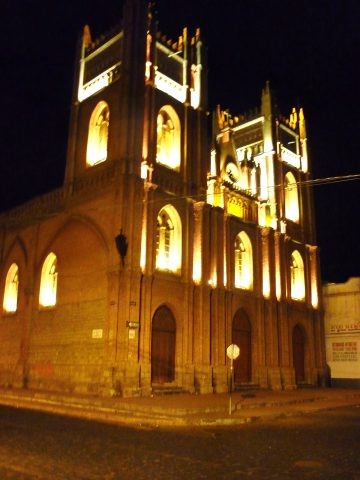
The facade hints at its European influences, but the details inside reveal its Ecuadorian roots. High ceilings allow voices to carry, while large windows let in natural light that softens the room. The main hall, though quieter now than in its prime, still holds the memory of packed crowds and standing ovations.
Like many theaters, its role has changed over time. By the mid-20th century, live performances gave way to film screenings. For a while, it even served as storage. But Riobamba refused to let it fade away. In the 1980s, restoration work brought it back to life, and today it hosts plays, concerts, and festivals.
Before television and the internet, theaters were one of the few places where people could experience culture beyond their immediate world. Here, audiences heard European classics, local poetry, and operatic performances. It wasn’t just about entertainment—it was where ideas were shared, debates happened, and sometimes, where lines were crossed. Even now, when options for entertainment are endless, people still come for the atmosphere, the kind you don’t get in a modern multiplex.
You might walk past it without noticing.
It doesn’t call attention to itself with bright signs or flashy displays. Instead, it waits, tucked between shops and cafes, offering something real to those who take the time to look.
Inside, the details tell their own story. The wooden railings are worn smooth by decades of hands. The floorboards creak underfoot. Faded posters on the walls hint at performances long past. Even when the seats are empty, the theater feels alive. Occasionally, guided tours share stories of the performers who stood on its stage, the audiences who filled the seats, and the quiet moments before the curtain rose.
The Teatro Riobamba isn’t just a building. It’s a reminder that some places hold more than bricks and mortar—they hold memories. In a city that’s always changing, it offers a connection to what came before. It doesn’t need to be the center of attention to matter. It just needs to be there, waiting for the next person who walks through its doors.