Sucre Square in Riobamba is the kind of place where the city unfolds at its own unhurried pace, like the pages of a well-worn book. There’s no rush here, no crowds of tourists chasing the next photo opportunity. Instead, the square offers the quiet rhythm of a provincial Ecuadorian town, where every cobblestone and building seems to carry the weight of history. Riobamba may not be the most famous stop on Ecuador’s tourist trail, but during the colonial era, it was one of the region’s most important centers, and Sucre Square was its heart—the point around which everything else was built.
The architecture here is classic of Spanish colonial towns: low two-story buildings with wooden balconies, their pastel facades softened by time, and red-tiled roofs that sag slightly under the years. At the center of the square is a small park with neatly trimmed hedges and benches where locals sit in the shade of trees, watching the world go by. The statue of Antonio José de Sucre, the independence hero after whom the square is named, stands quietly among them. The figure is modest in size but commanding—a general gazing over the city with a thoughtful expression, as if recalling the days when Riobamba was a key stronghold in the fight for freedom.
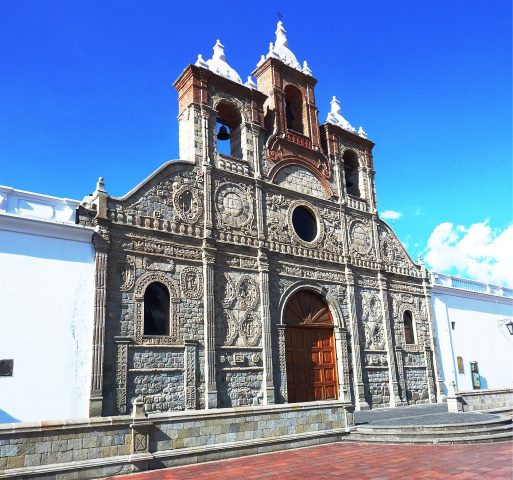
The square dates back to the early 16th century, when the Spanish founded the town as Villa de Riobamba. Its location was strategic, lying along trade routes that connected Quito to the south, the coast, and Peru. The town has endured its share of hardship, particularly the devastating earthquake of 1797, which leveled much of Riobamba and forced its reconstruction. Yet the square endured, though its appearance changed over time. Today, its architecture is a blend of colonial influences and later styles, with Baroque facades standing alongside neoclassical buildings from the 19th century.
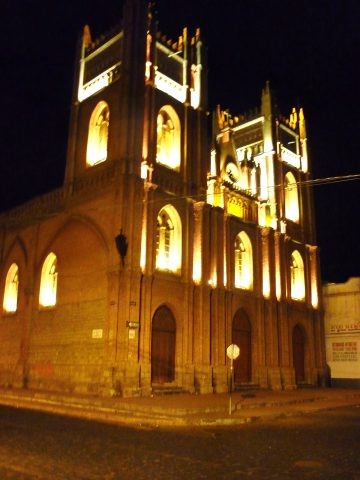
Surrounding the square are the city’s most important administrative and civic buildings. The municipal government offices, an old cathedral, and a handful of cafés and small shops line its edges. On weekends, the square comes alive with farmers from nearby villages selling fresh produce, cheese, and handmade goods. Street musicians strum guitars, filling the air with simple melodies, while the scent of grilled meat and spices drifts between the stalls. Teenagers gather near the fountain, chatting or practicing skateboard tricks, adding a touch of youthful energy to the scene.
One of Riobamba’s defining features is its altitude. At nearly 2,750 meters above sea level, the air is thin, and even when the sun is out, its warmth feels gentler than on the coast. Sucre Square is the perfect place to sit and soak in the atmosphere without hurry. Mornings are quiet, with elderly locals feeding pigeons and vendors setting up their stalls. By midday, schoolchildren rush past on their way to class, and office workers duck into cafés for a quick coffee. As evening falls, the square is bathed in the soft glow of streetlights, and the shadows stretch long across the cobblestones. Conversations grow quieter, and the pace of life slows even further.
Riobamba isn’t like Quito or Cuenca, with their polished tourist infrastructure and international dining scenes. There are no luxury hotels or high-end restaurants here, but what the city lacks in glamour, it makes up for in authenticity. Sucre Square isn’t just a landmark; it’s a place where the city lives and breathes. During local festivals, like Independence Day or religious celebrations, the square transforms. It’s decorated with flowers and flags, and parades wind through the streets, accompanied by music and dancing. These moments offer a glimpse into the traditions that still shape daily life in Riobamba.
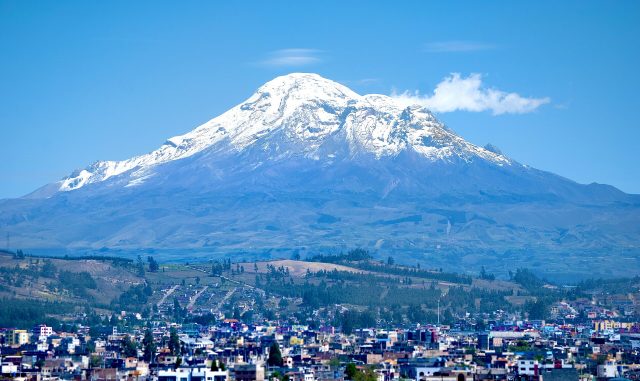
For visitors, Sucre Square is often the starting point for exploring the city. From here, it’s easy to wander down narrow side streets, visit small museums, or head to the market, where vendors sell everything from fresh pineapples to traditional medicinal herbs. If you climb one of the nearby hills, the view opens up to the surrounding landscape, with the towering peaks of Chimborazo—Ecuador’s highest volcano—and Carihuairazo visible on clear days. Their snow-capped summits stand in stark contrast to the warmth of the square below.
Time moves differently in Sucre Square, as if the hours themselves have settled into the rhythm of the city. There’s no need to plan or rush; just arriving and letting the place reveal itself is enough. That’s perhaps the square’s greatest charm—the absence of haste, the chance to experience the unfiltered pulse of an Ecuadorian town where history isn’t just preserved in museums but woven into the fabric of everyday life.