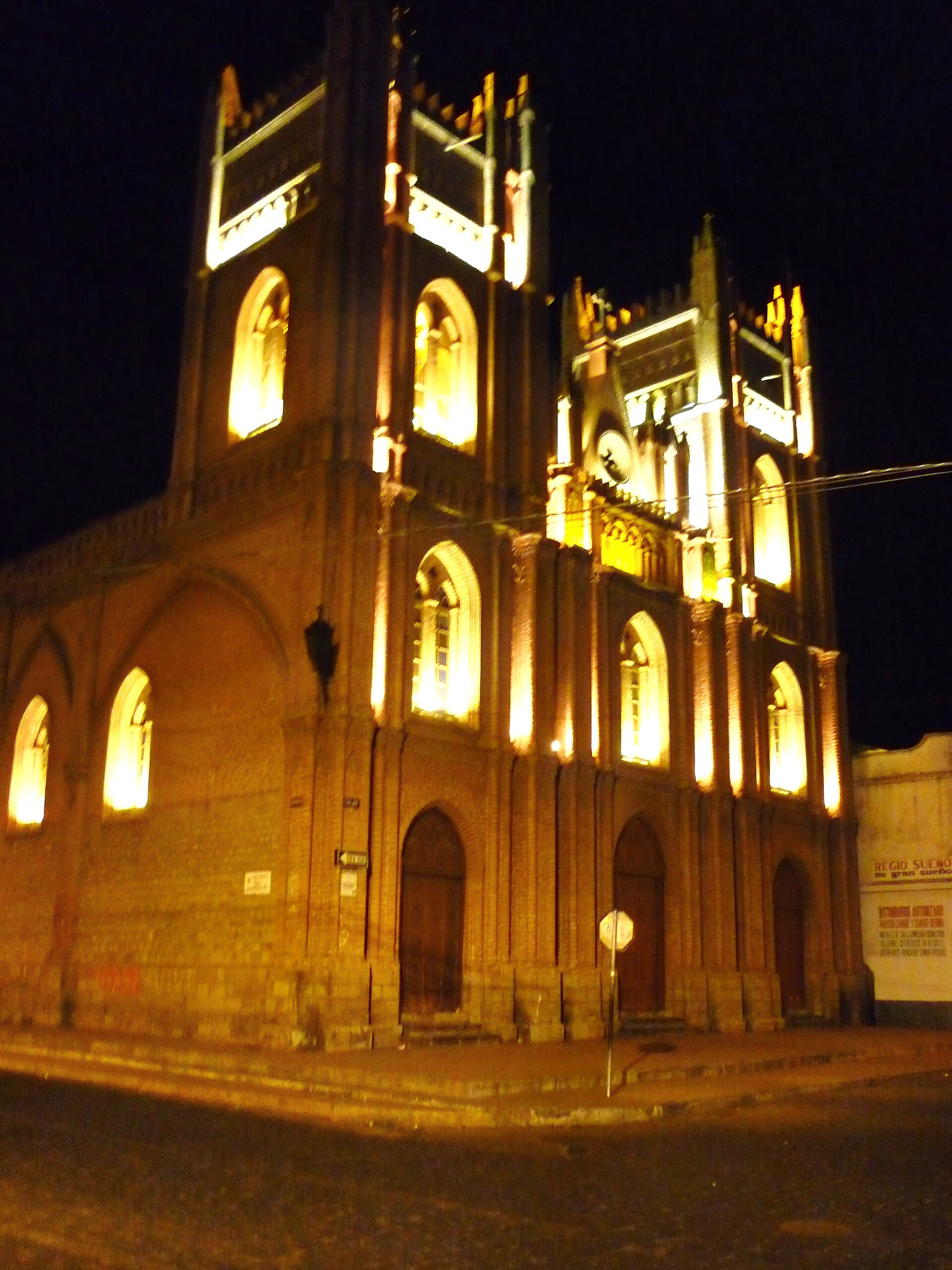
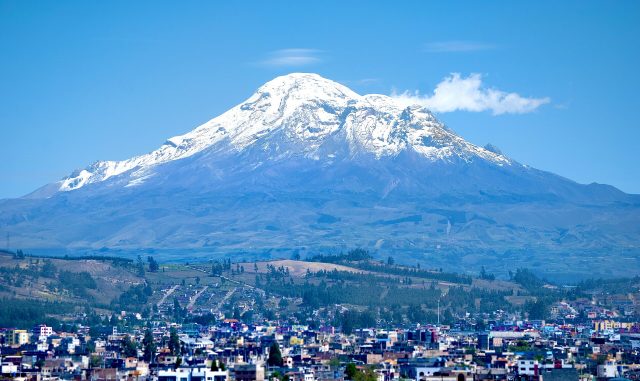
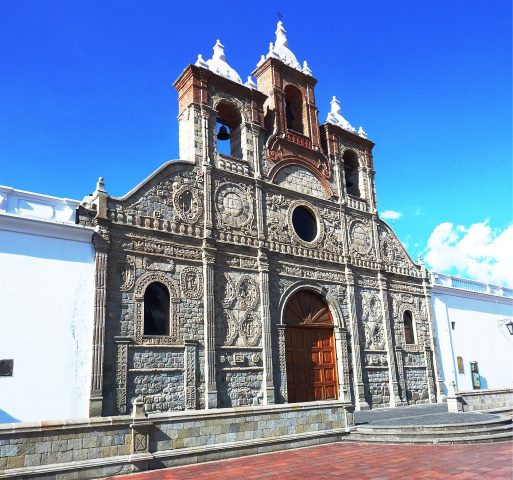
Riobamba is one of those places travelers often overlook, rushing instead toward Ecuador’s more famous destinations—the towering volcanoes or the dense Amazon rainforest. But here, in the heart of the Andean highlands, time moves differently. The streets are quiet, lined with low-slung colonial houses and plazas where vendors sell fresh fruit in the mornings. Among them stands La Concepción, a church that doesn’t demand attention like the grand cathedrals of Quito or Cuenca.
Built in the late 18th century, La Concepción was part of Riobamba when the city was a key stop on the trade route between Quito and Guayaquil. The city has always existed in the shadow of earthquakes, and many of its buildings have been rebuilt more than once. La Concepción has endured these tremors, too, each time restored to its original form. Its thick walls of volcanic stone and simple facade show how people adapted to life in the Andes.
The nave is spacious, with wooden beams overhead and an altar gilded in gold. The carved wooden panels blend European influences with indigenous motifs. The craftsmanship reveals how artisans interpreted old traditions in new ways.
La Concepción hasn’t always been a place of worship. During the 19th-century wars for independence, it was used as a barracks and storage space. Later, when liberal reforms swept through Ecuador, there were attempts to close it down. The community resisted, and the church remained open. Today, Sunday masses still draw locals who gather in the plaza afterward, some for prayer, others to talk over coffee.
What makes La Concepción different is the lack of crowds. You can sit on one of the wooden pews, studying the old icons or listening to the echo of footsteps on the stone floor. Schoolchildren visit on field trips, their voices hushed but lively, notebooks rustling as they take notes. The past feels close here, woven into daily life.
The church is part of Riobamba’s rhythm. In the mornings, the plaza outside fills with market stalls selling flowers, candles, and fresh bread. By midday, the vendors pack up, and the square empties. In the evening, families take their walks. La Concepción watches over it all.
If you find yourself in Riobamba, wander the streets. Stop in a café for llapingachos—potato pancakes topped with cheese and peanut sauce. Then step inside La Concepción. You won’t find world-famous art or dramatic architecture, but you might notice how the city carries its history lightly. It holds onto the quiet faith that has sustained it for centuries.