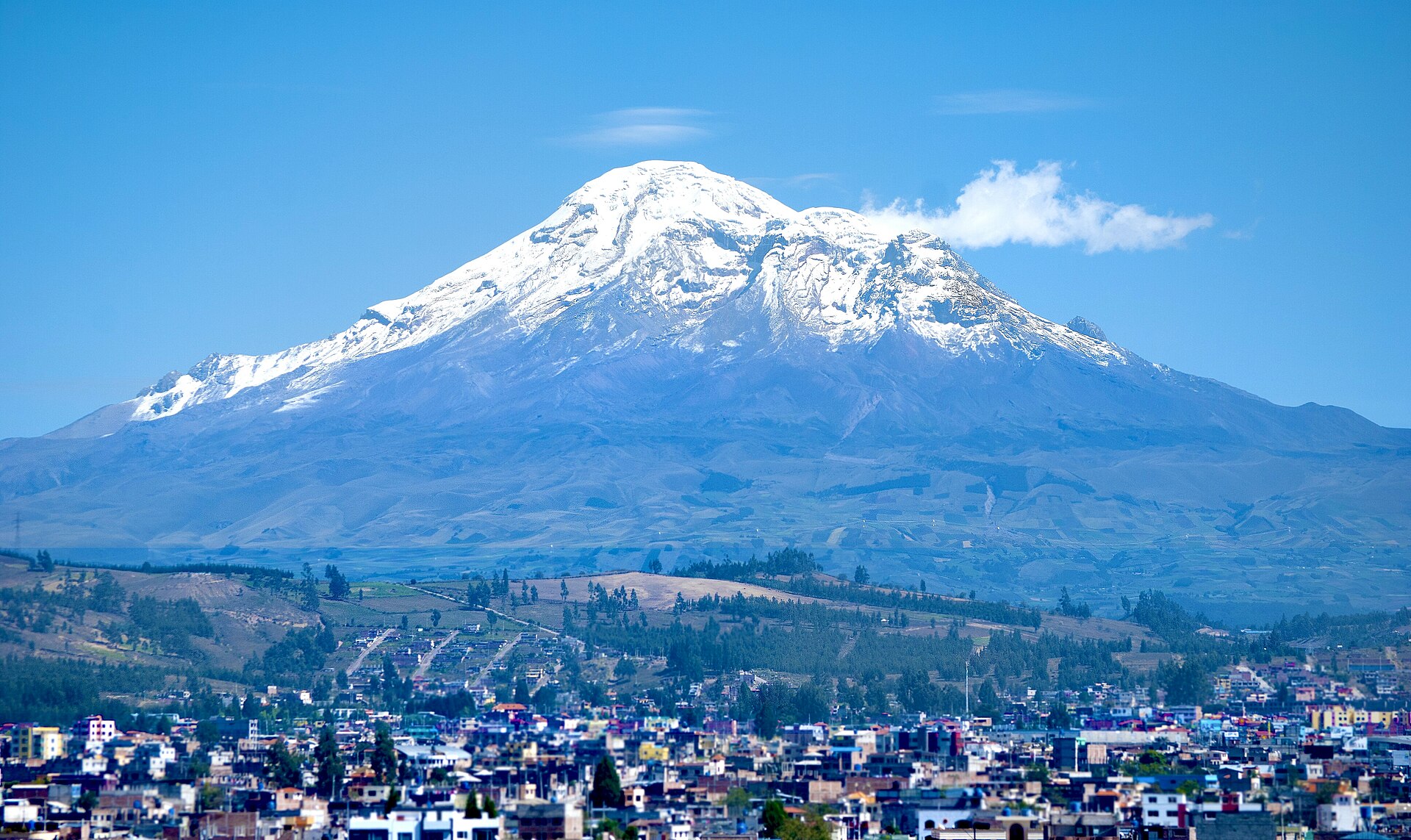
Chimborazo isn’t just a mountain—it’s a symbol of Ecuador, a silent giant standing watch over the Andes as the centuries pass. Its snow-capped peak holds a unique distinction: it’s the farthest point from the Earth’s center, even though it doesn’t claim the title of the world’s highest mountain above sea level. This quirk of geography comes from the planet’s equatorial bulge, which places Chimborazo’s summit farther from the core than any other peak. For the people of Ecuador, especially the indigenous Kichwa communities, the mountain has always been sacred—a living embodiment of nature’s power and a deity that sustains life.
The journey toward Chimborazo’s summit is a passage through shifting landscapes. Lush valleys give way to stark high-altitude deserts, which then yield to glaciers and ice fields. The first attempts to climb the mountain date back to the 19th century, but for decades, its thin air, unpredictable weather, and steep slopes kept it out of reach. Even now, reaching the top demands experience and preparation, though you don’t need to be a mountaineer to appreciate its grandeur. From the surrounding hills or the streets of Riobamba, the mountain looms with a quiet, unshakable presence, its slopes changing color with the light.
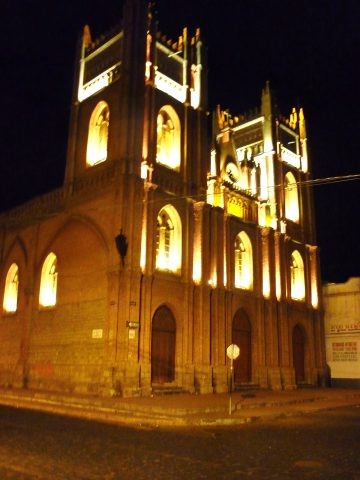
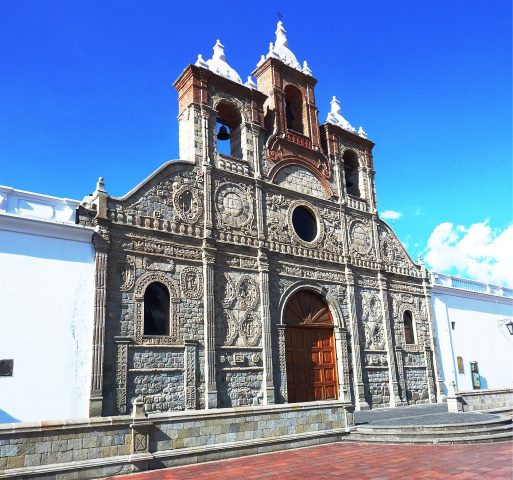
Riobamba, the city nestled at Chimborazo’s base, is often called the cradle of Ecuador’s independence. It was here, in 1830, that the country’s first constitution was drafted, and the city’s colonial-era churches and plazas still carry echoes of that history. Beyond its political significance, Riobamba serves as a gateway to the region’s natural wonders. From here, it’s easy to explore Sangay National Park, where Chimborazo shares the landscape with other volcanoes and a rich diversity of Andean wildlife. The park’s trails wind through valleys where vicuñas graze and rare high-altitude plants cling to life in the thin air.
Chimborazo is wrapped in myths that blur the line between legend and history. One story tells of a creator god who shaped the world from the mountain’s ice and snow. Another speaks of giants who once roamed its slopes, their footprints still visible in the rock formations. Scientists, including Alexander von Humboldt, have long been drawn to its mysteries, yet many questions remain unanswered. Even the date of its last eruption is debated, though it’s widely considered dormant. The mountain’s past feels alive in these stories, passed down through generations, as if the land itself remembers.
For those who come not for the climb but for the experience, Chimborazo offers more than just scenery. Its lower slopes are home to herds of llamas and alpacas, their thick wool a testament to the harsh climate. The valleys bloom with hardy plants adapted to the altitude, while local farmers cultivate potatoes and quinoa, their flavors deepened by the mountain’s unique conditions. Travelers can stay in small guesthouses or with local families, where meals like *locro de papa*—a hearty potato and cheese soup—or *cuy asado*, roasted guinea pig, offer a taste of Andean tradition. The food here is simple but rich, grown in soil nourished by volcanic ash.
Climbing Chimborazo is as much a cultural journey as a physical one. Along the route, small shrines and chapels dot the landscape, where herders and mountaineers leave offerings to the mountain’s spirits. These rituals stretch back to pre-Inca times, when Chimborazo was revered as a deity in Andean cosmology. Even today, many locals treat the mountain with deep respect, believing it to be a living force that can bless or punish. The traditions feel timeless, as if the mountain itself is watching over those who walk its slopes.
The weather on Chimborazo is as unpredictable as the stories told about it. A clear morning can turn into a blizzard within hours, making every ascent a gamble. Most climbers start their journey before dawn, hoping to reach the summit by sunrise, when the first light paints the snow in shades of pink and gold. From the top, the view is staggering—on a clear day, you can see other Ecuadorian volcanoes stretching into the distance, and sometimes even the faint outline of the Pacific Ocean. The air is thin, the silence profound, and the sense of isolation complete.
Chimborazo is a place where nature and history intertwine so tightly that they become one. It’s a reminder of how fragile and resilient the world can be—a mountain that has witnessed the rise and fall of civilizations, yet stands unchanged. For some, it’s a challenge; for others, a source of awe. But for everyone who encounters it, whether from the summit or the foothills, Chimborazo leaves an impression that lingers long after the journey ends. It’s not just a destination; it’s a feeling that stays with you, as enduring as the mountain itself.