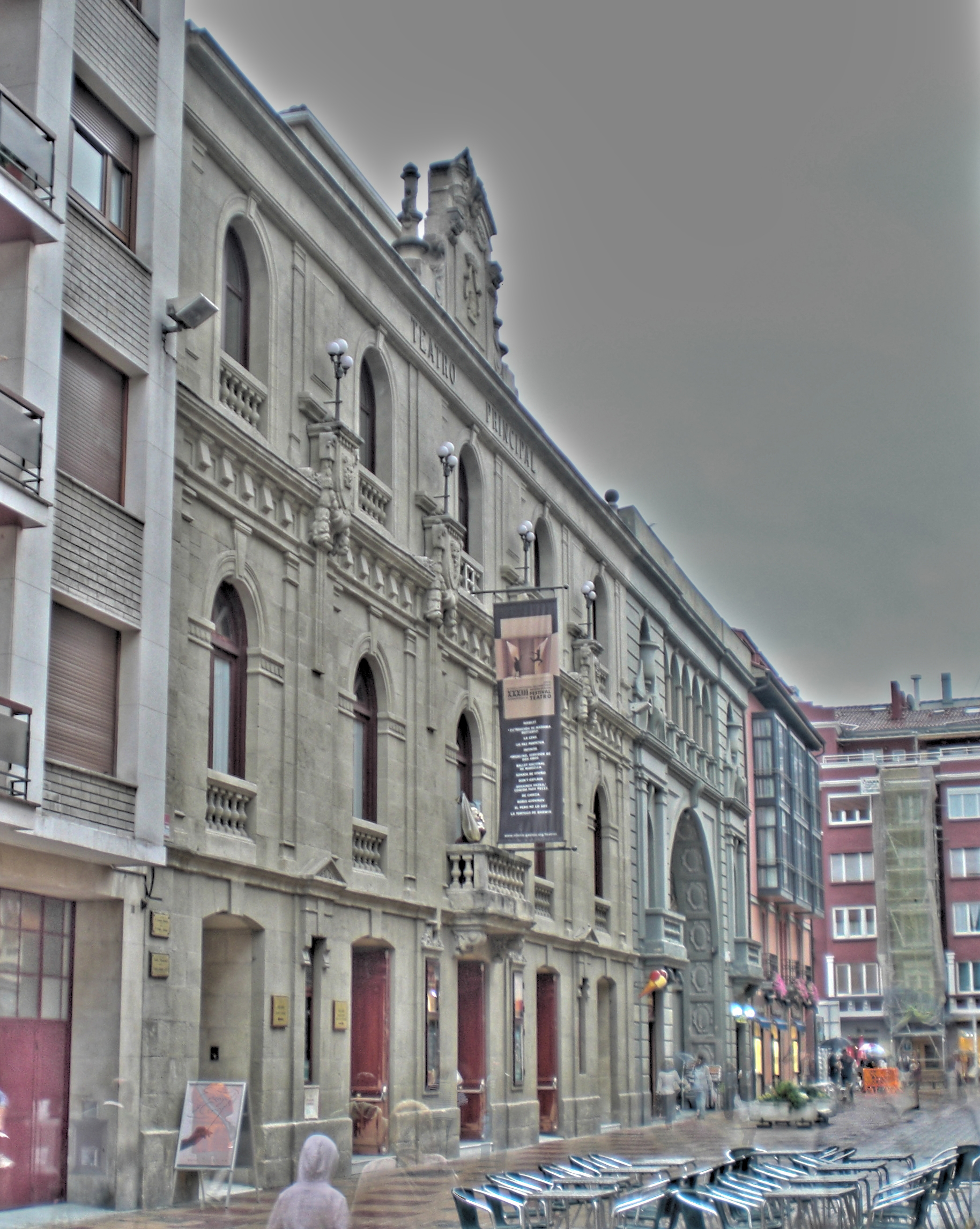
The Principal Theatre in Vitoria-Gasteiz is one of those rare places where time seems to stand still, preserving the spirit of a bygone era. Built in the mid-19th century, it wasn’t just a venue for performances but the cultural heart of the city. Its story begins in 1822, when a group of local patrons and art enthusiasts decided to create a permanent stage for theatrical productions. At the time, Vitoria-Gasteiz was a small but vibrant city with a thriving cultural scene, and the theatre became its natural extension.
The architecture of the Principal is a classic example of 19th-century theatre design. The façade is adorned with columns and intricate stucco work, while the interior features a spacious auditorium with balconies and private boxes, once frequented by the local elite. The decor is lavish yet restrained—gilded accents, velvet drapes, and elegant chandeliers create an atmosphere of grandeur without overwhelming the senses. The stage itself is particularly impressive, designed with careful attention to acoustics, allowing music and voices to resonate beautifully even today.
Over its long history, the theatre has undergone several renovations. In the late 19th century, it was updated to meet new standards of comfort and safety, and in the mid-20th century, a major restoration preserved its historic character. Today, the Principal is not only a functioning theatre but also a protected architectural landmark. It hosts plays, concerts, festivals, and even award ceremonies, remaining a vital part of the city’s cultural life.
Vitoria-Gasteiz isn’t always the first place that comes to mind when thinking of Spain’s theatrical traditions, but the Principal Theatre proves the city has deep cultural roots. In the 19th century, it staged works by Spanish classics like Lope de Vega and Calderón, later expanding to operas and operettas. Today, its repertoire is diverse, ranging from contemporary drama to experimental performances. The auditorium is rarely empty—locals and visitors alike fill the seats, keeping the tradition of live performance alive.
Beyond its artistic role, the Principal has always been a gathering place for the city’s intellectual and social life. Over the years, it has hosted not just theatregoers but also debates, discussions, and even political conversations. This tradition continues today, with the theatre serving as a venue for lectures, creative meetups, and public dialogues. It remains a cultural hub where ideas are exchanged as much as art is celebrated.
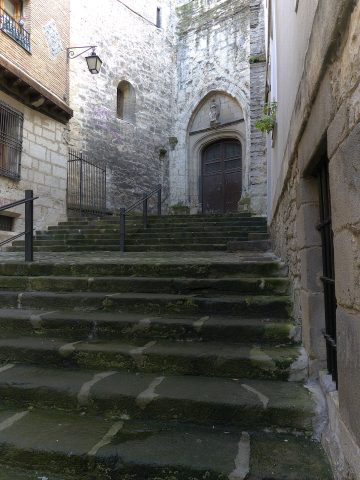
Even if you don’t catch a show, the theatre is worth visiting just to admire the building itself. Located in Vitoria-Gasteiz’s historic center, it stands among narrow streets and old houses that evoke a sense of the past. Walking by, it’s easy to imagine the scene a century and a half ago—carriages pulling up to the entrance, women in elaborate gowns hurrying to opening night, actors preparing backstage. The theatre’s presence adds to the city’s timeless charm.
Inside, the atmosphere is something special. You don’t need to be a theatre expert to feel the weight of history in the air—the creak of wooden floors, the rustle of curtains, the way light catches the gilded details. There’s a sense of being part of something enduring, something that connects the present to the past. The Principal isn’t just a building; it’s a place where reality briefly gives way to imagination, where audiences become part of a shared experience.
Today, the theatre continues to evolve alongside the city. It stages performances in both Basque and Spanish, hosts touring companies from across Spain and Europe, and supports emerging artists. The Principal isn’t just a venue—it’s an active participant in the community, offering educational programs, guided tours, and workshops. It’s a place where art isn’t just displayed but shared, making it accessible to everyone.
Vitoria-Gasteiz is a city where time feels fluid, where medieval cathedrals stand beside modern museums and winding old streets open onto grand plazas. The Principal Theatre is one of those places where past and present intersect most vividly. It serves as a reminder that culture isn’t just entertainment—it’s part of the city’s identity, its soul. And perhaps that’s why it endures, inspiring new generations of performers and audiences alike.