Vitoria-Gasteiz
Spain · 7 places
Photo: Zarateman, CC0
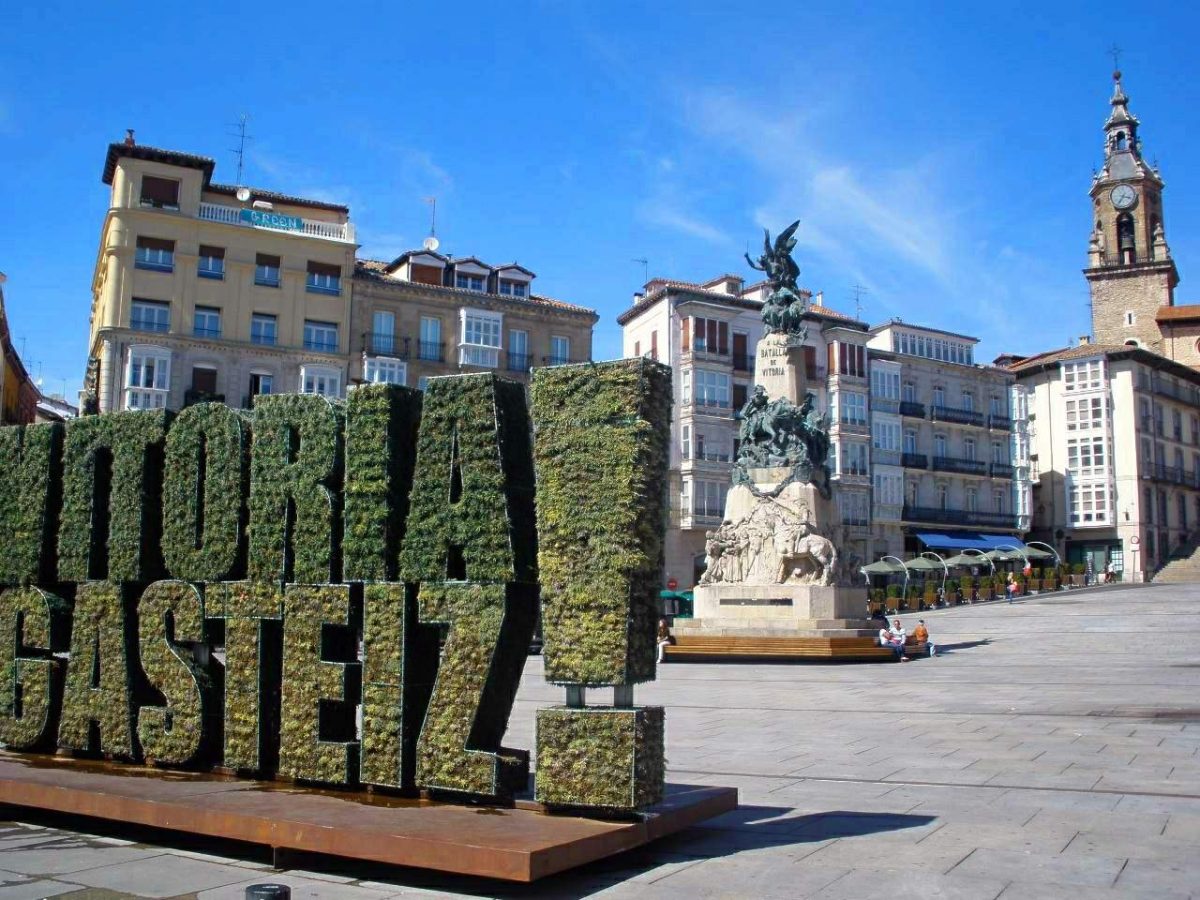
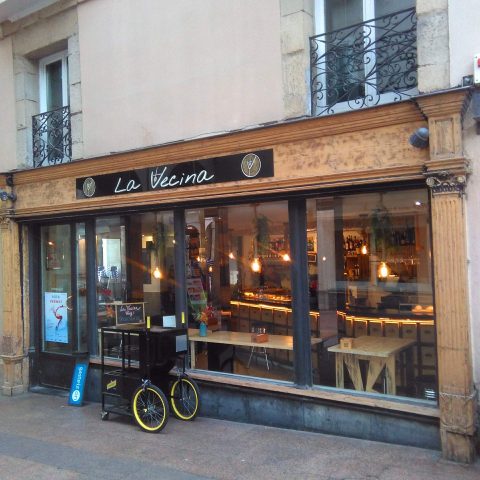
Vitoria-Gasteiz is the kind of city that doesn’t demand attention—it simply exists, comfortably settled into the landscape of northern Spain. There are no crowds of tourists, no boardwalks, no souvenir shops. Instead, there are quiet streets, small cafés serving local wine, and tapas topped with Idiazábal cheese, sharp and smoky from the nearby pastures.
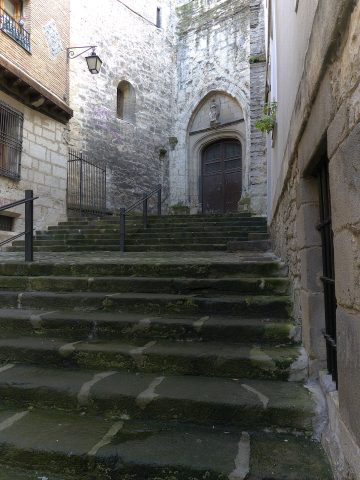
This is a place for those who prefer a slower pace of life. Every neighborhood carries history, but it never feels staged. The past lingers in the details—the worn cobblestones, the iron balconies, the way sunlight slants across stone facades in the afternoon.
The heart of the city is the medieval quarter, the Casco Viejo, where narrow streets wind toward Plaza de España.
Here, the Gothic cathedral of Santa María stands beside the Escoriaza-Esquivel Palace, once home to local nobility. The buildings are made of pale stone, their age softened by time. Locals and visitors mix in the square—some stopping for coffee, others hurrying to work or meeting friends. In the evening, the cathedral’s facade glows under warm lights, and the square fills with conversation and the clink of glasses.
Vitoria-Gasteiz is unlike most Spanish cities: it has no coastline. Instead, it has parks, wide boulevards, and a reputation as one of Europe’s greenest capitals. The city is ringed by wooded hills, and in the center, Parque de la Florida offers shade beneath centuries-old trees. In summer, the air stays cooler than in the south; in winter, a dusting of snow isn’t uncommon.
The locals value cleanliness and tranquility. Life moves at a gentler rhythm here.
In July, the jazz festival draws musicians from across Europe, filling the streets with music. In August, the medieval fair transforms the old quarter—artisans, performers, and food stalls evoke another era. The city has museums, too: Artium showcases contemporary Basque art, while the Museum of Natural Sciences has interactive exhibits for children. The food includes hearty stews with local mushrooms, tender lamb from the surrounding hills, and Rioja wine, poured generously in every bar.
The city’s location makes it a convenient base for exploring the Basque Country. Bilbao and San Sebastián are an hour away by train or car. Madrid is a three-hour journey. But many visitors come not to use it as a hub, but to experience a different kind of Spain—one where time feels more elastic, where the streets are wide enough to breathe.
Vitoria-Gasteiz doesn’t try to impress. It reveals itself slowly—the café owner remembering your order, the way the light hits the cathedral at dusk, the scent of rain on warm stone. Those who visit often return, not for grand sights, but for the simple pleasure of feeling at home.
See & Do
All of them
Places on the map
Marker colour follows the categoryClimate and weather
Detailed weather: Vitoria-Gasteiz- Average temperature
- 12 °C
- Precipitation per year
- 728 mm
- Sunshine hours per day
- 5.6 h
Average air temperature
°C
5
7
8
11
14
18
20
20
17
14
9
6
Jan
Feb
Mar
Apr
May
Jun
Jul
Aug
Sep
Oct
Nov
Dec