Plaza de España in Vitoria-Gasteiz is the kind of place where the city reveals itself slowly, without fanfare or the usual tourist trappings. There are no grand monuments here to draw crowds, no souvenir stalls or selfie sticks—just a quiet, almost intimate atmosphere that feels like the heart of the old Basque capital. The square is framed by low-rise buildings with balconies draped in ivy or bright with potted flowers, their facades softened by time. At its center, a small grove of trees offers shade, and on warm days, locals gather beneath them—some reading newspapers, others simply sitting on benches, watching the unhurried rhythm of the city unfold.
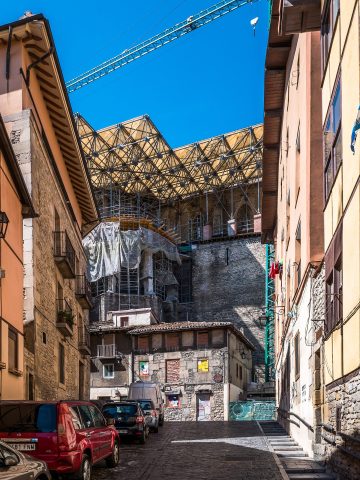
The architecture here isn’t designed to impress with scale or spectacle, and that’s precisely what makes it charming. The buildings follow the traditional style of Álava, with stone exteriors, wooden shutters, and wrought-iron window grilles that hint at the craftsmanship of another era. Some date back to the 18th and 19th centuries, when Vitoria thrived as a hub of trade and industry. The most striking among them is the former bank building, now home to municipal offices, its sturdy columns and high ceilings a reminder of the days when merchants and industrialists shaped the city’s fortunes within these walls.
The square’s history is woven into the story of Vitoria itself. In the Middle Ages, this was the site of a bustling market where grain, wine, and wool—the lifeblood of the region—changed hands. Later, as the city became the administrative center of Álava, the space evolved into a stage for official ceremonies and public celebrations. Even today, it remains a gathering place for festivals, like the feast day of Saint Priscus, the city’s patron, when the air fills with music, dance, and the scent of traditional Basque dishes.
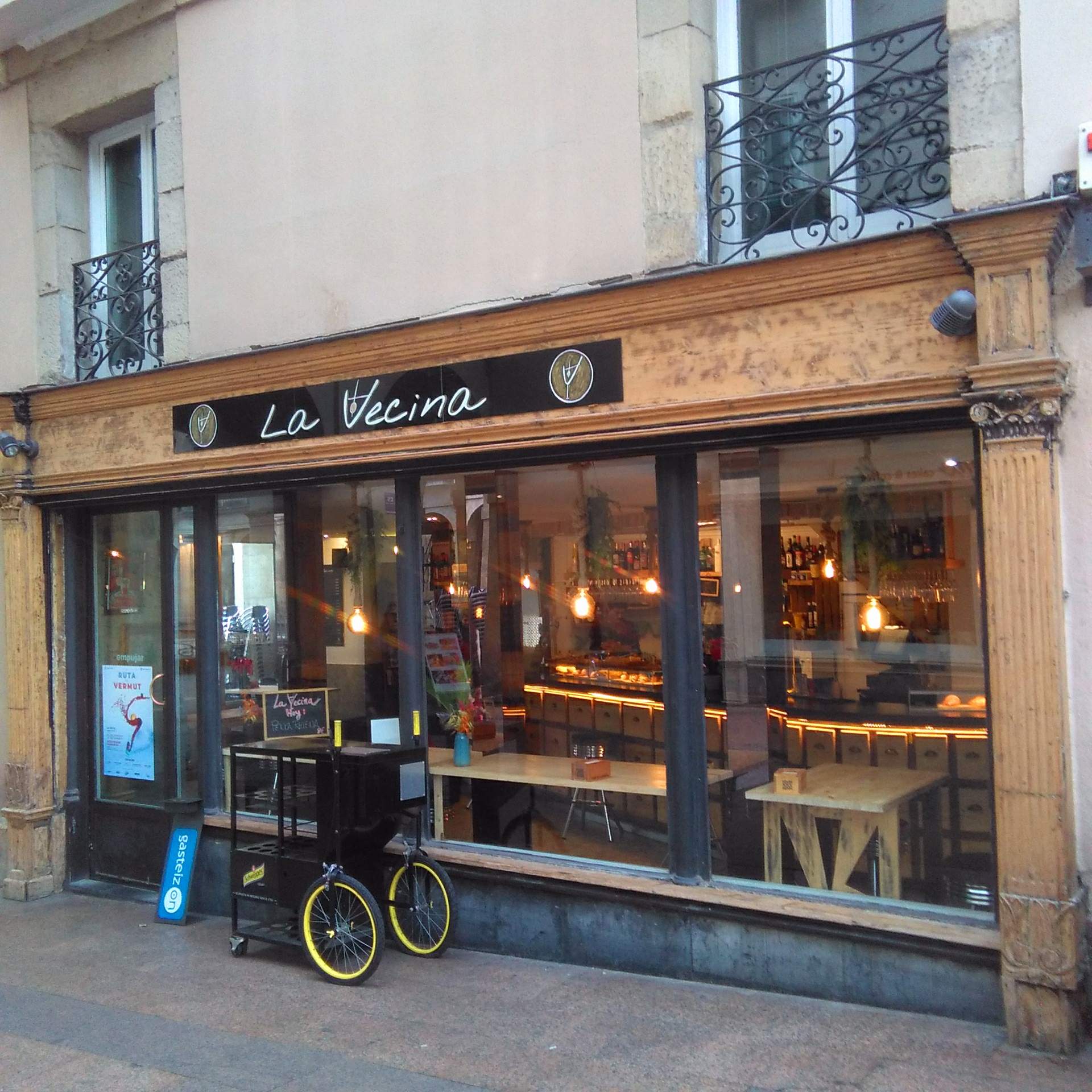
More than a tourist attraction, Plaza de España is a living part of the city’s daily life. In the mornings, cafés open their doors, serving coffee with churros or fresh *medialunas*, their aroma mingling with the cool air. By evening, the streetlamps cast a warm glow over the cobblestones, and on weekends, the square sometimes hosts small artisan fairs or impromptu concerts. The sound of a guitar drifts through the air, and for a few hours, the plaza becomes an open-air stage where the city’s unscripted moments play out.
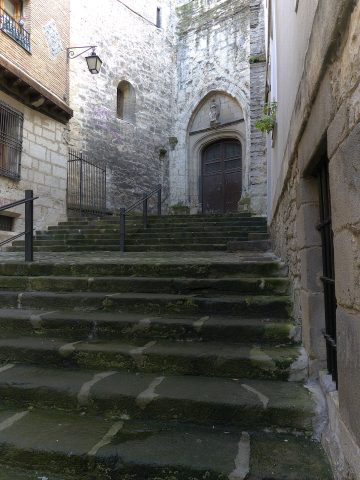
What makes the square particularly special is its location on the edge of the old town, where the past meets the more modern districts of Vitoria. From here, it’s an easy walk to other landmarks—the Gothic Cathedral of Santa María, where archaeologists still uncover layers of history, or the Parque de la Florida, one of Spain’s oldest public gardens. But many visitors find themselves lingering in the narrow streets that branch off from the square, where every turn reveals something new: a centuries-old pharmacy with a hand-painted sign, a tiny gallery showcasing local artists, or a hidden courtyard where laundry sways gently in the breeze.
Vitoria-Gasteiz doesn’t follow the script of other Spanish cities where tourism often dictates the pace. Life here moves at its own rhythm, and Plaza de España embodies that perfectly. It doesn’t try to dazzle or entertain; it simply exists, as the old trees in its grove and the stone walls of its buildings have for generations. That’s why those who stumble upon it often find themselves staying longer than planned—not because there’s something they *must* see, but because there’s something they want to feel: the quiet pulse of Basque life, unfiltered and unhurried.
In winter, the square takes on a cozy charm. Strings of lights drape the trees, and the scent of hot chocolate and churros drifts from the cafés, offering warmth against the crisp air. Summer transforms it into a meeting place—couples stroll under the plane trees, friends catch up on benches, and children play in the shade. It’s in these moments that the city’s reputation as one of Spain’s most livable places makes sense. There’s no rush here, no pressure to perform for visitors. Instead, there’s a sense of belonging, the kind that’s increasingly rare in a world that often feels too fast, too loud.
Plaza de España isn’t the kind of place you visit once and check off a list. It’s the kind of place you return to, whether to sip coffee at the same café, watch the seasons change in the square’s trees, or simply sit and listen to the sounds of the city. For those who take the time to notice, it offers something far more valuable than a postcard-worthy view—it offers a glimpse into the soul of Vitoria-Gasteiz, where history and everyday life intertwine as naturally as the ivy on its walls.