Kanazawa’s Noh theater is one of those rare places where time seems to pause, allowing the past to breathe. Tucked away in the Higashi-Chaya district, with its narrow lanes lined by wooden machiya houses and stone-paved streets, the theater feels like a quiet guardian of an art form that has endured for over six centuries. Noh is more than a performance—it’s a ritual where music, chant, movement, and masks merge to tell stories of spirits, gods, and human longing. In Kanazawa, this tradition took on a special significance, as the city flourished under the patronage of the Maeda clan, becoming a center for crafts and culture that shaped the region’s identity.
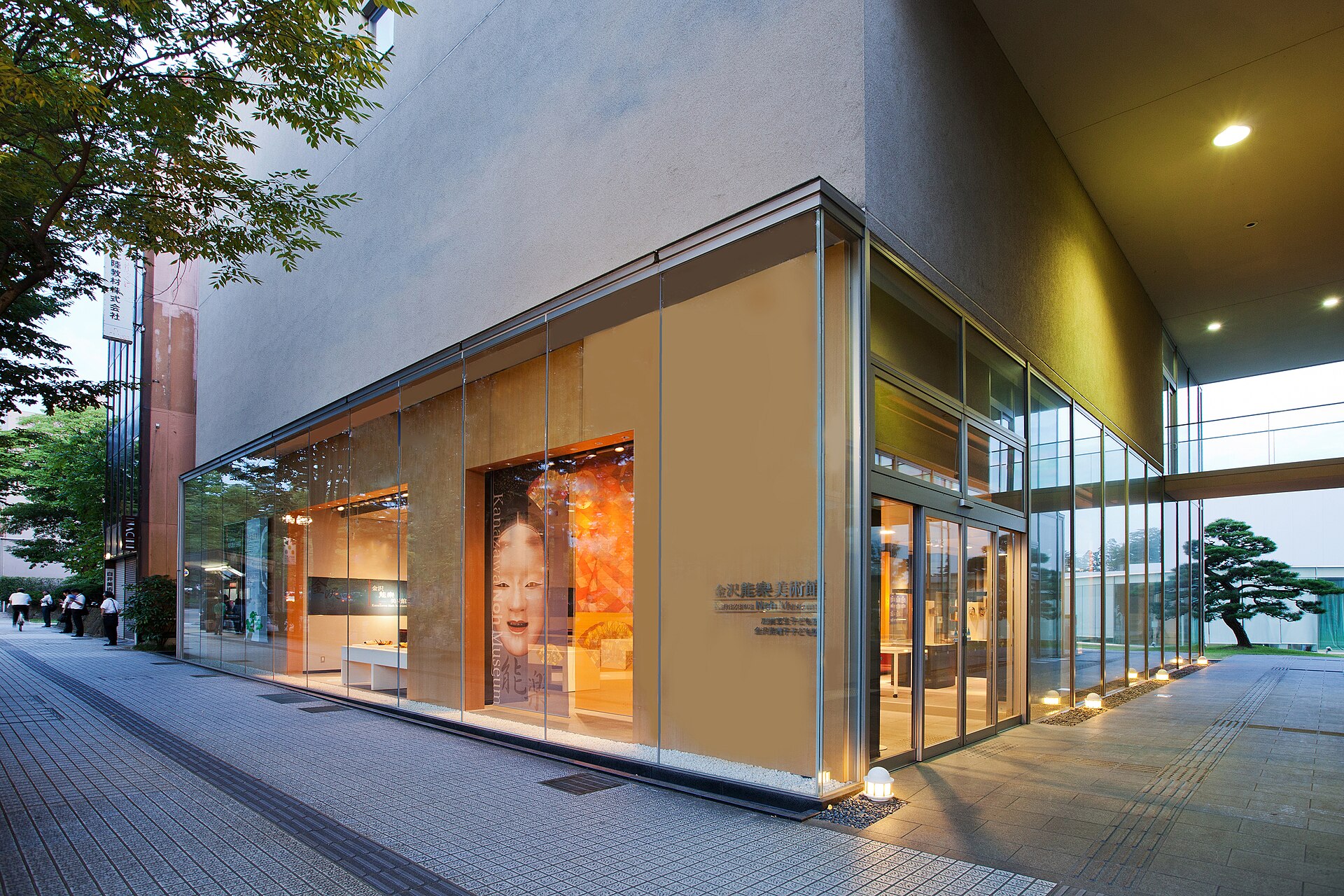
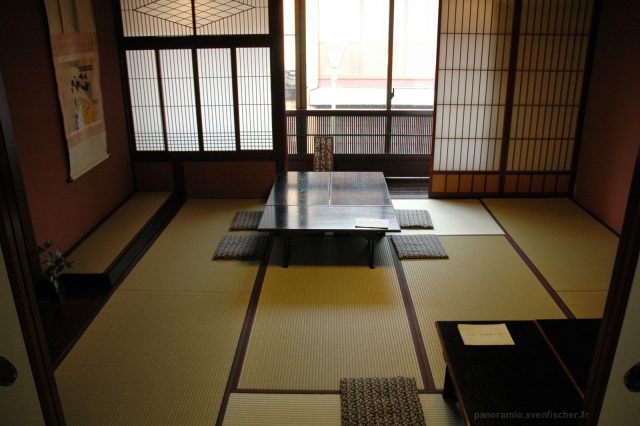
The theater itself is unassuming, blending into the surrounding architecture with its low wooden walls and modest entrance. There’s no grand facade, no attempt to impress—just an invitation to those who seek something deeper. Inside, the space follows strict traditions: a square stage framed by pillars, a tatami-matted audience area where spectators sit on the floor as they have for generations. The lighting is soft, almost dreamlike, and the acoustics carry even the faintest whisper to every corner. Everything here is designed to draw you into the performance, not just as a viewer, but as a participant in something ancient.
Noh originated in the 14th century, shaped by the playwright Kan’ami and his son Zeami, who fused folk performances with the refined aesthetics of courtly culture. Unlike the more flamboyant Kabuki, Noh is an art of restraint and symbolism. Every gesture, every step, every tilt of a mask holds meaning. The masks themselves are not mere costumes but vessels of emotion, transforming the actor into a vessel for the character’s soul. Kanazawa became a stronghold of the Kongo school, one of the five major lineages of Noh, and the city’s deep connection to the art has kept it alive through the centuries.
A Noh performance unfolds slowly, almost meditatively. There’s no rush, no dramatic climax—just a gradual immersion into the story. Actors in elaborate silk robes move with deliberate grace, their steps barely disturbing the air. A chorus seated on stage chants in a rhythmic, hypnotic cadence, while musicians play the deep pulse of drums and the haunting notes of a bamboo flute. Even without understanding the words, the emotions are palpable—grief, joy, fear, longing—all conveyed through movement and sound.
What makes Kanazawa’s Noh theater special is that it’s not a relic. It’s a living tradition, with regular performances, workshops, and lectures where visitors can not only watch but try their hand at the art. For many Japanese, Noh is a way to connect with their heritage, a language of the soul passed down through generations. For outsiders, it’s a window into something entirely foreign, a world where time moves differently.
Kanazawa itself feels like a place out of another era. Unlike Tokyo’s frenetic energy or Kyoto’s tourist crowds, it retains the quiet charm of old Japan. The Higashi-Chaya district, with its teahouses and moss-covered gardens, is the perfect setting for Noh. After a performance, you might wander the lanes, stopping at a small shop for traditional sweets or sipping matcha in a centuries-old teahouse. The city breathes history, and the theater is just one thread in its rich tapestry.
If you find yourself in Kanazawa, take your time. Let the sound of the flute from the theater linger in the air, and allow yourself to step into a world where time follows its own rhythm. There’s a quiet magic here, something intangible yet deeply felt—a tradition that refuses to fade, even as the world around it changes.