Higashi Chaya District in Kanazawa feels like a place where time has settled into a slower rhythm. The narrow stone-paved streets wind between two-story wooden houses, their lattice windows glowing softly in the evening light. There’s no rush here, no towering modern buildings or crowds of tourists. Instead, the quiet is broken only by the occasional clack of wooden geta sandals on the cobblestones or the murmur of conversation from a nearby teahouse.
This district was once the heart of Kanazawa’s tea culture. During the Edo period, when the city thrived under the rule of the Maeda clan, merchants and artisans gathered here to serve the needs of the samurai elite. Teahouses, or *chaya*, were more than just places to relax—they functioned as social hubs where deals were struck, politics discussed, and alliances formed. Many of these buildings still stand today, their architecture largely unchanged, offering a glimpse into the past.
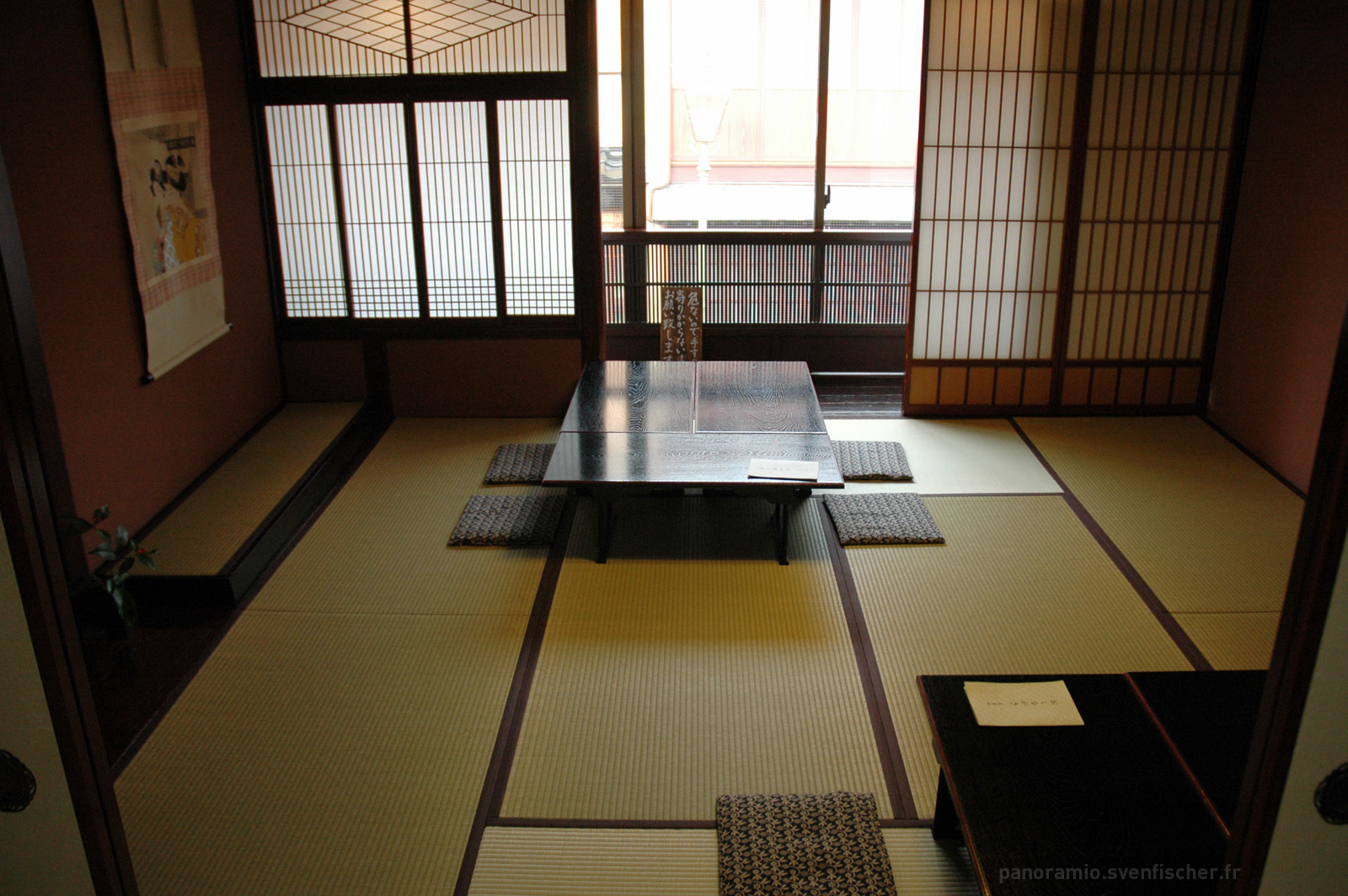
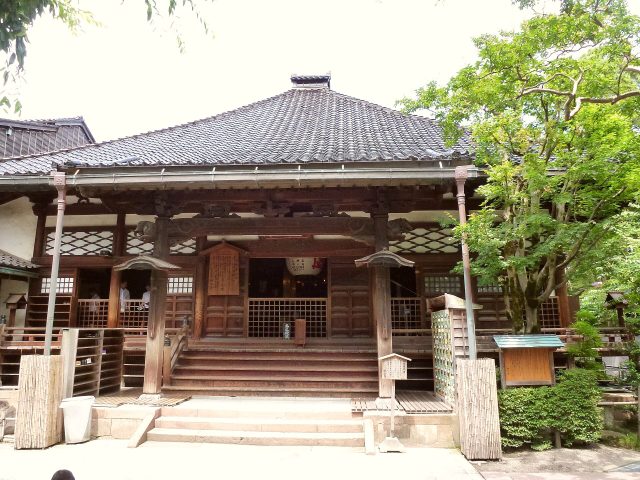
The design of the houses reflects both practicality and craftsmanship. Thick wooden beams, low ceilings, and sliding *shoji* screens weren’t just decorative—they were part of a system built to keep interiors cool in summer and warm in winter. The facades often feature intricate wooden carvings or wrought-iron grilles, serving both as privacy screens and as subtle displays of the owner’s status. Every detail, from the paper lanterns to the tiled roofs, was carefully considered.
Higashi Chaya isn’t a museum—it’s a living neighborhood. Small workshops still produce traditional *wagashi* sweets, hand-painted ceramics, and silk textiles. Some houses have been converted into galleries showcasing local artists, while others now host quiet cafés where visitors can sip matcha with a piece of *mochi*. In the evenings, the district comes alive in its own understated way: lanterns flicker, laughter drifts from open windows, and people stroll without hurry, as if savoring the moment.
One of the district’s most notable landmarks is the Shima Teahouse, built in the mid-18th century. Unlike many historic buildings that have been restored to a polished sheen, Shima retains its original character—the darkened wooden floors, the aged scrolls on the walls, the sense of time worn into every surface. It’s still an active teahouse, where visitors can observe or even participate in a traditional tea ceremony, stepping into a ritual that has remained largely unchanged for centuries.
Walking through Higashi Chaya feels like stepping into history that hasn’t been frozen in time. The past and present coexist naturally here—old wooden houses stand beside modern cafés, and traditional crafts blend with contemporary influences. The district doesn’t try to preserve the past in a sterile way; instead, it allows it to evolve organically, creating a place that feels both timeless and alive.
The district is especially atmospheric in the rain. Water drips from the tiled roofs, pooling on the stone streets, while the glow of lanterns reflects in the wet surfaces, scattering into countless shimmering fragments. The damp air and soft light give the neighborhood an almost dreamlike quality, as if it has materialized from an old woodblock print. It’s no wonder photographers often seek out these moments, drawn to the quiet melancholy of the scene.
Despite its popularity with visitors, Higashi Chaya hasn’t lost its authenticity. There are no loud souvenir shops or flashy attractions—just quiet streets where you can wander, stumble upon a hidden workshop, or sit by the canal watching the neighborhood go about its day. This isn’t a place for those in a hurry; it’s for those who appreciate depth over distraction, stillness over spectacle.
Higashi Chaya isn’t just a district in Kanazawa—it’s a reminder of how the past can be preserved without being cut off from the present. There’s no pretense here, no forced nostalgia. The authenticity is in the details: the worn stones underfoot, the creak of a wooden door, the taste of tea brewed the old way. It’s a place where history isn’t something that happened long ago—it’s something that’s still happening, right beside you.