Kenrokuen is one of Japan’s most celebrated gardens, a place where nature and human intention merge so seamlessly that it feels less like a designed landscape and more like a living poem. Its origins trace back to the 17th century, when the Maeda clan, the powerful rulers of the region, envisioned a garden that would reflect their wealth, taste, and philosophical ideals. The name itself—Kenrokuen, or "Garden of the Six Attributes"—refers to the six qualities that ancient Chinese scholars believed made a garden perfect: spaciousness, seclusion, artifice, antiquity, flowing water, and sweeping views. Yet here, those principles aren’t rigid rules but something far more organic, woven into the fabric of the land in a way that shifts with the seasons.
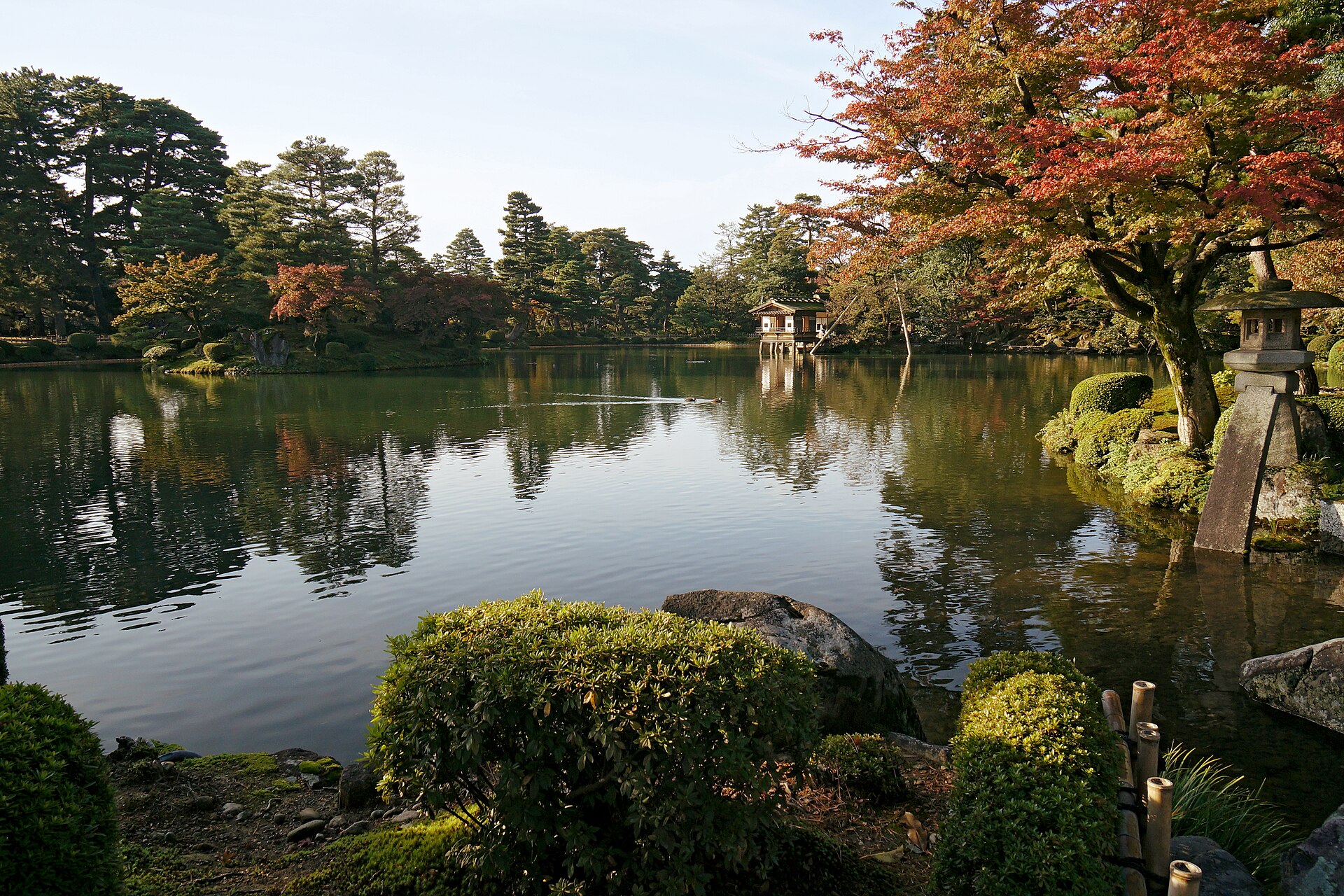
Spanning over twenty-five acres, the garden is too vast to take in all at once. Every path leads somewhere new—a carp-filled pond, a moss-covered hill, a stone bridge half-hidden by foliage, or a teahouse tucked beneath the pines. One of its most iconic features is Kasumigaike Pond, where the Kotoji-toro lantern stands on a small island, its twin pillars resembling the bridge of a koto, the traditional Japanese stringed instrument. At dusk, when the lanterns flicker to life, the scene takes on a quiet magic. In summer, irises bloom along the water’s edge; in autumn, maple leaves blaze crimson; and in winter, snow drapes the pines, their branches propped up by wooden supports called yukimi-daruma to keep them from breaking under the weight.
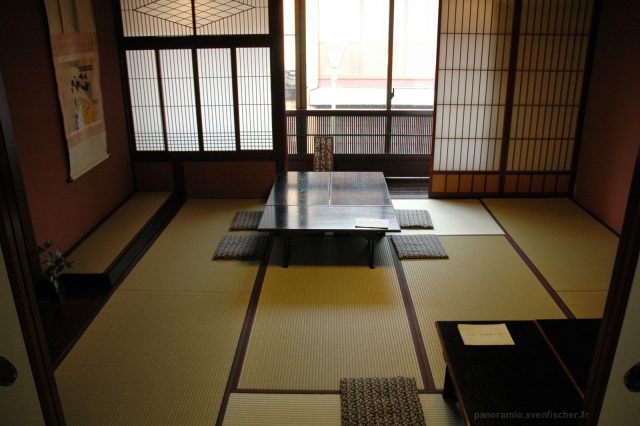
The architecture here is as thoughtful as the landscape. Scattered throughout the garden are teahouses built in the sukiya-zukuri style, which values simplicity and harmony with nature. One of the most famous is Yugao-tei, named after a character in *The Tale of Genji*. Its rough-hewn wooden walls, thatched roof, and sliding doors give it an air of impermanence, as if it has always been part of the garden rather than something built. Inside, tea ceremonies are sometimes held, and if you’re lucky, you might witness a master preparing matcha with deliberate, graceful movements.
Kenrokuen as we know it today exists thanks to the dedication of generations of gardeners. After the Maeda clan lost power in the 19th century, the garden fell into disrepair, but local efforts restored it to its former glory. Now, caretakers tend to every tree, stone, and stream, ensuring the garden retains its essence without becoming a static relic. It’s still very much alive, evolving with the seasons and offering something different to each visitor.
The garden’s beauty changes dramatically throughout the year. In spring, cherry blossoms drift like pink mist through the air. Summer brings relief from the heat along shaded paths and cool streams, while autumn sets the maples ablaze. Winter transforms the landscape into a serene, snow-dusted scene, with lanterns casting soft light on the white paths. Locals visit year-round, whether for quiet walks, meditation, or simply to escape the noise of the city.
Kenrokuen is deeply tied to Kanazawa’s identity. Often called "Little Kyoto," the city has long been a center of culture and craftsmanship, and the garden is its most famous landmark. It’s a place where you can feel the spirit of the Edo period, when Kanazawa was one of Japan’s wealthiest and most influential cities. The Maeda rulers were patrons of the arts, and their legacy lingers in every corner of the garden, from the carefully placed stones to the teahouses that seem to grow naturally from the earth.
A visit to Kenrokuen isn’t just a stroll—it’s a slow unraveling of time. There’s no rush here, no clamor, just the rustle of leaves, the murmur of water, and the whisper of wind through the trees. You could spend hours wandering the winding paths, sitting by the pond, or watching how light and shadow play across the branches. The garden doesn’t demand anything of you; it simply offers space to breathe, to notice, to be present.
What makes Kenrokuen special is its quiet insistence on being discovered rather than announced. It doesn’t shout its beauty; it invites you to look closer, to find something new each time. That’s why it resonates with both locals and travelers—there’s nothing extraneous, nothing forced. Every element feels intentional, yet the garden never feels like a museum piece. It’s alive, shifting, breathing, just like the world around it. And perhaps that’s the truest kind of perfection.