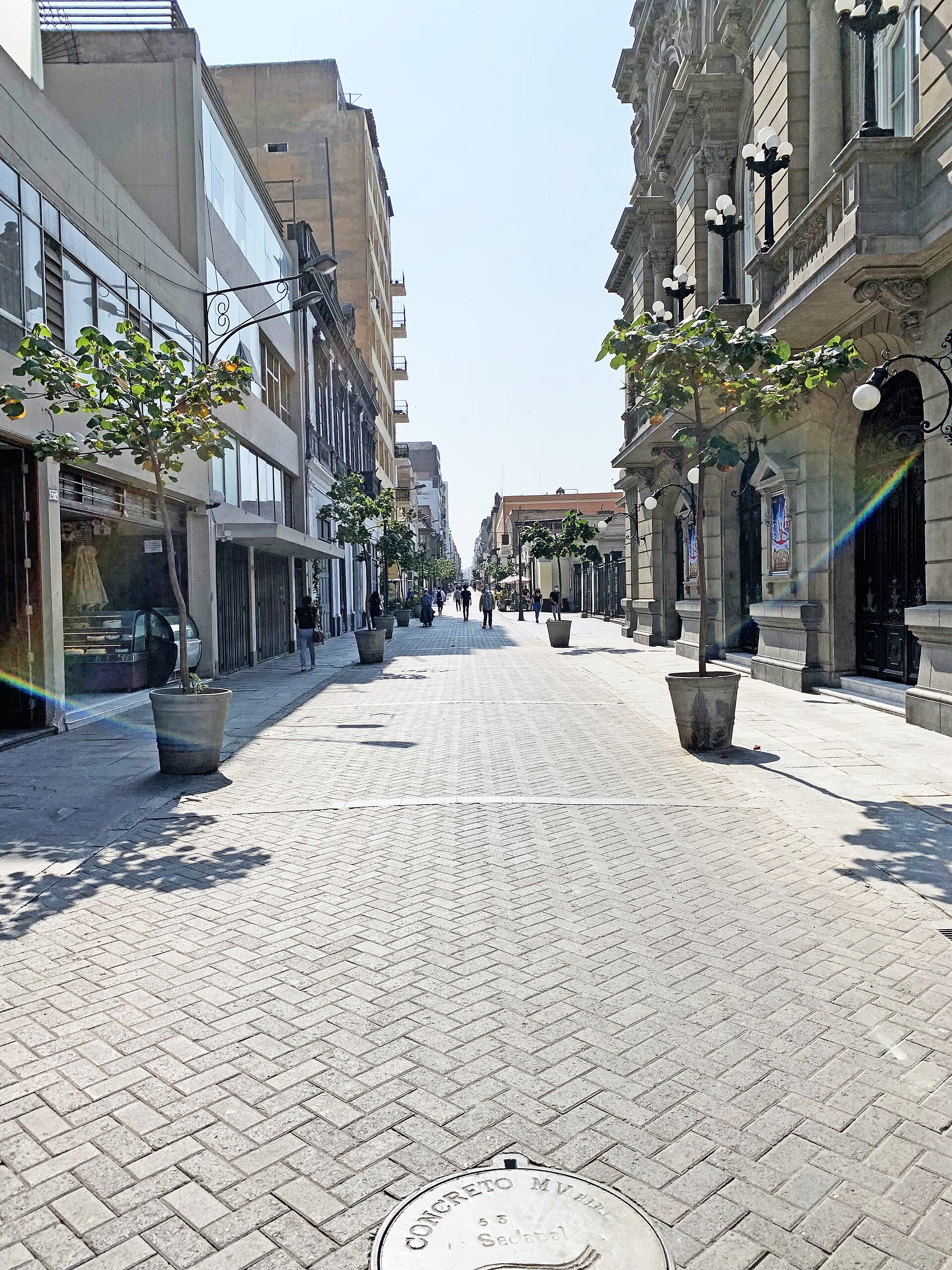
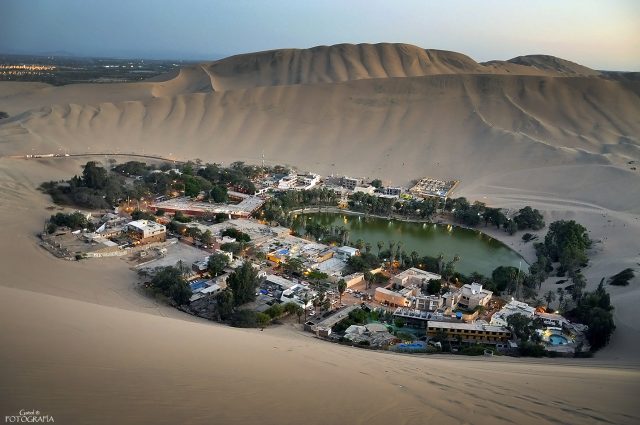
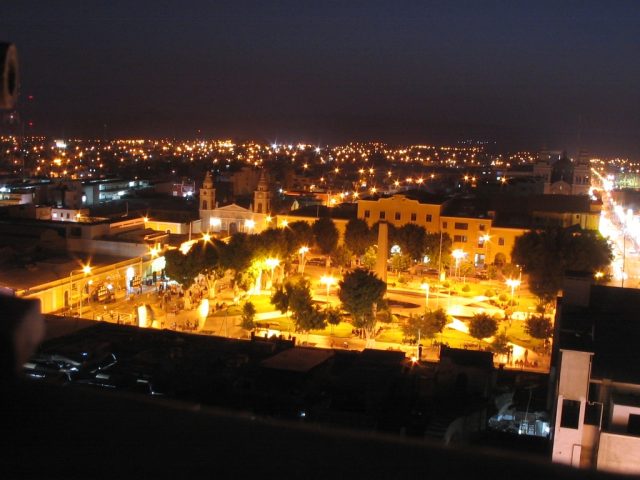
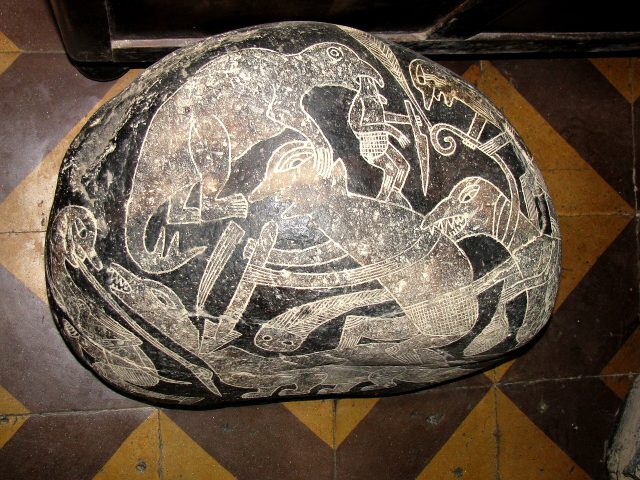
The Municipal Theatre in Ica is one of those quiet places that doesn’t demand attention but lingers in your memory long after you’ve left. This city, better known for its deserts and the enigmatic Nazca Lines, isn’t the first place that comes to mind when you think of culture. Yet here, in the heart of Ica, this unassuming theatre stands as a reminder that the city has its own stories, traditions, and a deep appreciation for the arts. It sits on one of the town’s busier streets, where life moves at an unhurried pace—people pause to chat, sip coffee at nearby cafés, or simply watch the world go by.
From the outside, the theatre is modest but dignified. Its classical façade isn’t grand or ostentatious, but there’s a solid, welcoming quality to it. White walls, tall windows, and a small balcony above the entrance give the building a sense of timelessness, as if it were built not to impress, but to endure. And endure it has. For decades, the Municipal Theatre has been a gathering place for locals—whether to catch a play, enjoy live music, or spend an evening in the company of like-minded people.
The theatre’s history is woven into Ica’s own cultural evolution. Founded during the colonial era, the city has long been an important commercial and administrative hub, but its cultural life truly flourished in the mid-20th century. That was when theatre troupes and musical groups began to take root, and the local intelligentsia pushed for a permanent space where art could thrive. The theatre opened in the 1950s and quickly became a cornerstone of the city’s identity, a place where creativity could take center stage.
Inside, the theatre feels like a step back in time. The auditorium is small but intimate, with wooden seats, soft lighting from vintage chandeliers, and a stage framed by heavy velvet curtains. There are no flashy special effects or blockbuster premieres here—just the quiet magic of live performance. Local actors take the stage, classical and folk melodies fill the air, and plays by Peruvian playwrights are brought to life. Occasionally, touring performers from Lima or other cities stop by, but more often than not, the theatre remains a stage for Ica’s own artists, a place where the community’s cultural heartbeat is strongest.
Music holds a special place in the theatre’s repertoire. Peruvian sounds—from the lively rhythms of Afro-Peruvian music to the haunting melodies of Andean flutes—resonate deeply here. Local musicians often perform, showcasing traditional instruments like the cajón and charango, creating an atmosphere that’s unmistakably Peruvian. For many in Ica, the theatre isn’t just a venue for entertainment; it’s a connection to their roots, a space where they can celebrate what binds them together.
Beyond performances, the Municipal Theatre serves as a cultural hub. Lectures, exhibitions, and literary events are held here, along with workshops for young people—acting, dance, and music classes that have inspired many local teens to explore their creative potential. For some, these experiences become the first step toward a career in the arts, while for others, they’re simply a way to engage with their community.
The theatre hasn’t always had an easy journey. There have been times when the building fell into disrepair, when funding was scarce, and when it seemed like Ica’s cultural scene might fade away. But each time, dedicated locals—whether officials, artists, or simply passionate residents—stepped in to keep it alive. Their efforts ensured that the theatre remained a place where art could flourish, even in difficult times. Today, it stands as a testament to resilience, still welcoming anyone who wants to escape the hustle of daily life for a few hours.
Visiting the Municipal Theatre is less about ticking off a tourist attraction and more about experiencing the real Ica. There’s no touristy glitz or forced hospitality here—just authenticity, warmth, and a sense of belonging. You might be lucky enough to stumble upon a local ensemble rehearsing, or you might simply sit in the auditorium, listening to the hum of the city outside while the theatre’s quiet anticipation fills the air. Either way, the Municipal Theatre leaves an impression—not loud or flashy, but deeply personal. It’s a place where the past and present coexist, where art isn’t just performed but lived.