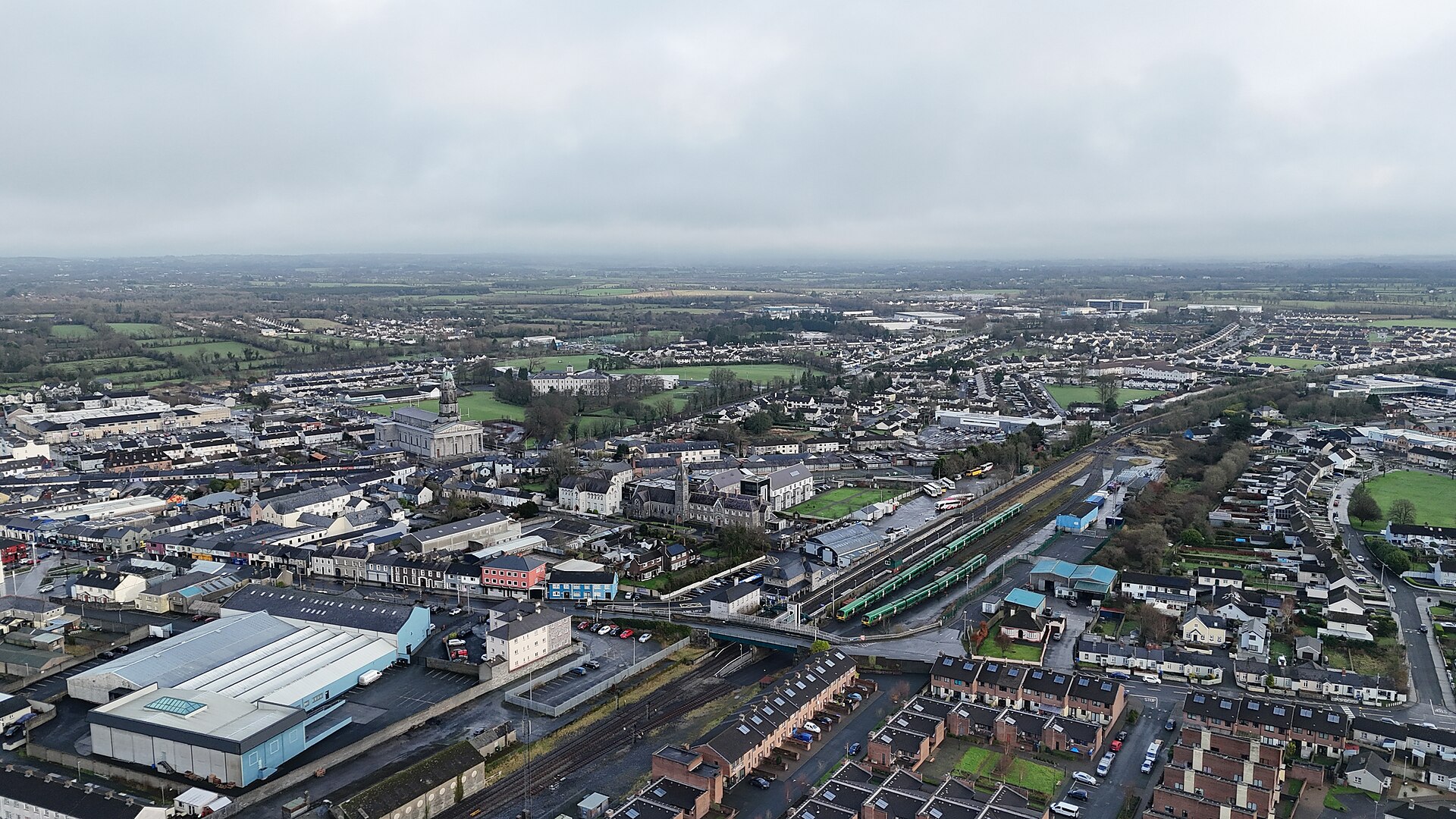
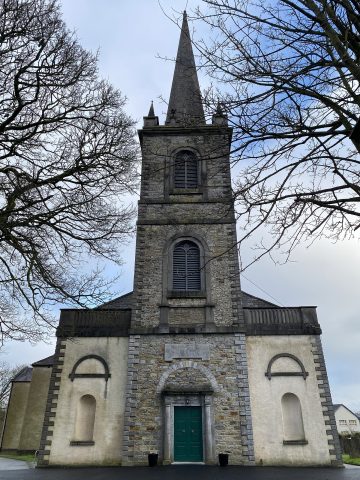
Longford’s theatre, known locally as the Longford Sligo, is one of those quiet places where the past and present blend without fuss. Tucked away on a side street in the town centre, it doesn’t demand attention with grand facades or flashy signs. Instead, it sits modestly, its understated classical design carrying the unmistakable warmth of old Irish buildings. There’s no pretence here—just the easy comfort of a place that feels like it’s always belonged, as much a part of the town’s rhythm as the local pub or the weekly market.
The theatre’s story began in the mid-20th century, when Ireland’s smaller towns were building their own cultural spaces. Longford, though not a major hub, had always had a soft spot for music and drama. In the post-war years, touring companies from Dublin and beyond would stop here, performing for audiences who, though small, were fiercely loyal. The theatre became more than just a venue—it was a gathering point, a place where people could step out of their daily lives and into something shared. It wasn’t about keeping up with Dublin’s trends; it was about what mattered to the people who lived here.
Inside, the theatre is simple but well-made. The auditorium is compact, with wooden seats that have held generations of spectators. The stage isn’t large, but that’s part of its charm. Performers and audience are close enough to see the flicker of emotion in an actor’s eyes or the way a musician’s fingers move over strings. The lighting, the acoustics, even the faint scent of aged wood—everything works together to create an atmosphere where the outside world fades away. The foyer still holds old photographs and playbills, small reminders of past performances and the faces that once filled the seats.
These days, the Longford Sligo remains a lively part of the town’s cultural life. It hosts more than just plays—concerts, literary readings, festivals showcasing local talent. The programme is varied, from classic Irish dramas to contemporary works that push boundaries. Music plays a big role, too, with everything from traditional tunes to jazz and folk. The theatre isn’t just for professionals; it’s a space where students, amateurs, and local musicians can take the stage. Here, culture isn’t preserved like a museum piece—it’s alive, changing, and deeply connected to the community.
For Longford, this theatre is more than a building. It’s woven into the town’s identity, a place where people celebrate, gather, and come together. On festival days or opening nights, the whole town seems to buzz with energy. Cafés fill up, streets grow livelier, and there’s a sense that something special is about to happen. Even those who don’t often go to the theatre know it’s there, ready to welcome anyone—whether a local or a traveller passing through.
What makes the Longford Sligo special isn’t grand productions or star-studded casts. It’s the feeling you get when you walk in—the sense that this is a place where people connect. The audience isn’t just watching; they’re part of the experience, whether it’s a heartfelt play or a rowdy concert. Performers often say there’s something different about playing here. The crowd is engaged, the room hums with energy, and after the show, there’s always time for a chat over tea or a pint in a nearby pub.
In a time when entertainment is increasingly digital, places like this theatre matter more than ever. They keep culture tangible, rooted in real conversations and shared experiences. There’s no rush here, no need to chase trends—just art that feels honest and people who care about it. That’s why the Longford Sligo continues to thrive, not just as a venue but as a vital part of the town and the wider region.
If you ever find yourself in this part of Ireland, it’s worth stopping by—not just for a show, but to soak in the atmosphere. You might catch a rehearsal, hear someone humming a tune from the night’s concert, or simply sit in the foyer, flipping through old photographs and imagining the stories behind them. The Longford Sligo isn’t the kind of place that leaves you indifferent. It’s real, in the best sense of the word.