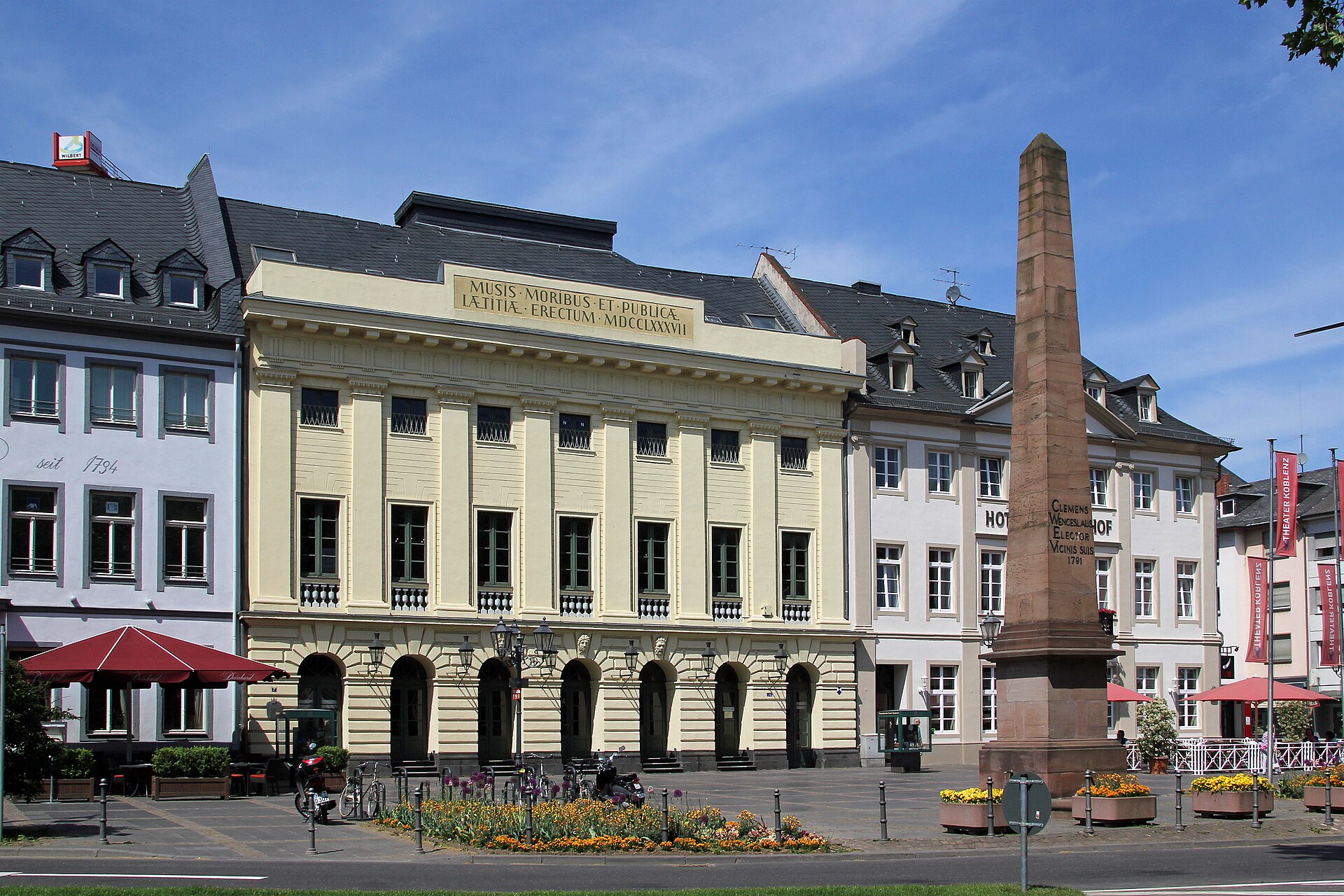
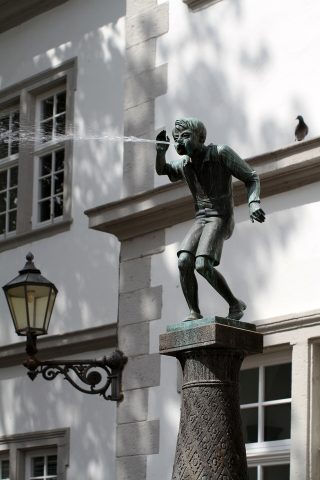
Koblenz Theatre is one of those places that quietly becomes woven into the fabric of a city, even if it doesn’t always draw the attention of visitors. Tucked along the Rhine, it fits naturally into Koblenz’s architectural landscape, where medieval streets blend with neoclassical facades. The building itself doesn’t demand notice at first glance, but its history and role in the region’s cultural life make it worth a closer look.
The theatre’s current home dates to the mid-20th century, though its roots stretch back further. The first permanent theatre in Koblenz opened in the 19th century, when the city was a key cultural hub of the Rhineland. Back then, it hosted classical plays, operas, and operettas, drawing audiences from nearby towns. Like much of the city, it suffered during World War II, and in 1952, it reopened after extensive rebuilding. The new structure retained the spirit of the old while embracing a more modern sensibility.
The architecture strikes a balance between restraint and elegance. The facade reflects the post-war German preference for functionality over ornamentation, but inside, the space is designed to feel intimate. The auditorium isn’t vast, allowing the audience to feel connected to the performance rather than distant from it. The interiors are understated yet thoughtful—from the subtle plasterwork on the ceilings to the comfortable seating in the stalls.
Beyond performances, Koblenz Theatre serves as a venue for a variety of cultural events. Alongside classical and contemporary productions, it hosts concerts, festivals, and literary evenings. Local artists and writers often take center stage, reinforcing the theatre’s role in shaping the region’s cultural identity. In the summer, open-air performances sometimes spill onto the square in front of the building, turning the city itself into a stage for a night.
For Koblenz, the theatre is more than entertainment—it’s part of everyday life. Locals come for more than just premieres; they attend traditional New Year’s shows, children’s matinees, and chamber concerts. The audience spans generations and backgrounds, from students to retirees to families. That’s perhaps its greatest strength: it doesn’t aim to be exclusive but instead remains a place where people come for connection, emotion, and shared experiences.
Koblenz is a small city, and the theatre plays an outsized role in its cultural life. Unlike in larger cities, where venues compete for attention, here it stands as one of the few places where live performances happen regularly. That makes it more than just a building—it’s a gathering point for those who appreciate art in its most direct form. Even if you’re not a fan of opera or drama, the atmosphere can draw you in, whether it’s the quiet hush of the auditorium or the lively conversations in the foyer afterward.
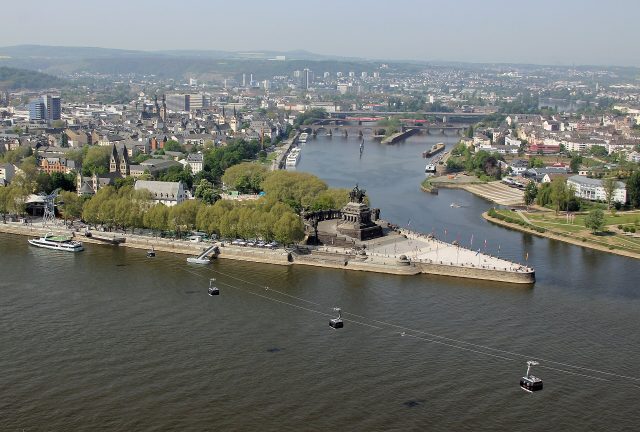
The Rhine has always shaped Koblenz, and the theatre feels like a natural extension of that influence. The river carries stories, and the theatre does the same—through music, plays, and the lives of those who pass through its doors. In that way, it’s inseparable from the city’s rhythm. It doesn’t need to be flashy; it simply exists as part of something larger, and that’s where its quiet power lies.
If you find yourself in Koblenz, the theatre is worth a visit—not just for a show, but to get a sense of the city’s pulse. You might not become a regular, but a single evening there could leave an impression that lingers. After all, places like this aren’t meant to be remembered forever. They’re here to remind us that art isn’t just about grand masterpieces—it’s about the emotions that unfold in the moment, right in front of us.