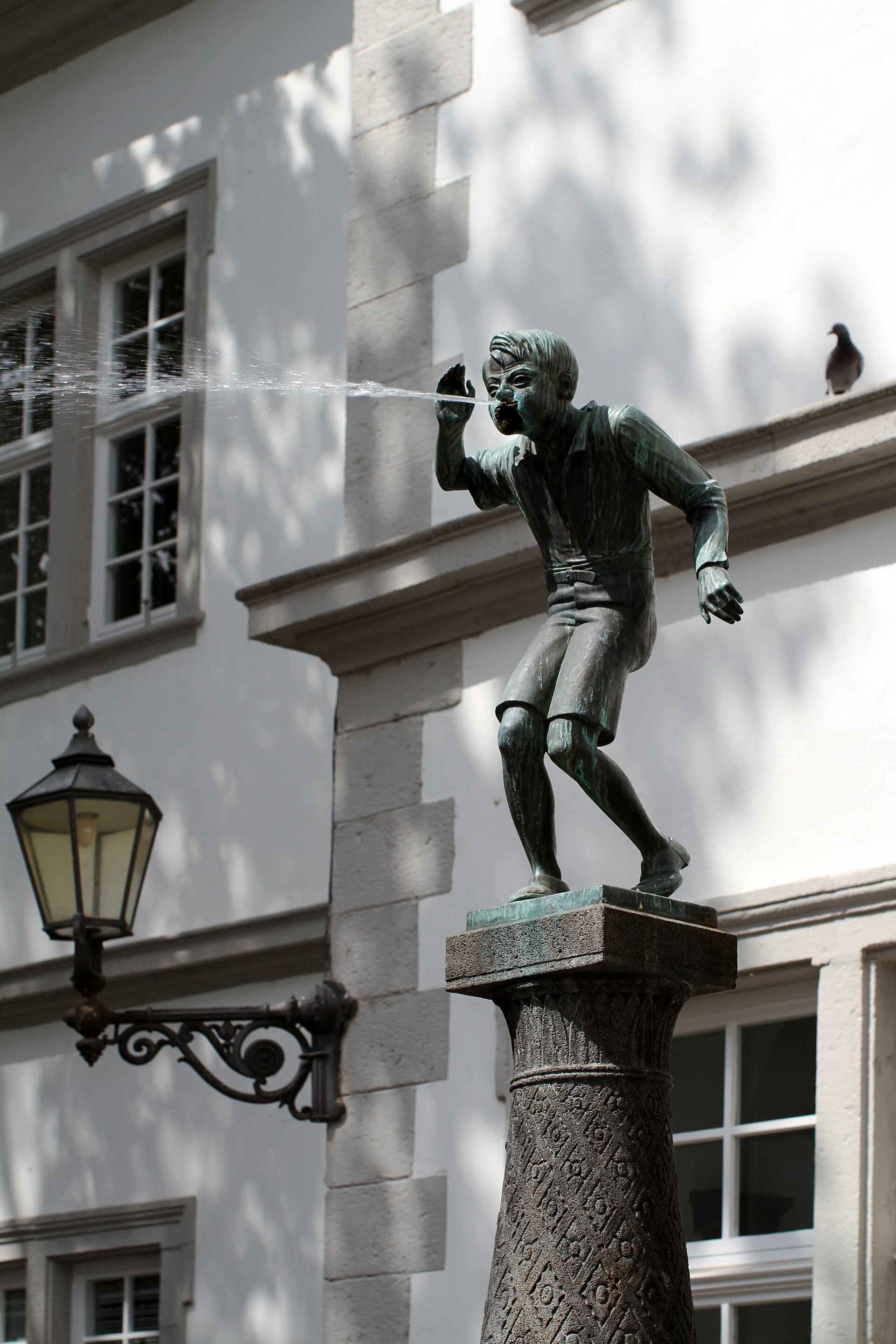
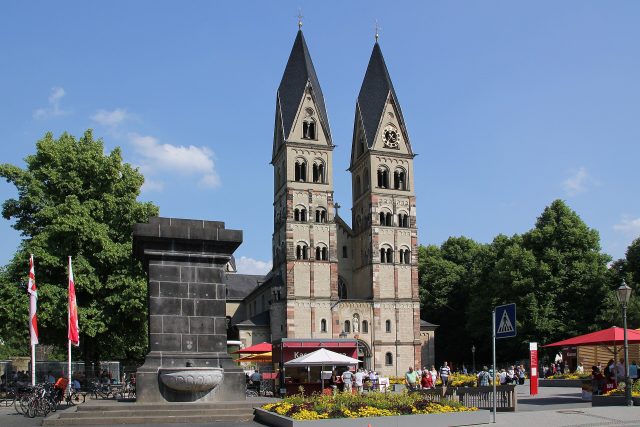
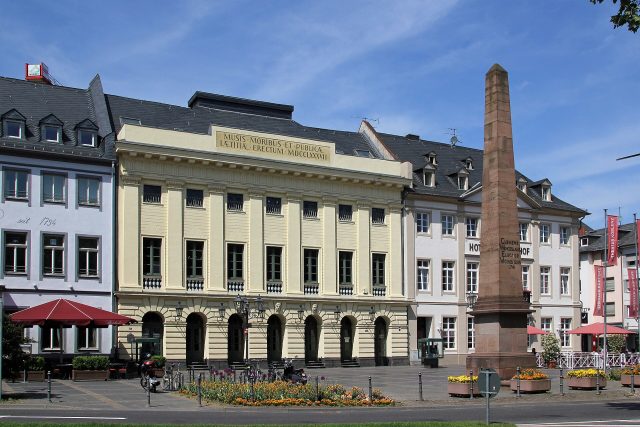
Koblenz Town Hall is one of those places that doesn’t immediately demand attention, but once you take a closer look, the city begins to reveal itself in unexpected ways. Tucked away in the heart of the old town on Jesuitenplatz, the building stands where medieval merchants and craftsmen once bustled through their daily lives. Today, the square remains just as lively—tourists snap photos of the façade, locals hurry past on their way to work, and in the evenings, the air fills with the murmur of people lingering over coffee or a glass of wine at the outdoor cafés. Yet the town hall is more than just an attractive landmark. It holds within its walls the layered history of a city that has long been a crossroads of the Rhine region.
The building we see today wasn’t always this grand. The first records of a town hall in Koblenz date back to the 13th century, though it was then a modest wooden structure, more akin to a wealthy merchant’s home than a seat of government. As the city grew in importance, so did its administrative center. Over the centuries, the town hall was expanded and refined, gaining new halls, towers, and decorative flourishes. Its current appearance took shape in the 18th century, by which time Koblenz had become part of the Electorate of Trier and later fell under French rule during the Napoleonic era. The architecture reflects this evolution—a blend of styles where Gothic elements meet Baroque, and austere lines give way to delicate stucco work. The most striking feature is the portal above the main entrance, adorned with the city’s coat of arms: a double-headed eagle symbolizing the Holy Roman Empire, and keys representing the Electorate of Trier.
Inside, the town hall retains many of its historical details, though most of the space now serves the city’s administrative needs. The main council chamber, for instance, is still decorated with antique tapestries and intricately carved wooden furniture, a reminder of the days when decisions made here shaped not just the city but entire regions. In the Middle Ages, Koblenz was a vital hub for trade and military strategy, and the town hall was where deals were struck, justice was dispensed, and laws were enacted. The chamber is open to visitors, but only when official business isn’t being conducted. Walking through its corridors feels like stepping into the past—the creak of floorboards, the high ceilings, and the scent of aged wood all contribute to the sense that time here has stood still.
One of the most intriguing parts of the town hall is its cellar. Once home to the city’s prison, it later became a storage space for wine. The Rhine region has long been renowned for its vintages, and Koblenz was no exception. The cellars held not only the city’s wine reserves but also gifts presented to rulers and dignitaries. Today, the underground chambers host exhibitions and cultural events, though the atmosphere of mystery and antiquity lingers. If you’re lucky, you might join a guided tour that delves into the lives of former prisoners, the wines favored by local officials, and why the cellars were considered one of the most secure places in the city.
From the outside, the town hall is imposing without being overwhelming. Its façade, though adorned with stucco and statues, isn’t overly ornate—a characteristic of German architecture from that period, where restraint and functionality coexist with touches of grandeur to signify the building’s status. Above the main entrance rises a clock tower, not as tall as some found in other German town halls but still a prominent feature. The clock itself isn’t merely decorative; for centuries, it has marked time for the city’s residents, and on quiet evenings, its chimes can still be heard echoing across the square.
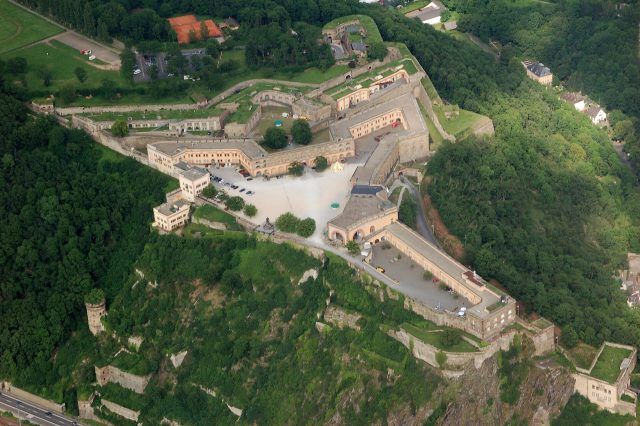
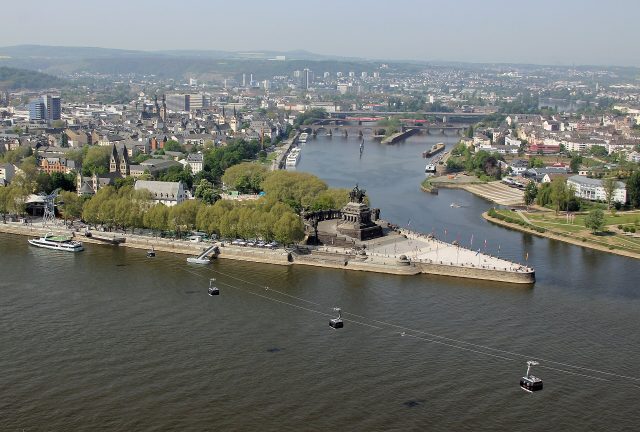
Koblenz often lives in the shadow of its more famous neighbors—Cologne, Frankfurt, Mainz—but it’s here, at the confluence of the Moselle and Rhine rivers, that history feels particularly vivid. The town hall isn’t just a building; it’s a symbol of how a small city managed to remain a key player in European politics for centuries. Kings and emperors were received within its walls, the outcomes of wars and peace treaties were debated here, and the pulse of the Rhineland beat strongly in its halls. Today, the town hall continues to serve its purpose, though now it also welcomes those who simply want to connect with the past.
Visiting the town hall isn’t just about its history, though. Jesuitenplatz itself is one of the most pleasant spots in Koblenz. In the summer, outdoor cafés spill onto the square, offering a chance to sip coffee or local wine while watching the city go by. In winter, the square transforms—Christmas markets spring up, and the town hall becomes a backdrop for festive lights and holiday cheer. Even if you don’t step inside, just sitting on a bench near its walls offers a glimpse into why Koblenz holds such a special place in the hearts of its residents.
The town hall isn’t a museum in the traditional sense. There are no glass cases or audio guides narrating pre-written stories. That’s what makes it special. It’s a living place where history isn’t preserved in amber but continues to exist alongside the present. Walking through its halls, you can almost hear the echoes of council meetings, the speeches of orators, and the decisions that once altered lives. While it now primarily serves as an administrative building, the town hall still carries the spirit of old Koblenz—the city that stood at the crossroads of roads and destinies.